
Yo-Yos for Everyday Play: A Grounded Buying Guide

Some mornings are quiet here in Texas, the kind where the coffee cools a little before I remember to drink it. On days like that, simple things feel right—paperbacks, a slow walk, or a small object that asks for patience. That’s usually when I notice a yo-yo on the shelf and remember why these little toys keep finding their way back into our lives.
Product overview
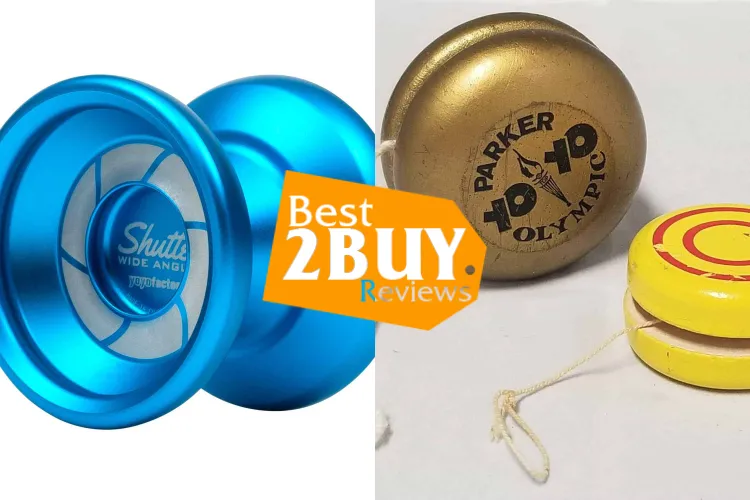
Yo-yos are hand-held skill toys designed to spin, return, and repeat. At their simplest, they’re a string and two halves around an axle. At their most modern, they use ball bearings, different response systems, and carefully balanced shapes. The everyday problem they solve is modest but real: they give hands something to do and minds something to settle into. People care because they’re affordable, portable, and—when well made—surprisingly durable.
Today’s models range from basic, responsive designs that come back with a tug, to unresponsive styles meant for longer spins and advanced tricks. Materials are usually plastic or aluminum. Weight, shape, and bearing type make a noticeable difference once the novelty wears off.
Pros and cons
Pros
-
Encourages focus and fine motor skills without screens
-
Compact and easy to carry
-
Wide price range, from budget-friendly to premium
-
Many options for beginners and experienced players
-
Replacement strings are inexpensive
Cons
-
Cheaper plastics can warp or crack over time
-
Aluminum models ding easily if dropped on concrete
-
Unresponsive designs can frustrate beginners
-
Strings need regular replacement
-
Not much use for people who dislike repetitive practice
Real-world performance and quality
In daily use, what stands out most is consistency. A decent bearing should spin smoothly without grinding after a few weeks. Cheaper bearings often develop noise or slow down, especially if dust gets in. Plastic bodies are forgiving when they hit the floor, but they can feel hollow. Aluminum feels solid in the hand, though it shows wear quickly.
Over time, string tension matters more than most people expect. Factory strings are fine to start, but upgrading improves feel and control. Responsiveness also changes with wear; pads and star responses lose grip eventually. None of this is dramatic, but it’s part of owning one long-term.
From my own use and reading through manufacturer specs, durability depends less on brand hype and more on materials and assembly tolerances. A mid-priced model with a standard ball bearing often outlasts flashy designs.
Who it’s for
-
Kids and teens learning coordination and patience
-
Adults looking for a quiet, tactile break during the day
-
Travelers who want a pocket-sized diversion
-
Hobbyists interested in skill toys without a big investment
-
Parents who prefer non-digital play options
These make sense for people who enjoy repetition and gradual progress. They fit easily into a backpack or desk drawer and don’t demand a schedule.
Who should avoid it
-
Anyone expecting instant mastery
-
People frustrated by trial-and-error learning
-
Those who want a toy that entertains without effort
-
Very young children without supervision, due to string entanglement
If the appeal is more about display than use, desk toys or puzzles may be a better fit. For purely physical exercise, hand grippers or stress balls offer quicker payoff.
Why consider buying
The practical value is in longevity and simplicity. A well-chosen yo-yo can last years with minimal upkeep. There’s no battery to replace and no software updates. The trade-off is time—you get out what you put in. For some people, that steady rhythm is worth it. For others, it will sit untouched after a week.
Where to buy for better value
Amazon usually offers the widest selection and fast shipping. On Best2Buy.reviews, readers can click product links that redirect to Amazon for secure checkout, which is convenient when you know exactly what you want. Walmart tends to carry entry-level options in-store, often at competitive prices, though selection is limited. Official brand websites sometimes include extras like spare strings or tuning guides, but prices are usually higher.
If a model is heavily discounted but uses outdated response systems or poor bearings, it’s often not worth buying—even on sale. Spending a little more upfront saves frustration later.
Frequently asked questions (FAQ)
Are yo-yos safe for kids?
Generally yes, with age-appropriate designs and supervision. Avoid long strings for very young children.
What’s the difference between responsive and unresponsive?
Responsive returns with a tug. Unresponsive requires a bind trick and suits more advanced play.
How often do strings need replacing?
For regular use, every few weeks. Fraying or loss of tension are signs it’s time.
Do materials affect performance?
Yes. Aluminum offers stability and longer spin, while plastic is more forgiving and lighter.
Is maintenance required?
Minimal. Occasional bearing cleaning and string replacement keep things running smoothly.
Quick verdict
Yo-yos remain a quiet, practical skill toy. When chosen thoughtfully, they offer lasting value and a calm kind of challenge, though they’re not for everyone.
Final thoughts
Maria here. I’ve come back to these little toys more times than I can count, usually when life feels loud. They don’t promise much, and maybe that’s the point. Thanks for spending some time with this review. More thoughtful looks at everyday products are coming soon—wishing you peaceful evenings and steady hands.