
Xbox One Consoles Review: Still Worth Owning Today?

Some mornings I read with a cup of coffee that’s already gone lukewarm, the house quiet except for the hum of appliances. That’s usually when I notice the things that last — the chair that still supports my back, the lamp that hasn’t flickered in years. Game consoles, surprisingly, fall into that same category. They sit there quietly, waiting, and you only really judge them after months or years of use.
Product overview
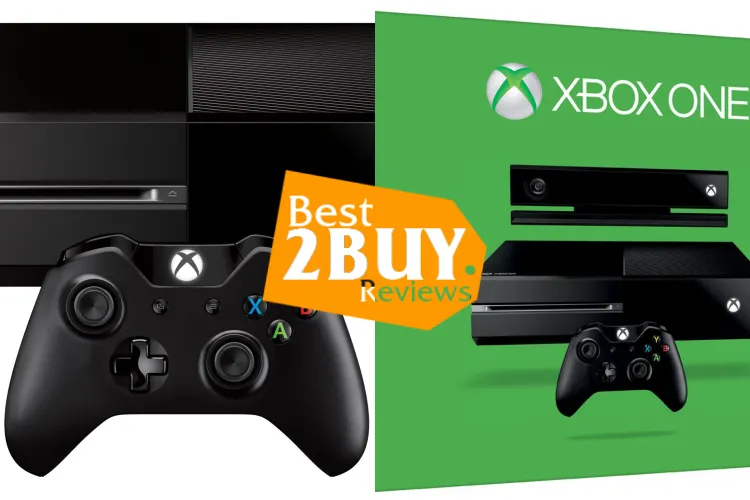
Xbox One Consoles are Microsoft’s previous-generation gaming systems, released before the newer Series S and Series X models. They were built to handle everyday home entertainment: playing games, streaming shows, and serving as a media hub in the living room.
What made people care — and still do — is balance. These consoles aimed to be reliable, familiar, and flexible rather than flashy. With versions like the Xbox One S and the more powerful Xbox One X, Microsoft offered options depending on budget and screen quality. Even now, many households use them for casual gaming nights, movie playback, or as a secondary console in a shared space.
Pros and cons
Pros
-
Solid library thanks to backward compatibility with older Xbox titles
-
Reliable hardware that holds up well over time
-
Xbox Game Pass access adds long-term value
-
Built-in Blu-ray player (4K on select models)
-
Quiet operation compared to many older consoles
Cons
-
No support for next-gen exclusive games
-
Slower load times than newer Xbox models
-
Storage fills up quickly with modern game sizes
-
Graphics performance varies widely by model
-
Not a great choice if future-proofing matters
Real-world performance and quality
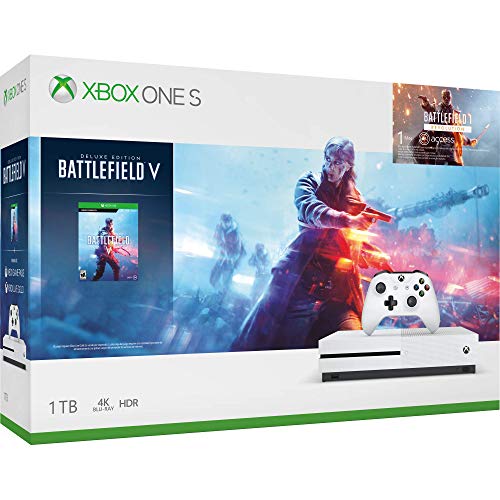
In daily use, these consoles feel steady and predictable. That’s not a bad thing. The Xbox One S runs quietly, even during longer gaming sessions, and the interface remains familiar and easy to navigate. Over time, what stands out most is consistency — it boots, it updates, and it plays without much fuss.
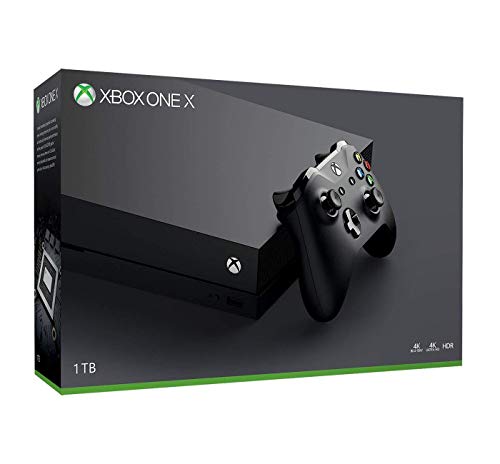
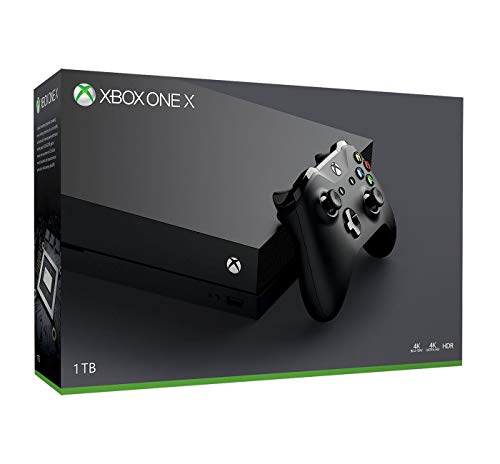
The Xbox One X, in particular, still impresses when paired with a 4K TV. Games that support 4K HDR look sharp and well-balanced, especially story-driven titles where visuals matter more than frame-rate perfection. Load times are slower compared to newer systems, but for many players, that’s a patience issue rather than a deal-breaker.
Durability has been one of the stronger points. Many long-term owners report using the same console for years with minimal issues, which lines up with Microsoft’s official hardware reliability expectations.
Who it’s for
This makes sense for:
-
Casual gamers who play a few familiar titles each month
-
Families looking for a shared console without a high price tag
-
Players interested in backward compatibility with older Xbox games
-
Households using the console for both streaming and gaming
-
Anyone buying a secondary console for a bedroom or den
It fits into real life easily. You can pick it up after dinner, play for an hour, and shut it down without feeling like you’re managing a complicated system.
Who should avoid it
This isn’t the right fit for:
-
Players who want access to next-generation exclusives
-
Competitive gamers sensitive to frame rates and load times
-
Anyone buying a console strictly for long-term future support
In those cases, newer Xbox Series models are a more practical choice, even if they cost more upfront.
Why consider buying
The real value here is stability. These consoles have mature software, broad game support, and fewer surprises. Xbox Game Pass, in particular, extends usefulness without constantly buying new titles. At the end of the day, it does the job it was designed for — steady entertainment without unnecessary complexity.
It’s not about chasing the latest release. It’s about enjoying what already works well.
Where to buy for better value
Amazon often has refurbished and renewed units at lower prices, and readers can click product links on Best2Buy.reviews that redirect to Amazon for fast, secure checkout. Availability tends to be more consistent there.
Walmart sometimes offers in-store deals, especially around holidays, though stock varies by location. Official Microsoft stores rarely carry these consoles new anymore, and pricing there isn’t usually competitive.
If prices climb too close to newer models, it’s honestly not worth buying — even on sale.
Frequently asked questions (FAQ)
Does it still receive system updates?
Yes. Microsoft continues to support system updates, though new features are limited.
Can it play older Xbox games?
Many Xbox 360 and original Xbox titles are supported through backward compatibility.
Is it good for streaming services?
Yes. Apps like Netflix, Hulu, and Disney+ run smoothly.
Does every model support 4K?
Only the Xbox One X offers native 4K gaming. The Xbox One S supports 4K video playback.
Quick verdict
Xbox One Consoles remain dependable and practical for everyday gaming and media use, as long as expectations are realistic.
Final thoughts
I’ve learned over the years that not everything needs to be new to be worthwhile. Some things earn their place by being dependable, familiar, and quietly useful. These consoles fall into that category.