Tarps Review: How to Choose the Right Tarp for Everyday Outdoor Protection

The other morning, rain tapping against the kitchen window and a half-finished coffee going cold, I realised how often the simplest bits of kit quietly save the day. Tarps are one of those things. You don’t think about them much—until you really need one.
1. Product overview
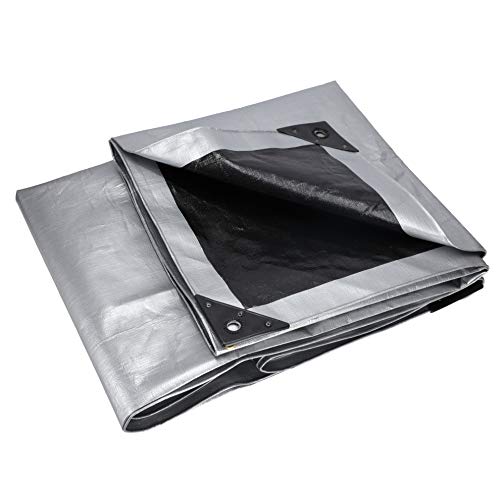
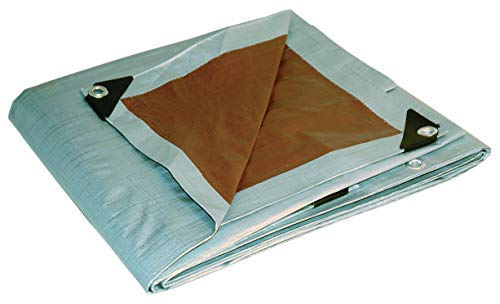
Tarps are heavy-duty sheets, usually made from polyethylene, canvas, or vinyl, designed to protect things from weather, dirt, and wear. People use them for everything from covering firewood and garden furniture to temporary roof repairs, camping setups, or protecting gear during a move.
Interest in tarps has grown because they’re versatile, relatively inexpensive, and easy to store. One good tarp can handle dozens of small jobs that would otherwise require more specialised (and costly) equipment.

2. Pros and cons
Pros
-
Highly versatile for outdoor and indoor use
-
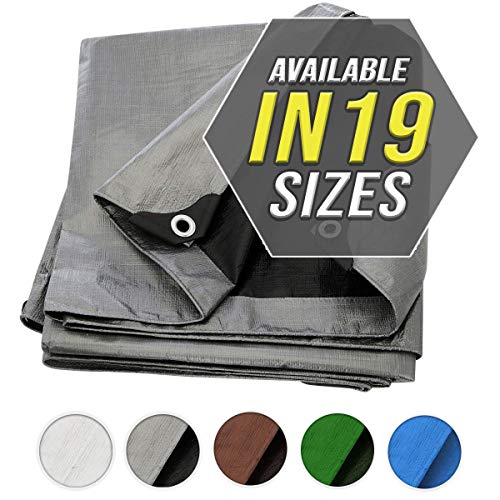
Available in many sizes and thickness levels
-
Waterproof tarps offer reliable rain protection
-
Easy to fold, store, and transport
-
Generally affordable compared to permanent covers
Cons
-
Cheaper tarps can tear under tension
-
Lightweight options may flap loudly in wind
-
UV resistance varies widely by brand
-
Not all grommets are reinforced well
3. Real-world performance and quality
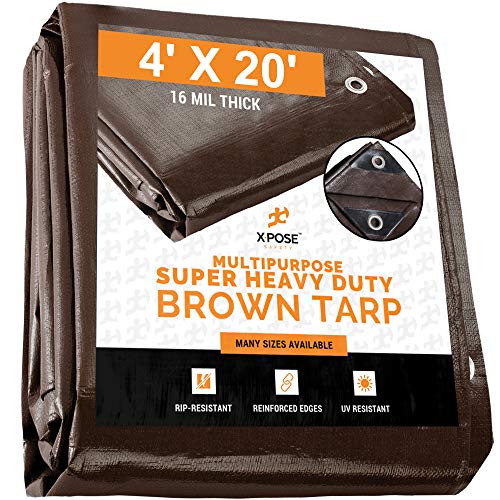
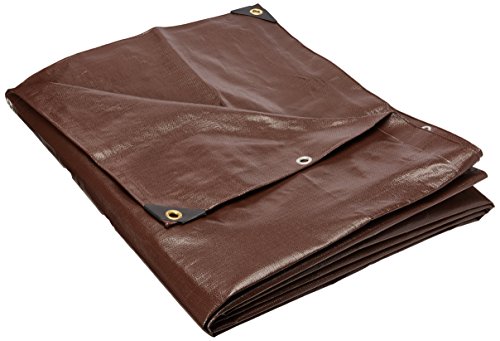
In practical use, performance depends heavily on material and thickness. Heavy-duty tarps with reinforced corners and rust-resistant grommets hold up far better when stretched tight or left outside for weeks.
Waterproof tarps do a solid job keeping rain off equipment, but prolonged sun exposure is where quality really shows. UV-resistant tarps last significantly longer without becoming brittle or faded. Cheaper polyethylene tarps work fine for short-term jobs—like covering a trailer load—but don’t expect them to survive multiple seasons outdoors.
One thing people often underestimate is noise. In windy conditions, thin tarps can be surprisingly loud, which matters if you’re using them near sleeping areas or neighbours.
4. Who it’s for
Tarps make sense for:
-
Homeowners needing occasional weather protection
-
Campers looking for flexible ground covers or shelters
-
DIYers handling painting, sanding, or renovations
-
Gardeners protecting soil, compost, or plants
-
Anyone storing items outdoors temporarily
If you like having practical solutions ready before problems arise, tarps are an easy win.
5. Who should avoid it
Tarps may not be ideal if:
-
You need a permanent roofing or structural solution
-
You expect silent performance in high wind
-
You want something decorative or visually discreet
-
You require guaranteed long-term UV exposure protection
In those cases, purpose-built covers or shelters may be worth the extra cost.
6. Why consider buying
The real value of tarps is flexibility. One purchase can handle multiple tasks across seasons. Heavy-duty tarps, in particular, provide peace of mind during sudden weather changes or unexpected projects.
They’re also forgiving. If a tarp gets scratched, dirty, or slightly damaged, it’s still usable—unlike many specialised covers that fail once compromised.
7. Where to buy for better value
-
Amazon offers the widest range of sizes, materials, and user reviews. Good for comparing waterproof tarps and checking real feedback.
-
Walmart often has competitive pricing on basic polyethylene tarps, especially for everyday household use.
-
Brand websites can be worthwhile for premium canvas tarps or UV-resistant tarps with longer warranties.
A tarp isn’t always worth buying, even on sale. Ultra-thin models with weak grommets often end up in the bin after one storm, making them poor value despite low prices.
8. Frequently asked questions (FAQ)
What thickness tarp should I choose?
For short-term or indoor use, lightweight tarps work fine. For outdoor protection or tensioned setups, heavy-duty tarps are far more reliable.
Are all tarps waterproof?
Most polyethylene and vinyl tarps are waterproof. Canvas tarps are water-resistant unless treated.
Do UV-resistant tarps really last longer?
Yes. UV-resistant tarps maintain flexibility and strength much longer when exposed to sunlight, according to manufacturer testing and consumer data.
Can tarps be used for camping?
Absolutely. Many people use camping tarps as ground sheets, rain covers, or shade shelters due to their flexibility.
9. Quick verdict
Tarps are one of those quietly useful purchases that earn their keep over time. Choose quality over the cheapest option, and they’ll handle far more than you expect.
10. Final thoughts
Living in London teaches you to respect unpredictable weather. A good tarp won’t stop the rain, but it can stop a bad day turning into a bigger problem. For me, that quiet reliability is exactly why tarps remain a staple in the shed—ready, folded, and waiting for the next small crisis.