Tap Extractors Review: Pros, Cons, and When They’re Worth Buying

A mug of coffee going cold on my desk is usually a sign I’ve fallen down a rabbit hole of tools again. This time it started with a snapped bolt on a bike stand and ended with a deep look into Tap Extractors—one of those unglamorous tools you don’t think about until you really need one.
1. Product overview
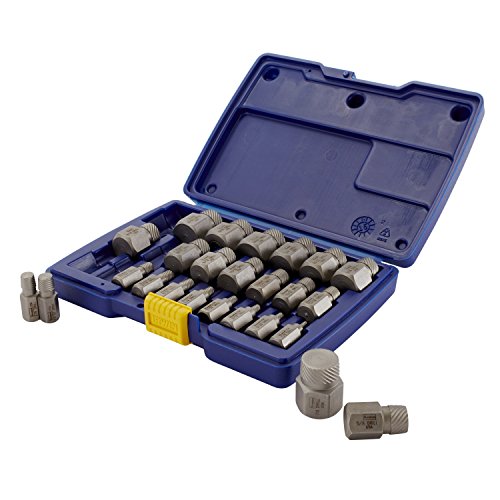
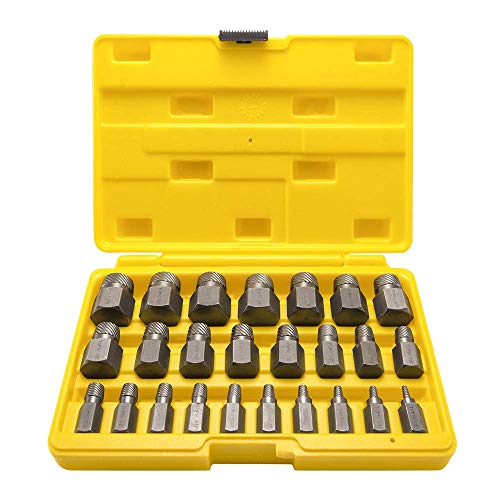
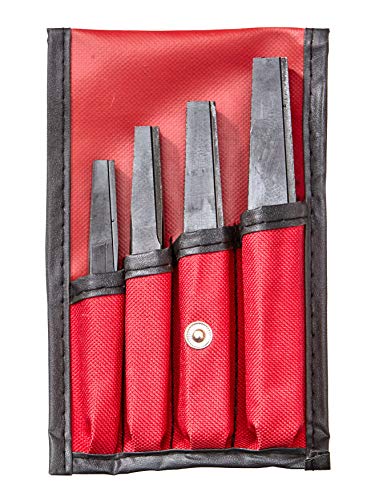
Tap extractors are specialist hand tools designed to remove broken taps or threaded fasteners stuck inside metal workpieces. When a tap snaps mid-job, drilling it out risks damaging the threads or the surrounding material. That’s where these tools come in.
They typically use hardened fingers or flutes that slide into the broken tap’s grooves, allowing you to back it out carefully rather than forcing it free. People are interested in them because they can save a part that would otherwise be scrapped—especially in metalworking, automotive repairs, and workshop settings where precision matters.

2. Pros and cons
Pros
-
Can save threaded holes without re-tapping
-
Minimal damage when used correctly
-
Useful for steel, aluminum, and softer metals
-
Compact and easy to store
Cons
-
Limited effectiveness on severely seized or cross-threaded taps
-
Requires patience and proper alignment
-
Cheap sets can snap or slip under load
-
Not a universal fix for every broken fastener
3. Real-world performance and quality
In practical use, tap extractors reward a steady hand more than brute force. When the broken tap isn’t welded in place by corrosion or over-torque, a good-quality extractor can ease it out cleanly. What stands out is how much control you retain compared to drilling—there’s far less anxiety about ruining the workpiece.
That said, they’re not miracle tools. If the tap broke because it was already binding hard, even the best extractor may struggle. Lower-end models tend to flex or shear under pressure, which only adds to the problem.
4. Who it’s for
These tools make sense for:
-
Home mechanics and hobbyists who work with threaded metal
-
Workshop technicians handling small-to-medium fasteners
-
Anyone restoring parts where original threads matter
If you occasionally deal with broken taps and value preserving parts, they’re a sensible addition.
5. Who should avoid it
You may want to skip tap extractors if:
-
You rarely work with threaded metal
-
Most of your fasteners are large or heavily corroded
-
You expect one tool to solve every extraction scenario
In those cases, alternative extraction tools or professional machining may be more reliable.
6. Why consider buying
The real value here isn’t speed—it’s prevention. Tap extractors can prevent costly rework or replacement by letting you recover a part that’s otherwise finished. They’re especially useful when working with softer alloys where drilling could easily overshoot and ruin tolerances.
7. Where to buy for better value
-
Amazon: Wide selection and user reviews help spot weak sets. Best for comparing brands quickly.
-
Walmart: Limited range, but convenient for basic sets at lower prices.
-
Brand websites (Irwin, Bosch, etc.): Higher upfront cost, but better steel quality and consistent sizing.
If a set is extremely cheap, even on sale, it’s often not worth it. A snapped extractor inside a broken tap is a problem no one enjoys solving.
8. Frequently asked questions (FAQ)
Do tap extractors work on all broken taps?
No. They work best when the tap breaks cleanly and isn’t seized by corrosion or excessive torque.
Are tap removal tools reusable?
Quality extractors are reusable, but misuse or overloading can permanently damage them.
Can I use them on stainless steel taps?
Sometimes, but stainless tends to gall. Success depends on how tightly the tap is stuck.
Is a tap extractor better than drilling?
For preserving threads, yes. Drilling is often a last resort.
9. Quick verdict
Tap extractors are niche tools, but when you need one, nothing else quite replaces it. They’re not foolproof, but a solid set can save time, money, and frustration.
10. Final thoughts
There’s something oddly satisfying about rescuing a job that looked doomed five minutes earlier. Tap extractors won’t get daily use for most people, but they earn their place the first time they save a part you’d already written off. I’ll take that small win—coffee reheated, lesson learned, threads intact.