
Standard Weight Benches Review: Pros, Cons, and Buying Advice (2026)

The kettle had just clicked off and the rain was doing that familiar sideways thing outside my window. While waiting for the coffee to settle, I found myself thinking about how many people quietly build a home workout routine around one simple piece of equipment: a weight bench. It’s not flashy, but it’s often the backbone of strength training at home.
1. Product overview
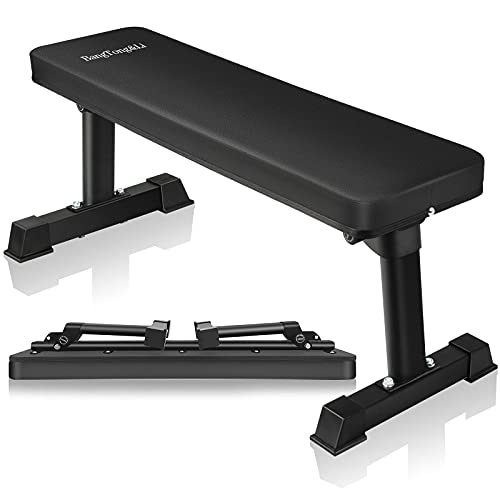
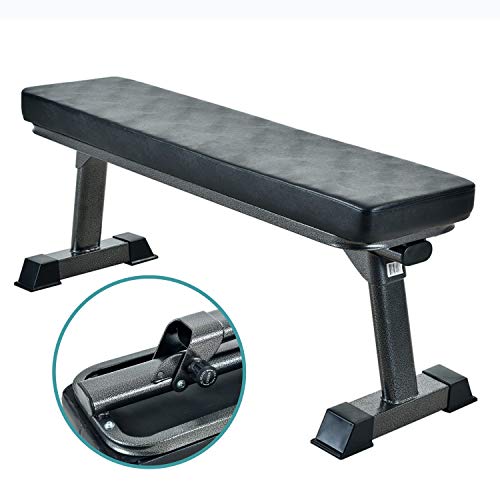
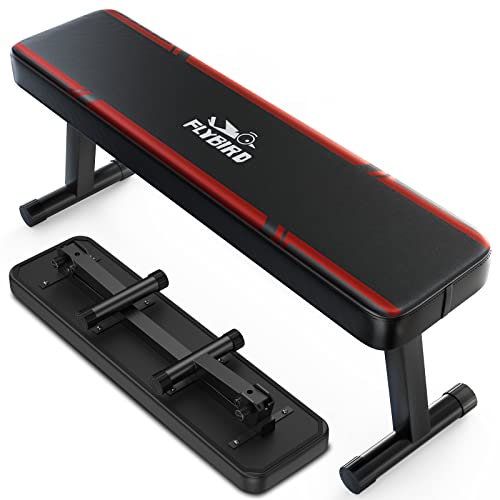
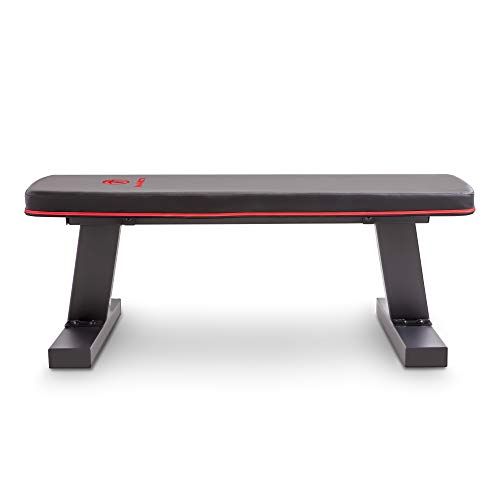
Standard Weight Benches are flat or adjustable benches designed to support strength training with free weights or dumbbells. They’re usually paired with a barbell set or adjustable dumbbells and form the foundation for exercises like bench presses, flyes, step-ups, and seated shoulder work.
The main problem they solve is stability. Trying to lift from the floor or a dining chair isn’t just uncomfortable—it can be unsafe. A proper bench gives you a consistent height, firm support, and predictable positioning, which matters more than people think once weights start adding up.
People are drawn to standard benches because they’re relatively affordable, widely available, and don’t demand a dedicated gym room. For many, they’re the first “serious” piece of home gym equipment.
2. Pros and cons
Pros
-
Simple design that’s easy to use
-
Generally affordable compared to multi-function benches
-
Works well with standard barbell and dumbbell sets
-
Takes up less space than full power racks
-
Suitable for beginners and intermediate lifters
Cons
-
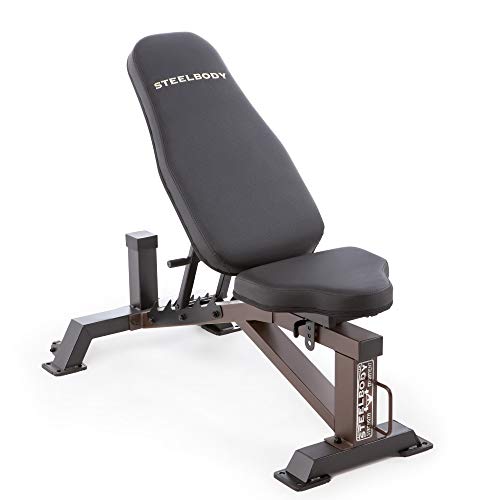
Limited exercise variety compared to adjustable or Olympic benches
-
Weight capacity can be restrictive on cheaper models
-
Padding quality varies widely by brand
-
Less suitable for very tall users or heavy lifters
3. Real-world performance and quality
In day-to-day use, a good standard bench should feel boring—in a good way. No wobble, no shifting, no soft spots in the padding. That’s where quality differences show up quickly.
Sturdier models use thicker steel frames and denser foam, which helps keep the bench stable during pressing movements. Cheaper benches often cut corners here, and you’ll notice it when racking or unracking weights.
One thing that stands out is how much padding density matters. Too soft, and you sink in, which affects posture. Too firm, and longer sessions become uncomfortable. The sweet spot is supportive but forgiving.
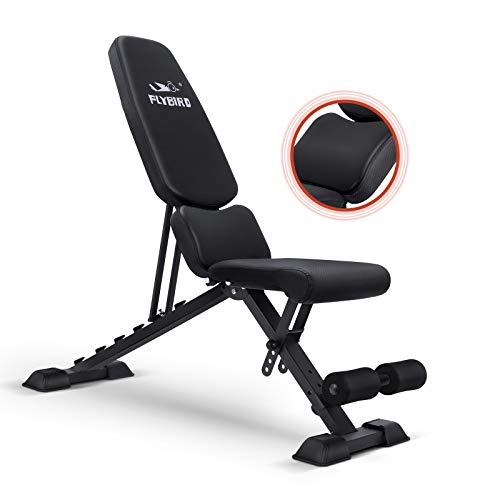
The downside is versatility. Flat standard benches are excellent at what they do, but they don’t adapt. If incline or decline movements are important to you, this type of bench can feel limiting over time.
4. Who it’s for
Standard weight benches make sense for:
-
Beginners building their first home gym
-
Casual lifters training two to four times a week
-
People focusing on basic compound movements
-
Anyone with limited space who wants a compact setup
They work particularly well in apartments, spare rooms, or shared spaces where equipment needs to be easy to move or store.
5. Who should avoid it
You may want to look elsewhere if:
-
You lift very heavy weights regularly
-
You need incline or decline angles for your program
-
You’re tall and need extra bench length
-
You plan to train competitively or long-term
In those cases, an adjustable or Olympic-style bench is often a better investment, even if it costs more upfront.
6. Why consider buying
The real value of standard benches isn’t about features—it’s about consistency. They make it easier to train safely at home, stick to a routine, and progress gradually.
For everyday strength training, they:
-
Encourage better form and posture
-
Reduce injury risk compared to improvised setups
-
Pair well with affordable free-weight systems
-
Offer long-term utility if built well
They won’t transform your workouts overnight, but they quietly support steady progress.
7. Where to buy for better value
-
Amazon offers the widest selection and user reviews, which helps spot common durability issues. Prices are competitive, but quality varies a lot.
-
Walmart tends to stock entry-level benches at lower prices, suitable for beginners but often with lower weight limits.
-
Brand websites sometimes provide better warranties and clearer specifications, though prices can be higher.
A standard bench is not worth buying, even on sale, if:
-
The weight capacity isn’t clearly stated
-
The frame uses thin steel tubing
-
Reviews mention instability or frame bending
Saving a little money upfront isn’t worth it if the bench limits your progress or confidence.
8. Frequently asked questions (FAQ)
Are standard weight benches good for beginners?
Yes. They’re one of the most accessible ways to start strength training with free weights, especially for basic exercises.
What weight capacity should I look for?
A combined capacity (user + weights) of at least 500–600 lbs is a sensible minimum for most adults.
Do standard benches work with adjustable dumbbells?
They usually do, as long as the bench height and width allow comfortable positioning.
How much space do standard weight benches need?
Most fit comfortably in a small room, but allow extra clearance for barbell movement and safety.
Are flat benches better than adjustable ones?
Flat benches are simpler and often sturdier for the price, but adjustable benches offer more exercise variety.
9. Quick verdict
Standard weight benches are a practical, no-nonsense choice for home workouts. They’re best for people who value stability and simplicity over flexibility and advanced features.
10. Final thoughts
There’s something reassuring about equipment that just does its job. A solid bench doesn’t distract you—it lets you focus on the lift, the breathing, and the slow progress that adds up over time. If your goals are straightforward and your space is limited, a standard bench can quietly earn its place in your routine. Some mornings, that kind of reliability is exactly what you want—especially when the weather’s doing its thing outside.