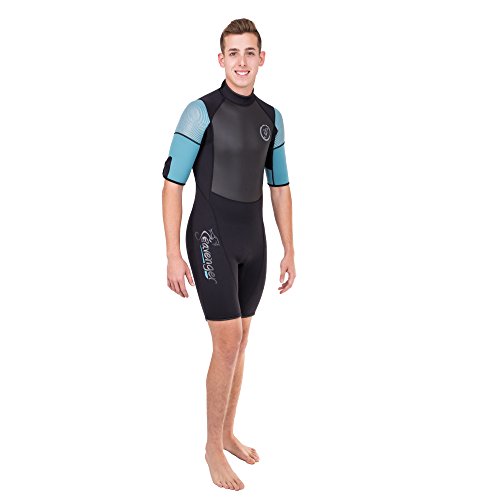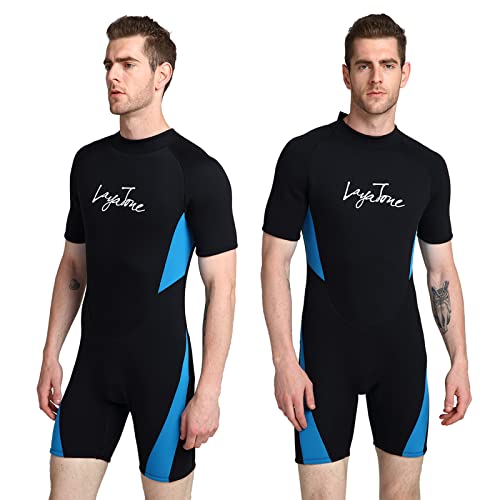
Shorty Wetsuits Review: Comfort, Flexibility, and When They’re Worth Wearing

The morning fog is still hanging low over the Pacific here in Santa Cruz, the kind that makes the ocean look calm even when it isn’t. I just came back from a quick paddle-out, wetsuit half-peeled down to my waist, toes numb but face smiling. That awkward in-between chill is exactly why Shorty Wetsuits keep ending up in my travel bag — not full armor, not swimwear either, just enough to stay comfortable and keep moving.
- 1. What you get & what it’s for
- 2. Real-world performance
- 3. Quality, design & durability
- 4. Comparison with similar products
- 5. Pros and cons
- 6. Who it’s best for
- 7. Who should skip it
- 8. Is it worth the money?
- 9. Where to buy it (with value in mind)
- 10. Frequently Asked Questions (FAQ)
- 11. Quick verdict
- 12. Final thoughts
What you get & what it’s for
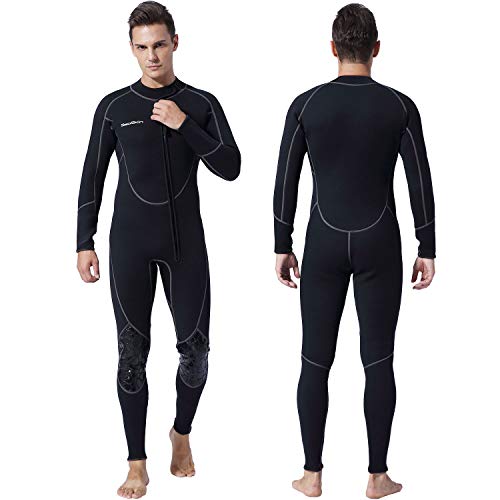
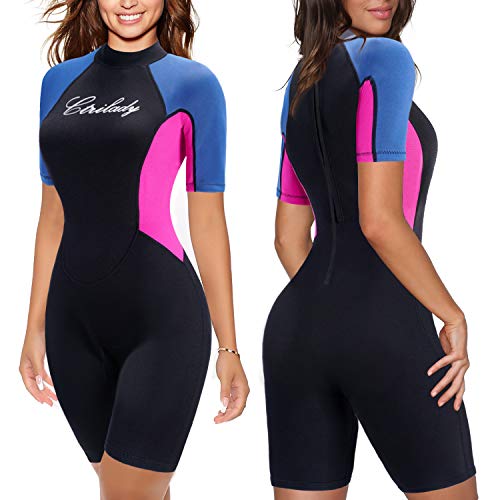
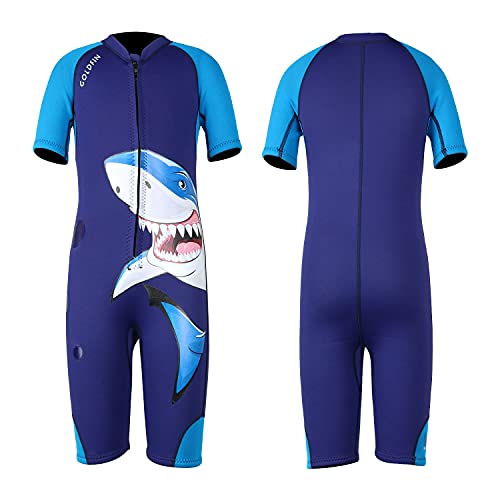
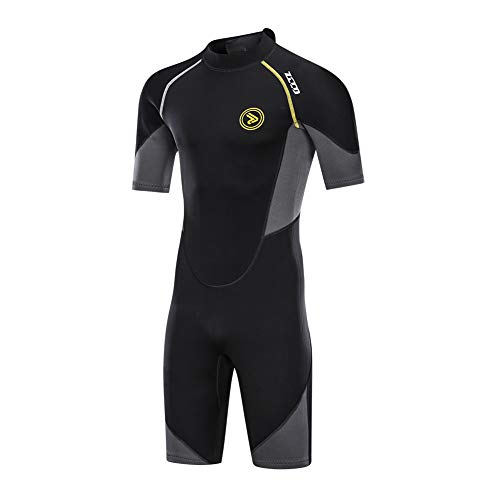
Shorty Wetsuits are exactly what they sound like: wetsuits with short sleeves, short legs, or both. They’re usually made from neoprene, just thinner and less restrictive than full suits.
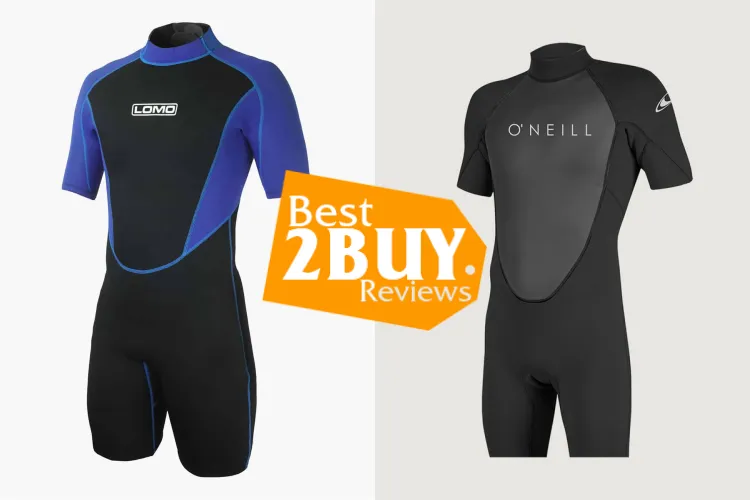
They’re designed to solve a pretty specific problem — when the water is cool, but not cold enough to justify a full-length wetsuit. Think late spring, early fall, or warm-water mornings when the breeze is doing most of the chilling.
They’re best for:
-
Surfers and paddleboarders in mild water temps
-
Snorkeling and casual diving trips
-
Kayaking, wakeboarding, or swimming with extra warmth
-
Travelers who want protection without packing bulk
If you move a lot and hate feeling wrapped like a burrito, this category makes a lot of sense right now.
Real-world performance
In daily use, Shorty Wetsuits are refreshingly simple. You zip in, you move, you forget about it — which is kind of the point.
Most short sleeve wetsuits warm your core quickly while letting your arms and legs stay free. That means easier paddling, less shoulder fatigue, and no wrestling match when pulling it on or off. I’ve worn them for early-morning surf sessions, snorkeling off rocky coves, and even long kayak days where sun protection mattered as much as warmth.
What surprised me over time is how versatile they are. They dry faster than full wetsuits, feel less clammy during breaks, and don’t overheat you once the sun comes out. The trade-off is obvious: once water temps really drop, you’ll feel it in your limbs.
Quality, design & durability
Most Shorty Wetsuits use 2mm–3mm neoprene, sometimes with flatlock stitching. That keeps them flexible and lightweight, which is great for travel.
The better ones:
-
Use soft neoprene that doesn’t fight back
-
Have reinforced seams around stress points
-
Zip smoothly without digging into your spine
-
Sit flat around the neck and thighs
Weak spots tend to show up at seams and zippers after repeated saltwater use. If you’re traveling, they pack down small and don’t hold onto water like thicker neoprene wetsuits — a big plus when everything needs to dry overnight.
Comparison with similar products
I usually compare Shorty Wetsuits to three alternatives:
Full wetsuits:
Warmer, yes. But heavier, slower to dry, and overkill in mild conditions.
Rash guards + board shorts:
Way more freedom, but zero insulation. Fine for hot days, not for dawn patrols.
Spring wetsuits:
Very similar category, sometimes overlapping. Spring wetsuits usually mean longer arms or legs, offering a bit more warmth with slightly less freedom.
Shorty styles win when flexibility and comfort matter more than maximum heat.
Pros and cons
✔️ Pros
-
Lightweight and easy to pack
-
Great mobility for arms and shoulders
-
Faster drying than full wetsuits
-
Comfortable in warm-to-mild water temperatures
-
Less tiring for long sessions
❌ Cons
-
Limited warmth in cold water
-
Not ideal for long winter sessions
-
Some cheaper models stretch out over time
Nothing dramatic — just honest trade-offs.
Who it’s best for
Shorty Wetsuits are a good fit if:
-
You surf, paddle, or snorkel in mild climates
-
You travel often and pack light
-
You prefer freedom of movement over max insulation
-
You want sun protection without overheating
They suit active days where you’re in and out of the water, not sitting still.
Who should skip it
You’ll want to pass if:
-
You’re surfing cold water year-round
-
You need thermal protection for long dives
-
You’re sensitive to cold in arms and legs
In those cases, a full wetsuit or thicker spring wetsuit is the smarter move.
Is it worth the money?
For most people, yes — within reason. Shorty Wetsuits usually sit in a comfortable middle price range. You’re paying for flexibility, comfort, and convenience, not heavy-duty insulation.
They’re worth it if:
-
You’ll actually use them often
-
You travel or do multiple water sports
-
You don’t already own a similar neoprene wetsuit
Even on sale, though, ultra-cheap models can feel thin and lose shape fast. Spending a little more usually pays off.
Where to buy it (with value in mind)
Amazon tends to have the widest selection, fast delivery, and easy returns — which matters with wetsuit sizing. Brand websites sometimes offer better sizing charts, but returns can be slower.
At Best2Buy.reviews, product links go to Amazon for secure checkout and straightforward return policies. That’s usually the least stressful option, especially when you’re buying before a trip.
Frequently Asked Questions (FAQ)
What water temperature are Shorty Wetsuits good for?
They’re typically best for water between 65°F–75°F, depending on thickness and wind conditions.
Are short sleeve wetsuits warm enough for surfing?
Yes, for mild conditions. They keep your core warm while allowing full arm movement.
How thick should a shorty wetsuit be?
Most people choose 2mm or 3mm neoprene. Thicker adds warmth, thinner adds flexibility.
Can I snorkel or dive in a shorty wetsuit?
For shallow or casual snorkeling, absolutely. For deeper or longer dives, a full wetsuit is safer.
Do Shorty Wetsuits protect from the sun?
Yes, they provide better sun protection than rash guards alone, especially on the torso.
Quick verdict
Shorty Wetsuits are practical, comfortable, and easy to live with. They’re not built for cold extremes — but in the right conditions, they do the job quietly and well.
Final thoughts
I’m packing mine up again tonight, folding it next to a towel that still smells faintly of salt and coffee. Shorty Wetsuits don’t get the glory of full suits, but they earn their keep — especially when travel, comfort, and flexibility matter more than brute warmth.
More gear tests coming soon.
— Samuel