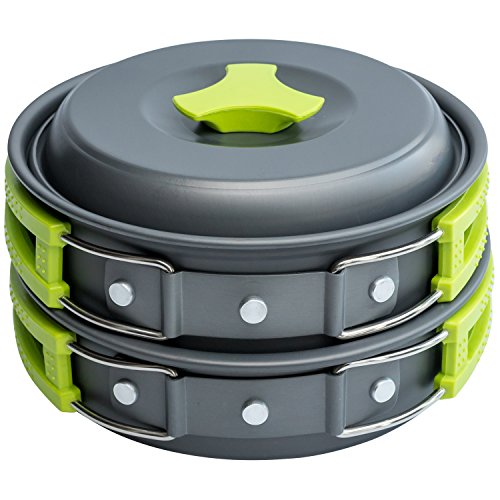
Open Fire Cookware Review: Cast Iron vs Stainless Steel for Outdoor Cooking

The other evening, I had John Coltrane playing softly in the background while I was out in the garden, attempting to burn off a pile of old branches that had been cluttering the place since autumn. It seemed a sensible enough moment to try out a bit of Open Fire Cookware—nothing fancy, just a straightforward cast iron pan and a small pot I’d picked up after a bit of browsing on Amazon.
Now, cooking outdoors over an open flame sounds rather romantic in theory. In practice, it’s often a smoky, uneven affair that leaves you wondering why you didn’t just stay inside with the hob and a proper kettle.
What They Don't Tell You in the Ads
Let’s address the obvious worries straight away, because most of you are thinking the same thing.
Pain Point 1: Weight of Cast Iron
Yes, proper cast iron is heavy. Not “slightly inconvenient” heavy—properly weighty. My pan came in at just over 3 kg, and after ten minutes of holding it over a fire, you’ll feel it in your wrists. If your hands aren’t what they used to be, this matters.
Pain Point 2: Heat Control Is Guesswork
Unlike gas or electricity, an open flame doesn’t care about your dinner plans. One minute it’s barely warm, the next it’s scorching. Stainless steel cookware struggled more here—heated quickly, but just as quickly burned the sausages.
Pain Point 3: Cleaning Is a Chore
No one tells you that cleaning open fire cookware outdoors is a bit of a faff. Without a proper sink, you’re left scrubbing with a bottle of water and hoping for the best.

The Norfolk Stress Test
I gave the cookware a fair go over two evenings—one dry, one properly damp, as Norfolk tends to arrange.
The cast iron pan held heat beautifully. Once it got going, it stayed hot enough to cook evenly, even when the fire dipped. I managed a decent batch of bacon without it sticking, which is more than I expected.
The long handle versions were far more practical. I tried a shorter-handled pot and quickly realised it meant getting far too close to the flames for comfort. Not ideal when your reflexes aren’t quite as sharp as they once were.
I left the pan outside overnight (about 7°C, a touch of moisture in the air). By morning, there was the faintest hint of surface rust starting. Not disastrous, but a reminder that cast iron demands a bit of care—dry it properly or pay the price.
As for portability, this isn’t something you’d casually carry on a long hiking trip. Fine for camping near the car, but you wouldn’t want it in your rucksack unless you enjoy unnecessary suffering.
The Annoyances
A few things began to grate after a couple of uses.
- Weight, again. It doesn’t get lighter, no matter how optimistic you feel.
- The lack of proper lids on some sets is irritating—heat escapes quickly.
- Handles, especially on cheaper models, can get uncomfortably hot despite claims otherwise.
And frankly, some of the “multi-use” claims are nonsense. Yes, you can use it on gas or even electric, but that’s not where it shines.
Sifting Through the Amazon Reviews
A quick trawl through the reviews shows a familiar pattern.
The glowing five-star ones often bang on about “authentic outdoor cooking” without mentioning the effort involved. Take those with a pinch of salt.
The more grounded three-star reviews are far more useful. They highlight:
- Excellent heat retention for cast iron
- Complaints about rust if not maintained properly
- Frustration with weight and awkward handling
Quite a few also mention warped stainless steel pans after repeated high heat, which aligns with what I saw. It’s not rubbish, but it’s not indestructible either.
The Brass Tacks (Questions You Lot Keep Asking)
Is cast iron better than stainless steel for open fire cooking?
Yes, generally. It’s heavier, but far more forgiving with uneven heat.
Do you need to season the cookware before using it?
If it’s cast iron, absolutely. Skip that step and your food will stick like glue.
Are long handles really necessary?
Unless you fancy singeing your knuckles, yes—they make life much easier.
Can you use this on a normal cooker at home?
You can, but it’s overkill. It’s built for the outdoors, not your tidy kitchen hob.
Who Should Walk Away?
If you’re after quick, convenient cooking with minimal cleanup, this isn’t for you. Stick to your kitchen.
Also, if lifting a few kilograms repeatedly sounds like hard work, you’ll likely find this more trouble than it’s worth.
And if you expect spotless cookware without effort, you’ll be sorely disappointed.
The Pensioner’s Verdict
Open Fire Cookware has its place. Done properly, especially with good cast iron, it delivers solid, reliable results and a certain rustic charm.
But let’s not pretend it’s effortless. It requires patience, a bit of strength, and a willingness to deal with soot, weight, and maintenance.
Spend wisely, avoid the flimsy options, and it will serve you well for years. Buy cheap, and you’ll be replacing it before the next camping season.
Right, the tea’s getting cold and I need to check on the tomatoes.
Cheers,
William