
Slip & Martingale Collars: Real-World Pros, Cons, and When They’re Worth It

The café I’m sitting in today is wedged between a Brooklyn laundromat and a record store that only sells old disco singles. It’s one of those slow mornings where the coffee keeps getting refilled and my dog’s leash is wrapped around the chair leg for the third time. Watching him slip halfway out of his old collar earlier — again — is what pushed this topic back to the top of my list.
Slip & Martingale Collars are one of those low-key dog gear upgrades people usually discover after a small scare, a stubborn puller, or a Houdini-level escape artist. They’re simple, old-school, and surprisingly misunderstood — which is why they’re worth talking about.
- 1. What you get & what it’s for
- 2. Real-world performance
- 3. Quality, design & durability
- 4. Comparison with similar products
- 5. Pros and cons
- 6. Who it’s best for
- 7. Who should skip it
- 8. Is it worth the money?
- 9. Where to buy it (with value in mind)
- 10. Frequently Asked Questions (FAQ)
- 11. Quick verdict
- 12. Final thoughts
What you get & what it’s for
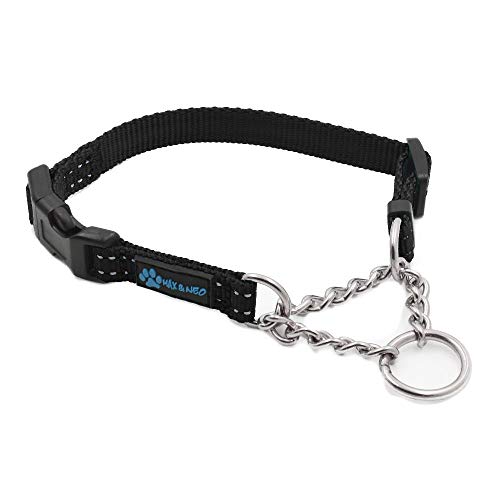
Slip & Martingale Collars are designed to give better control without choking your dog or letting them back out of their collar. A slip collar tightens fully when pulled, while a martingale collar tightens only to a preset limit — enough to prevent slipping out, but not enough to constrict the neck.
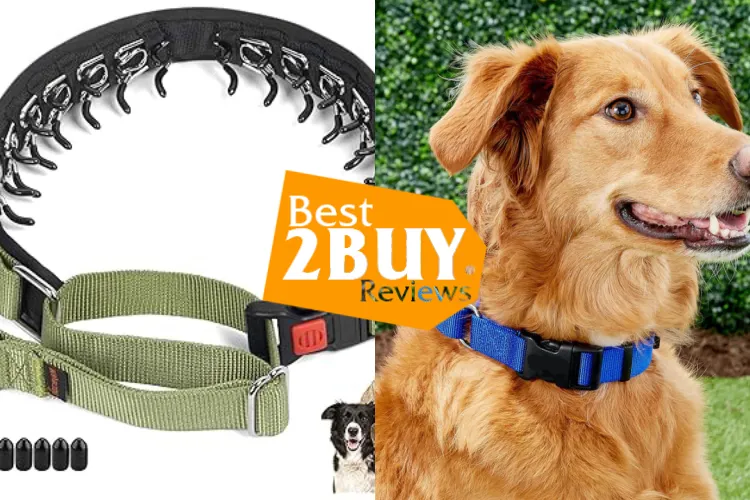
They’re most commonly used for:
-
Dogs with narrow heads (think Greyhounds, Whippets, Shelties)
-
Dogs that back out of standard flat collars
-
Training situations where gentle correction matters
You’ll hear trainers talk about martingale dog collars as a safer alternative to choke chains, and that’s largely true. They’re built to apply even pressure, then relax when the leash slackens. No gears. No plastic clips. Nothing fancy — and that’s the point.
Real-world performance
In daily use, martingale collars are refreshingly straightforward. You slip it over the dog’s head, adjust it once, and you’re done. No buckles to snap mid-walk, no plastic parts cracking in cold weather.
What I’ve noticed over time:
-
Dogs tend to respond quickly to the gentle tightening
-
Less pulling after a few walks, especially with consistent handling
-
Escape attempts drop fast — the collar tightens just enough to stop it
Slip collars, on the other hand, require more experience. They’re effective, but timing matters. Used carelessly, they can be uncomfortable. Used correctly, they’re light, responsive, and popular with professional handlers.
Comfort improves once you dial in the fit. Poor adjustment is the main reason people dislike these collars — not the design itself.
Quality, design & durability
Most Slip & Martingale Collars are made from:
-
Nylon webbing
-
Stainless steel or welded metal rings
-
Occasionally leather or reflective fabric
The good ones feel boring — in a good way. Tight stitching, smooth ring movement, no sharp edges. After months of walks, rain, and the occasional tug-of-war, they usually hold their shape.
Weak spots to watch for:
-
Cheap stitching near the control loop
-
Thin rings that bend over time
-
Rough seams that rub short-haired dogs
For travel, they’re great. They pack flat, weigh almost nothing, and don’t rely on breakable hardware.
Comparison with similar products
Compared to flat collars, martingale training collars offer far better escape prevention. Compared to harnesses, they’re lighter and faster to put on, though harnesses still win for dogs with breathing issues.
Against choke chains, martingales are the clear winner for everyday use. They limit tightening, distribute pressure more evenly, and are easier on both dog and handler.
Slip leads combine leash and collar in one, which is convenient — but less adjustable and not ideal for long walks.
Pros and cons
✔️ Pros
-
Prevents dogs from slipping out
-
No plastic buckles to break
-
Lightweight and travel-friendly
-
Simple, durable design
❌ Cons
-
Requires proper fitting
-
Slip collars need experienced handling
-
Not ideal for dogs with neck or airway issues
Who it’s best for
Slip & Martingale Collars work best for:
-
Dogs that pull or reverse out of collars
-
Narrow-headed breeds
-
Owners who walk daily and want simplicity
-
Travelers who want gear that doesn’t fail in transit
They’re especially useful for rescue dogs still learning leash manners.
Who should skip it
If your dog has respiratory problems, a harness is usually a safer bet. If you prefer zero learning curve and maximum padding, these collars might feel too minimal.
And if you’re uncomfortable managing leash tension, a slip collar isn’t the place to start.
Is it worth the money?
Most martingale dog collars are reasonably priced, and even well-made ones rarely cost much more than standard collars. Given their durability and safety benefits, they’re usually worth it — especially if you’ve already replaced one escape-prone collar.
Slip collars are even cheaper, but the value depends entirely on how they’re used.
Where to buy it (with value in mind)
You’ll find Slip & Martingale Collars at:
-
Amazon (wide selection, fast shipping)
-
Walmart (limited styles, decent pricing)
-
Brand websites (better materials, higher cost)
At Best2Buy.reviews, product links go to Amazon for secure checkout and easy returns, which matters when sizing isn’t perfect on the first try.
Frequently Asked Questions (FAQ)
Are martingale collars safe for everyday walks?
Yes, when properly fitted. They tighten only to a set limit, making them safer than choke chains.
What’s the difference between slip collars and martingale collars?
Slip collars tighten without a limit. Martingale collars stop tightening once they reach a preset size.
Can puppies use martingale dog collars?
They can, but frequent resizing is needed as puppies grow.
Do martingale training collars help with pulling?
They can reduce pulling over time, especially when paired with consistent leash handling.
Quick verdict
Slip & Martingale Collars aren’t flashy, but they solve real problems. Martingales, in particular, strike a solid balance between control and comfort — simple gear that quietly does its job.
Final thoughts
I finished this piece just as the record store next door started blasting an old jazz-funk track through the open door. My dog’s still asleep under the table, collar loose, leash slack — which is kind of the whole goal. I’ll be back soon with more gear breakdowns, probably from somewhere with better weather and worse coffee.
— Samuel