
Yard Signs: What Holds Up Outdoors and What Doesn’t

Some mornings, when I’m out early with a cup of coffee and the paper, I notice how many messages live quietly along the curb. A thank-you to healthcare workers. A candidate’s name fading in the sun. A hand-painted birthday wish leaning a little to the left. Yard signs are simple things, but they’re asked to do a lot while standing out there in the weather.
Product overview
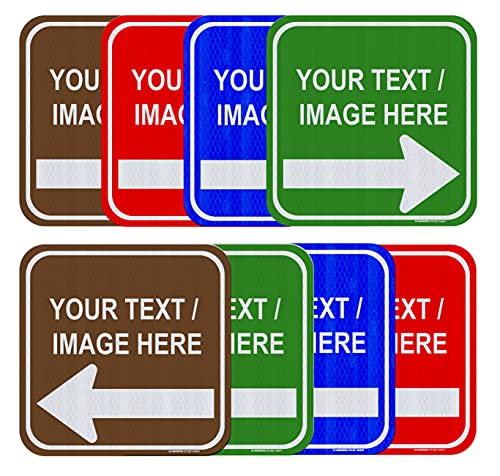
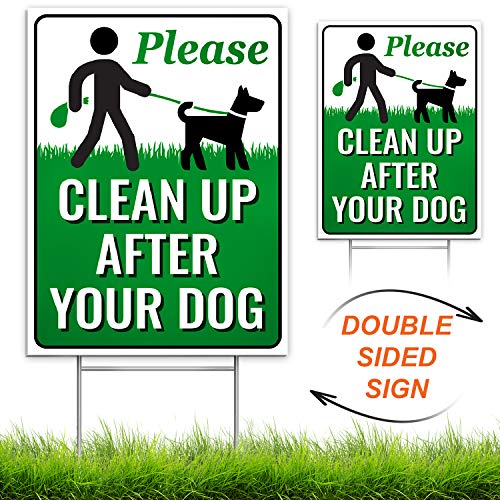
Yard signs are lightweight outdoor signs, usually made from corrugated plastic or coated cardboard, designed to be staked into soil or grass. People use them for everything from local elections and real estate listings to celebrations, directions for events, or small business promotions.
What they solve is straightforward: they offer a visible, affordable way to share a message without needing power, permits, or complicated installation. Most come with metal stakes, go up in a minute or two, and can be taken down just as easily.

Pros and cons
Pros
-
Affordable compared to banners or permanent signage
-
Easy to install and remove without tools
-
Weather-resistant options last weeks or months outdoors
-
Lightweight and simple to store flat
-
Custom printing is widely available
Cons
-
Cheaper materials fade or warp quickly in sun and rain
-
Thin stakes can bend in hard or rocky soil
-
Limited visibility at night without lighting
-
Wind can be an issue for larger sizes
-
Reusability depends heavily on material quality
Real-world performance and quality
In day-to-day use, the biggest difference comes down to material. Corrugated plastic (often called coroplast) holds up far better than coated paperboard. Over time, paper-based signs soften at the edges and lose rigidity, especially after heavy rain.
With plastic yard-signs, fading is the long-term concern. After a few months of Texas sun, colors dull noticeably, especially reds and blues. The sign is still readable, just less crisp. Metal H-stakes are generally fine for standard lawns, but they struggle in dry, compacted soil unless you water first or pre-punch a small hole.
Wind matters more than most people expect. Signs placed perpendicular to strong wind tend to twist slightly on the stake. Thicker plastic reduces this, but nothing short of heavier framing eliminates it completely.
Who it’s for
These signs make sense for:
-
Homeowners marking events, celebrations, or temporary notices
-
Local campaigns or community causes with limited budgets
-
Real estate agents needing short-term visibility
-
Small businesses advertising sales or openings
-
Anyone who needs a message outdoors for a few weeks, not years
They fit best when expectations are realistic and longevity beyond a season isn’t critical.
Who should avoid it
You may want to skip standard yard signs if:
-
You need a polished, long-term outdoor display
-
The area is extremely windy or exposed
-
Night visibility is essential
-
Local ordinances restrict temporary signage
In those cases, aluminum composite signs or mounted panels cost more but last much longer and look cleaner over time.
Why consider buying
The value here isn’t about perfection. It’s about practicality. These signs do the job they’re meant to do: show a message clearly, cheaply, and without fuss. For temporary needs, they’re hard to beat. The trade-off is durability, and as long as that’s understood, most people are satisfied.
Spending a little more on thicker plastic and UV-resistant printing usually pays off, especially if the sign will be outdoors longer than a couple of weeks.
Where to buy for better value
Amazon offers the widest selection and quick delivery. On Best2Buy.reviews, readers can click product links that redirect to Amazon for fast, secure checkout, which is convenient when timing matters.
Walmart tends to be competitive on basic, pre-printed options, especially for holidays or school events. Selection can vary by location.
Official brand or print-shop websites are often best for custom designs and bulk orders. Pricing is higher upfront, but print quality and material thickness are usually better.
Even on sale, ultra-thin cardboard signs rarely hold up well outdoors and are often not worth buying.
Frequently asked questions (FAQ)
How long do yard-signs last outdoors?
Corrugated plastic signs typically last one to three months outdoors, depending on sun exposure and weather. Paper-based signs may last only a few weeks.
Are they recyclable?
Many plastic signs are made from polypropylene, which is recyclable in some areas. Local recycling rules vary, so it’s worth checking.
Do they damage lawns?
The metal stakes usually leave minimal impact. Any small holes in soil close naturally after removal.
Are there size limits in residential areas?
Yes, many municipalities regulate sign size and placement. Local city or county websites usually outline the rules.
Quick verdict
Yard signs are practical, affordable, and imperfect by nature. Choose better materials, manage expectations, and they’ll serve their purpose without much trouble.
Final thoughts
I’ve come to see these signs as part of the everyday landscape—temporary markers of what matters to people at a given moment. They’re not meant to last forever, and that’s okay. Used thoughtfully, they do their quiet work and then step aside.