
Ultimate canopy buying guide: types, benefits, and how to choose the right one

The ultimate guide to canopies: how to choose the best one for your outdoor experience
Canopies are essential for anyone looking to enjoy the outdoors while staying protected from the elements. Whether you're hosting a garden party, setting up a booth at a market, going camping, or simply looking to shade your vehicle, choosing the right canopy can make a big difference. This guide will walk you through the main types of canopies, their benefits, what to consider before buying, and how to take care of them properly.
- 1. The ultimate guide to canopies: how to choose the best one for your outdoor experience
- 2. 🏕️ Types of canopies
- 2.1. Pop-up canopies
- 2.2. Frame canopies
- 2.3. Event tents
- 2.4. Camping canopies
- 2.5. Carports
- 3. 🌤️ Benefits of using a canopy
- 3.1. 1. Protection from weather
- 3.2. 2. Aesthetic flexibility
- 3.3. 3. Multi-purpose use
- 3.4. 4. Portability
- 3.5. 5. Budget-friendly
- 3.6. 6. Branding and customization
- 4. 🛠️ How to choose the right canopy
- 4.1. 1. Purpose
- 4.2. 2. Size
- 4.3. 3. Canopy fabric
- 4.4. 4. Frame materials
- 4.5. 5. Portability
- 4.6. 6. Assembly
- 4.7. 7. Wind resistance
- 4.8. 8. Ventilation
- 4.9. 9. Adjustable height
- 5. 🧽 Canopy maintenance and care tips
- 6. ✅ Conclusion
- 7. ❓ Frequently asked questions
🏕️ Types of canopies
Pop-up canopies
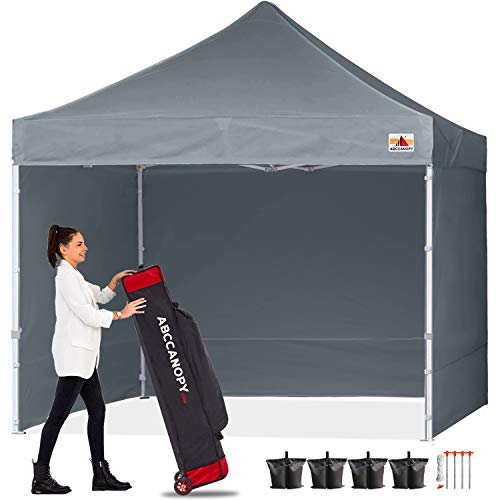
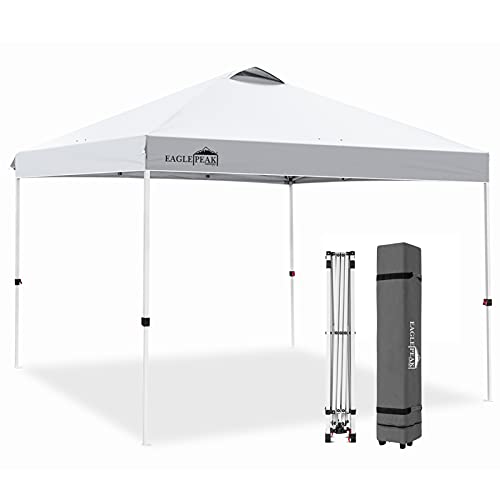
Pop-up canopies are lightweight, easy to transport, and quick to assemble. They’re perfect for one-day events like markets, picnics, or beach outings.
According to Consumer Reports, pop-up canopies are ideal for recreational use due to their ease of setup and portability (source: ConsumerReports.org).
Frame canopies
Frame canopies are built with a more solid metal structure, offering greater stability and long-term use. They’re suitable for weddings, trade shows, or as semi-permanent backyard covers.
Event tents
Event tents are large canopies designed to host big groups. Their high durability and customizable layout make them ideal for festivals, corporate events, and large outdoor ceremonies.
Camping canopies
Designed with portability in mind, these canopies offer shelter from sun and light rain during hiking and camping trips. Most include UV protection and wind resistance.
Carports
Carports are canopies used to protect vehicles from weather damage. They are available in both temporary and permanent forms and help reduce sun damage, rain exposure, and hail impact.
The National Renewable Energy Laboratory notes that using carports can reduce solar heat gain in vehicles, extending their lifespan (source: NREL.gov).
🌤️ Benefits of using a canopy
1. Protection from weather
Canopies shield users from sun, rain, and light wind, making them ideal for unpredictable outdoor conditions.
2. Aesthetic flexibility
Modern canopies come in various colors and designs that complement both personal and commercial spaces.
3. Multi-purpose use
From weddings to camping trips, canopies are used in both casual and professional settings.
4. Portability
Most canopies are designed for easy transport and quick setup, especially pop-up styles.
5. Budget-friendly
Compared to permanent structures like gazebos or pergolas, canopies are much more affordable and require less installation effort.
6. Branding and customization
Businesses can print logos and promotional designs on their canopy fabric for better visibility at public events.
According to Forbes, branded outdoor setups like tents and banners significantly increase foot traffic at events (source: Forbes.com).
🛠️ How to choose the right canopy
1. Purpose
Will you use it for a one-time event, ongoing business use, or backyard coverage? The purpose will guide your choice in material and structure.
2. Size
Measure the available area and ensure the canopy comfortably fits the space and your crowd or equipment.
3. Canopy fabric
Look for UV-resistant, waterproof materials like polyester or polyethylene. Higher denier ratings usually mean stronger fabric.
4. Frame materials
-
Steel: Heavier but more stable
-
Aluminum: Lightweight but slightly less durable
5. Portability
If you'll move it often, look for a model that includes a roller bag and quick setup system.
6. Assembly
Pop-up canopies are best for solo or quick setups. More complex frames may require multiple people.
7. Wind resistance
Choose canopies with strong stakes, sandbags, or built-in wind panels for added stability in breezy conditions.
8. Ventilation
Vented roofs or mesh windows prevent heat buildup, especially useful in summer events.
9. Adjustable height
This feature lets you tailor the shade area or adapt to uneven ground surfaces.
🧽 Canopy maintenance and care tips
-
Clean regularly: Use mild soap and water to remove dirt and mildew.
-
Dry before storage: Prevent mold by ensuring the fabric is fully dry.
-
Check the frame: Inspect for rust or bent poles. Replace broken parts as needed.
-
Store safely: Keep the canopy in a cool, dry place when not in use.
The American Camp Association advises routine canopy maintenance to avoid fabric deterioration and extend its usable life (source: ACAcamps.org).
✅ Conclusion
The right canopy enhances your outdoor experience by providing comfort, protection, and style. By considering size, material, purpose, and portability, you can make an informed decision that meets your needs—whether for personal use or business. With proper care, your canopy will serve you well for many seasons.
❓ Frequently asked questions
1. Can a canopy withstand heavy rain?
Some models are water-resistant, but for heavy rain, choose one with sealed seams and sloped roofs for drainage.
2. Is it safe to leave a canopy up overnight?
Only if it's rated for long-term use and properly secured. Lightweight models should be taken down.
3. What's the best material for a canopy?
Polyester with a high denier rating and UV coating is most popular for balancing durability and price.
4. How do I secure my canopy in the wind?
Use weight bags, tie-downs, and heavy-duty stakes. Never leave a canopy unattended in strong winds.
5. Can I customize my canopy with logos?
Yes. Many manufacturers offer custom printing for business use or personal branding.