
Stretch Film Review: Pros, Cons, Uses, and Buying Tips for Storage & Shipping

A grey London morning, kettle on, radio low in the background — the sort of quiet start where you end up tidying a cupboard you’ve been ignoring for months. That’s usually when I’m reminded how many everyday tasks quietly rely on something simple and unglamorous: stretch film.
1. Product overview
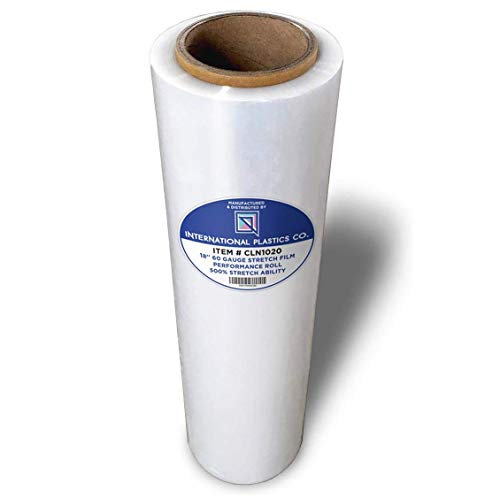
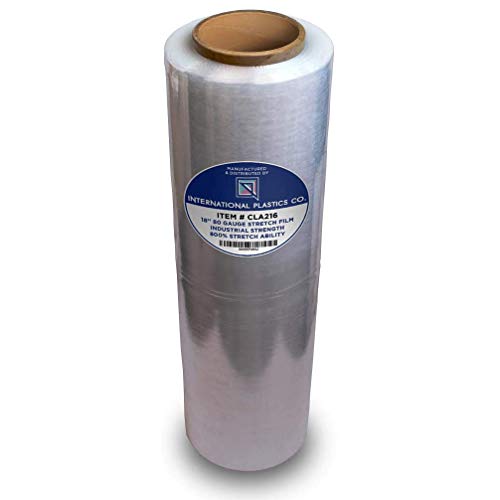
Stretch film is a thin, elastic plastic wrap designed to secure items together. You’ll see it most often wrapped around pallets in warehouses, but it’s just as common in garages, storage units, offices, and small businesses.
The problem it solves is straightforward: keeping items stable, protected, and together during storage or transport. Boxes shift, furniture rubs, and loose items fall apart surprisingly easily without some form of containment.
People are interested in it because it’s inexpensive, flexible, and doesn’t require special tools. Compared with straps or tape-heavy solutions, pallet wrap adapts to irregular shapes and applies tension evenly without crushing what’s underneath.
2. Pros and cons
Pros
-
Holds items securely without adhesives
-
Conforms well to odd shapes and mixed loads
-
Helps protect against dust, moisture, and scuffing
-
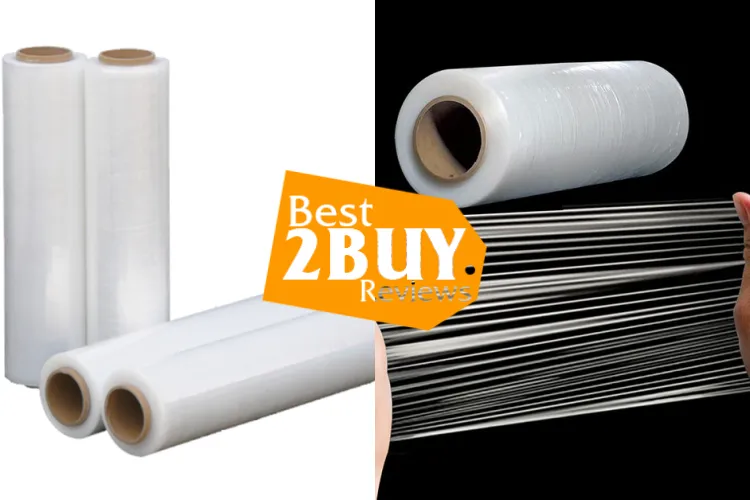
Available in hand stretch film and machine stretch film options
-
Clear versions allow easy visual checks of contents
Cons
-
Plastic waste is a genuine environmental concern
-
Thinner rolls can tear if overstretched
-
Not a substitute for rigid protection
-
Can be tiring to apply manually on large loads
3. Real-world performance and quality
In everyday use, what stands out is how forgiving good-quality stretch film can be. A decent roll stretches smoothly, clings to itself well, and doesn’t snap the moment you apply tension. That self-adhesion is key — no sticky residue left behind, unlike tape.
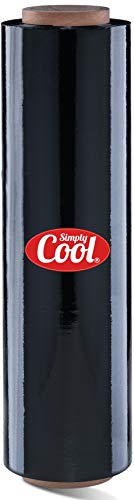
Cast stretch film tends to unwind quietly and evenly, which matters in indoor spaces. Blown stretch film is noisier but generally tougher, making it better suited to heavier or irregular loads. Clear stretch film is most common, though black or opaque options are useful when privacy or UV protection matters.
The main drawback shows up with bargain rolls. Thin, inconsistent packaging film often tears at the edges or loses tension halfway through a wrap. That’s when people end up using more material than planned, which defeats the point of saving money.
4. Who it’s for
Stretch film makes sense for:
-
Small businesses shipping boxes or bundled products
-
Warehouses securing pallets for transport
-
Home users moving furniture or storing seasonal items
-
Anyone needing temporary protection without permanent fasteners
It’s particularly useful when loads change shape or size. If you’re wrapping furniture, stacked boxes, or grouped items, industrial wrap adapts better than rigid straps.
5. Who should avoid it
It’s not ideal if:
-
You’re aiming for a zero-plastic setup
-
Loads require structural support rather than surface stability
-
Items are extremely sharp or abrasive
-
You only need long-term outdoor protection
In those cases, reusable straps, padded covers, or rigid containers may be more practical — even if they cost more upfront.
6. Why consider buying
The real benefit isn’t just containment; it’s flexibility. Stretch film allows you to secure loads quickly without planning exact dimensions. For many users, that saves time more than anything else.
It also reduces damage caused by shifting during transit, which can quietly add up in replacement costs. When chosen carefully, a mid-range roll often offers better value than ultra-cheap options that waste material through tearing.
7. Where to buy for better value
-
Amazon offers the widest range, from budget rolls to professional-grade pallet wrap. Reviews help spot consistency issues.
-
Walmart is convenient for basic hand stretch film, though selection is more limited.
-
Office supply stores often stock reliable mid-quality options suitable for light commercial use.
-
Manufacturer websites usually make sense only for bulk or machine stretch film purchases.
It’s not worth buying the cheapest option if the film tears easily. Even on sale, poor-quality wrap costs more in wasted material and frustration.
8. Frequently asked questions (FAQ)
Is stretch film the same as shrink wrap?
No. Shrink wrap requires heat to tighten, while stretch film relies on elastic tension and self-cling.
What’s the difference between cast and blown stretch film?
Cast film is clearer and quieter to unwind. Blown film is stronger and more puncture-resistant, making it better for heavy loads.
Can hand stretch film be used on pallets?
Yes, for lighter or occasional pallet loads. Frequent pallet wrapping is more efficient with machine stretch film.
Does clear stretch film protect against moisture?
It offers light moisture resistance but isn’t fully waterproof, especially for long-term outdoor exposure.
Is stretch film recyclable?
Many types are recyclable, but availability depends on local recycling programs and proper sorting.
9. Quick verdict
Stretch film is a practical, affordable solution for securing and protecting items, as long as you choose a quality roll suited to your needs. It’s not perfect, but for everyday storage and transport, it quietly does its job well.
10. Final thoughts
I’ve learned that products like this rarely get appreciation until they’re missing. When a load arrives intact or a move goes smoothly, stretch film usually played a part — even if no one noticed. Pick a decent roll, use it thoughtfully, and it’ll repay you in fewer headaches and fewer broken corners.