Studio Audio Monitors Review: Pros, Cons & Buying Advice for Home Studios

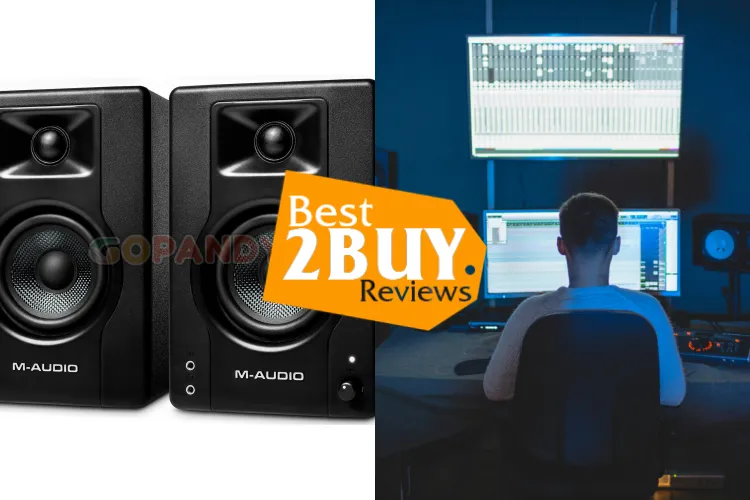
The rain had been doing its usual London thing all morning — light, persistent, easy to ignore with a mug of coffee and some music on in the background. It’s moments like that when decent Studio Audio Monitors really show their value, not just for professionals, but for anyone who actually listens rather than just hears.
1. Product overview
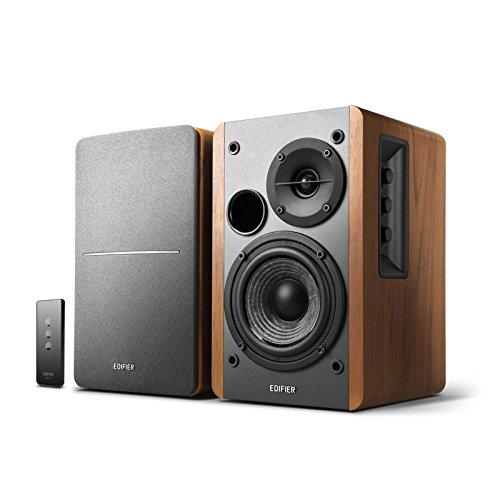
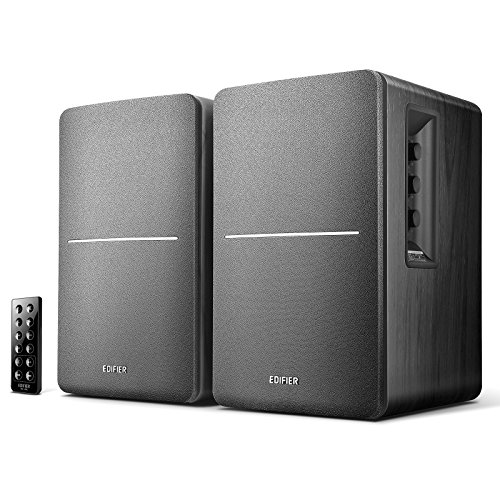
Studio audio monitors are speakers designed to play sound as accurately as possible. Unlike regular home speakers that boost bass or add warmth, these aim for honesty. What you hear is what’s actually in the recording.
People are drawn to them for a simple reason: clarity. Whether you’re editing a podcast, producing music, or just want your playlists to sound closer to how they were recorded, studio monitors strip away the fluff. They solve the problem of coloured sound, where consumer speakers make everything seem better than it really is — until you play it elsewhere.
That accuracy is exactly why they’ve become popular beyond studios, especially among home creators and detail-focused listeners.
2. Pros and cons
Pros
-
Clear, neutral sound that reveals detail
-
Better stereo imaging than most consumer speakers
-
Designed for long listening sessions without fatigue
-
Useful for music production, video editing, and critical listening
Cons
-
Can sound “flat” to listeners used to boosted bass
-
Often need proper placement to perform well
-
Smaller rooms may expose their limitations
-
Entry-level models vary in build quality
3. Real-world performance and quality
In everyday use, good studio monitor speakers stand out for balance. Vocals sit where they should. Instruments don’t blur together. You start noticing things — breaths, room reverb, tiny timing errors — that normal speakers gloss over.
That said, they’re not magic. Budget models can struggle with low-end control, especially without a subwoofer. And if they’re shoved against a wall or set too far apart, even well-reviewed monitors lose their edge.
Build quality depends heavily on brand and price. Some affordable nearfield monitors feel plasticky but still sound respectable. Others look solid but cut corners internally. Reading real user feedback matters here.
4. Who it’s for
Studio monitors make sense if you:
-
Produce music or podcasts at home
-
Edit video or audio regularly
-
Want accurate sound for mixing and mastering
-
Prefer clarity over exaggerated bass
They also work well for listeners who value detail and don’t mind adjusting to a more honest sound signature.
5. Who should avoid it
They’re not ideal if:
-
You want punchy bass without extra equipment
-
Your room is very small or untreated
-
You mostly listen casually at low volumes
-
You prefer a “fun” or cinematic sound profile
In those cases, quality bookshelf speakers or active consumer speakers may be a better fit.
6. Why consider buying
The real benefit isn’t volume or power — it’s trust. When you listen through proper studio reference monitors, decisions become easier. Mixes translate better. Dialogue edits feel more controlled. Even casual listening becomes more engaging once your ears adjust.
They offer practical, long-term value if you actually use their strengths, rather than expecting them to behave like party speakers.
7. Where to buy for better value
-
Amazon often has competitive pricing and easy returns, which is helpful if you’re unsure.
-
Walmart can be good for entry-level models, but selection is limited.
-
Brand websites sometimes include extended warranties or bundled cables and stands.
If a deal looks too good to be true, it usually is. Very cheap monitors with exaggerated specs aren’t worth buying, even on sale. Saving a little longer for a reputable model tends to pay off.
8. Frequently asked questions (FAQ)
Do studio audio monitors need an audio interface?
Most benefit from one. An interface provides cleaner signal and proper balanced outputs, improving sound quality.
Are nearfield monitors good for small rooms?
Yes, nearfield studio monitors are designed for close listening and work well in compact spaces when positioned correctly.
Can studio monitors be used for everyday listening?
Absolutely. Many people use them for music and media, though the sound is more neutral than consumer speakers.
Do I need a subwoofer with studio monitor speakers?
Not always. A sub helps with low-end detail, but it adds complexity and isn’t essential for all users.
9. Quick verdict
Studio audio monitors are about accuracy, not excitement. If you value clarity and honest sound, they’re a smart investment. If not, they may feel underwhelming.
10. Final thoughts
I’ve come to see studio monitors a bit like good lighting — you don’t notice them until they’re wrong. When they’re right, everything else feels easier and more natural. On a quiet afternoon, rain tapping on the window, music playing exactly as it was meant to — that’s when their value really makes sense.
Sources
-
Consumer Reports – Speaker and audio equipment evaluations
-
Official manufacturer specifications from brands such as Yamaha, KRK, and JBL
-
Statista – Home audio and music production market data