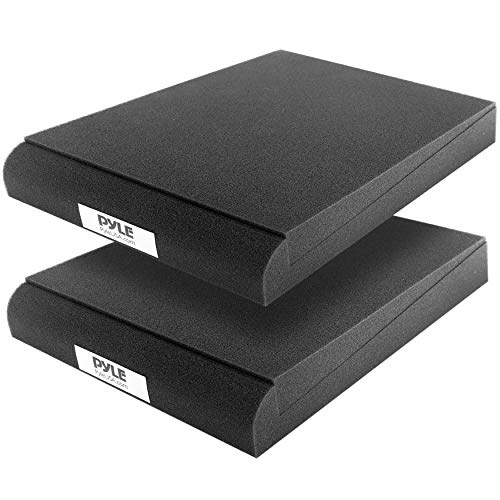
Studio Acoustical Treatments Review: What Really Improves Room Sound

The rain’s been tapping on my window most of the morning, the kind that makes you notice small sounds you usually ignore. It’s also the sort of day that reminds me why so many people start thinking about Studio Acoustical Treatments—once you hear unwanted noise or echo, it’s hard to un-hear it.
1. Product overview
Studio acoustical treatments are purpose-built panels, bass traps, diffusers, and foam products designed to control sound inside a room. They don’t “soundproof” a space in the Hollywood sense. Instead, they manage reflections, reduce echo, and tighten up how audio behaves within four walls.
People look into them when home recordings sound hollow, podcast voices feel harsh, or music mixes don’t translate well to headphones or speakers. With more home studios, gaming setups, and remote workspaces across the US and Europe, interest has grown steadily.
At their core, these treatments aim to make a room more honest-sounding—less room noise, more clarity.

2. Pros and cons
Pros
-
Noticeably reduces echo and room reverb
-
Improves clarity for vocals, music, and speech
-
Available in different styles, from discreet panels to decorative designs
-
Scales well: you can start small and add more later
Cons
-
Does not fully block outside noise
-
Proper placement matters more than quantity
-
Quality products aren’t cheap
-
Foam-only setups can be limiting for low frequencies
3. Real-world performance and quality
In real rooms—not idealized studios—acoustic treatment tends to make the biggest difference in mid and high frequencies. Speech becomes clearer, claps stop ringing, and recordings feel more controlled.
What genuinely stands out with well-made acoustic panels is consistency. Materials tested for sound absorption (often measured by NRC ratings) behave predictably, which helps when tuning a room.
Drawbacks usually show up at the low end. Without bass traps, even expensive setups can still sound boomy. Cheaper foam tiles also degrade over time, especially in humid environments.
4. Who it’s for
Studio acoustical treatments work best for:
-
Home recording musicians and producers
-
Podcasters and voice-over creators
-
Gamers and streamers who want cleaner mic sound
-
Remote workers spending long hours on calls
If you’re working in a spare room, basement, or apartment studio, acoustic room treatment can make a noticeable difference without structural changes.
5. Who should avoid it
You may want to skip—or delay—buying if:
-
You expect full soundproofing from neighbors or traffic
-
You’re in a temporary space and can’t mount panels
-
You only need casual listening improvements
In these cases, alternatives like portable vocal booths or simple room rearrangement may be more practical.
6. Why consider buying
Beyond marketing claims, the real benefit is confidence. When you hear a truer version of your voice or mix, decisions come easier. Less guessing, fewer re-recordings.
For many users, even basic sound absorption panels reduce fatigue during long sessions. That comfort adds value over time, especially if audio work is part of your routine.
7. Where to buy for better value
-
Amazon: Wide selection and easy returns, but quality varies widely
-
Walmart: Limited range, often entry-level options
-
Brand websites: Higher prices, but clearer specifications and tested materials
It’s not always worth buying on sale. Deeply discounted foam with no published absorption data often disappoints, even at low prices. Paying slightly more for verified specs usually saves money in the long run.
8. Frequently asked questions (FAQ)
Do studio acoustical treatments really work in small rooms?
Yes, especially for echo control and vocal clarity. Small rooms often benefit the most from proper sound absorption.
Are acoustic foam panels enough on their own?
They help with high frequencies, but bass traps are usually needed for balanced audio treatment.
What’s the difference between soundproofing and acoustic treatment?
Soundproofing blocks sound from entering or leaving a space. Acoustic treatment improves how sound behaves inside the room.
How many panels do I need?
It depends on room size and use. Most setups start with panels at reflection points and add bass traps if needed.
9. Quick verdict
Studio acoustical treatments are worth considering if clarity matters to you. They won’t fix everything, but used correctly, they make everyday audio work easier and more predictable.
10. Final thoughts
I’ve learned that good sound isn’t about perfection—it’s about fewer distractions. When a room stops fighting back, you focus better, work faster, and enjoy the process more. On quiet afternoons like this, that alone feels like a small upgrade to daily life.