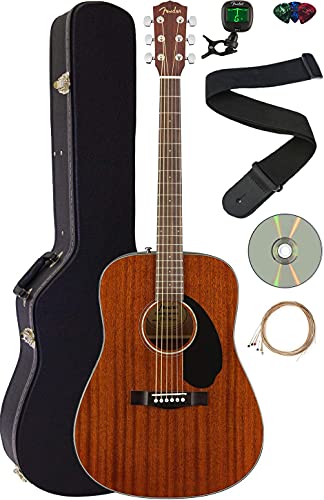
Steel-String Acoustic Guitars Review: Pros, Cons, and Who They’re Really For

The rain’s been doing its usual thing outside my window this morning, tapping away while I make coffee and noodle around with a few chord progressions. It’s a familiar routine, and it’s usually when I’m reminded why steel-string acoustic guitars still hold such a solid place in so many homes, studios, and living rooms.
1. Product overview
Steel-string acoustic guitars are exactly what the name suggests: acoustic guitars fitted with steel strings rather than nylon. That simple difference changes a lot.
They’re popular because they’re versatile. You’ll see them used for folk, pop, country, blues, light rock, and singer-songwriter styles. People are drawn to them for their brighter tone, stronger projection, and the fact that you don’t need an amp to fill a room.
For many players, the appeal is straightforward: one instrument that works for practice, casual performances, recording demos, or just unwinding at the end of the day.

2. Pros and cons
Pros
-
Clear, bright sound with good volume
-
Works well for strumming and fingerpicking
-
Wide range of body shapes and price points
-
Easy to find accessories, strings, and replacements
Cons
-
Steel strings can feel stiff for beginners
-
Cheaper models may struggle with tuning stability
-
Larger bodies aren’t always comfortable for smaller players
3. Real-world performance and quality
In everyday use, what stands out most is projection. A decent steel-string acoustic guitar doesn’t need much encouragement to be heard. Even entry-level models tend to sound lively once they’re properly set up.
Build quality matters more than brand names here. Solid tops generally age better and sound richer over time, while laminated backs and sides help keep costs down. Hardware quality is another quiet factor — poor tuners can turn practice into a chore.
One drawback I hear repeatedly from new players is finger fatigue. Steel strings demand a bit more finger strength, especially during the first few weeks. It’s manageable, but it’s something to be aware of.
4. Who it’s for
This type of guitar suits:
-
Beginners who want a flexible, all-round instrument
-
Songwriters who mainly strum or mix light fingerstyle
-
Casual players who want volume without electronics
-
Anyone playing folk, pop, or acoustic rock
If you enjoy singing while playing, the sound profile fits vocals nicely without much effort.
5. Who should avoid it
Steel-string acoustic guitars aren’t ideal if:
-
You have hand or joint issues that make stiff strings uncomfortable
-
You’re focused on classical or flamenco styles
-
You need a very compact instrument for travel
In those cases, a nylon-string acoustic or a small travel guitar may be a better match.
6. Why consider buying
The real value here is simplicity. No cables, no batteries, no setup beyond tuning. You can pick it up, play for ten minutes, or lose an entire evening without thinking about gear.
They also scale well with skill. A beginner can start on a modest model and still appreciate it years later for practice or songwriting.
7. Where to buy for better value
-
Amazon offers convenience and competitive pricing, but quality control can vary. Always check return policies.
-
Walmart tends to focus on budget-friendly models, suitable for beginners but hit-or-miss in consistency.
-
Brand websites or specialist music retailers usually cost more, but you’re paying for setup, support, and reliability.
If a guitar feels poorly built or uncomfortable, it’s not worth buying — even at a deep discount.
8. Frequently asked questions (FAQ)
Are steel-string acoustic guitars good for beginners?
Yes, many beginners start with them, but lighter-gauge strings can help with comfort.
What body shape is best for everyday playing?
Dreadnoughts offer volume, while concert or auditorium bodies are often more comfortable.
Do steel strings wear out quickly?
With regular playing, strings typically last a few months before tone dulls.
Can I use steel strings on any acoustic guitar?
No. Nylon-string guitars aren’t built for steel-string tension.
9. Quick verdict
Steel-string acoustic guitars remain a practical, reliable choice for a wide range of players. They’re not perfect for everyone, but for versatility and value, they’re hard to ignore.
10. Final thoughts
There’s something grounding about having an instrument that doesn’t demand much — just a quiet corner and a bit of time. Whether you’re learning your first chords or revisiting old songs on a grey afternoon, a well-chosen steel-string acoustic guitar can feel like a steady companion rather than just another purchase.
Sources
-
Official manufacturer specifications from Yamaha, Martin, and Taylor
-
Consumer Reports: Acoustic guitar buying considerations
-
Statista: Global guitar market trends and usage patterns