
Computer Recording MIDI Controllers: A Calm, Practical Buying Guide

Some mornings, before the Texas heat really sets in, I sit with a book and a cup of coffee and listen to the house wake up. Music has a way of fitting into those quiet edges of the day. For a lot of people, MIDI controllers are how that music begins—without noise, without fuss, just hands on keys or pads and an idea slowly taking shape.
Product overview
MIDI Controllers are input devices used to control software instruments and recording programs on a computer or tablet. They don’t make sound on their own. Instead, they send digital signals—notes, velocity, modulation—to a digital audio workstation (DAW) or music app.
The everyday problem they solve is simple: using a mouse to make music feels clumsy. A controller gives you physical keys, pads, or knobs so ideas come out more naturally. People care because it can turn music-making from a technical chore into something closer to playing an instrument, even if you live in an apartment or work late at night with headphones on.
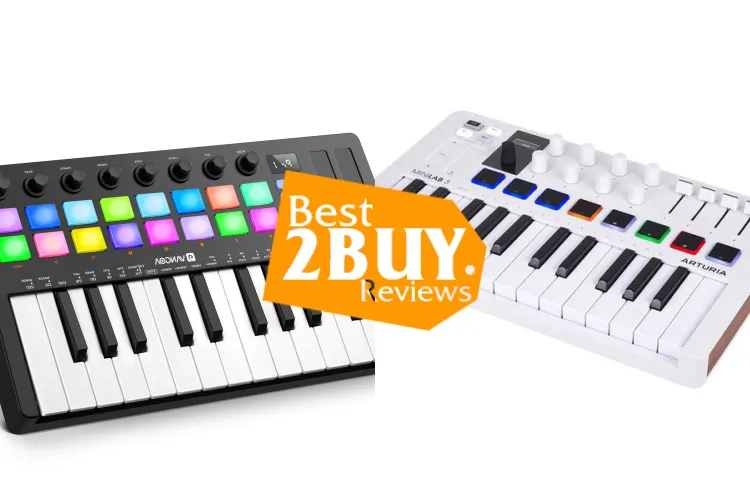
Common features you’ll see across the category include:
-
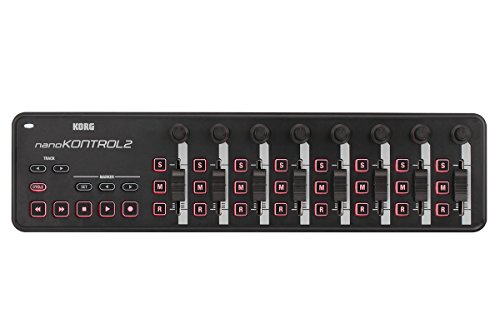
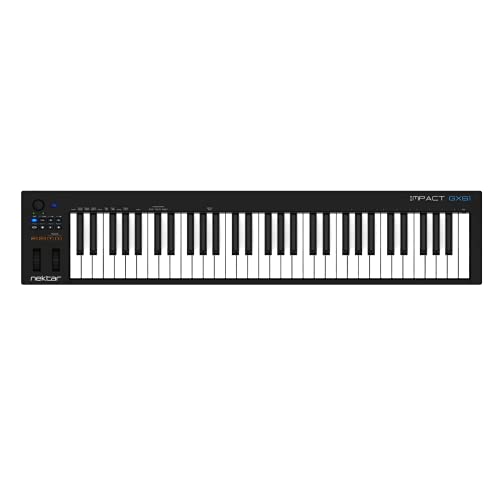
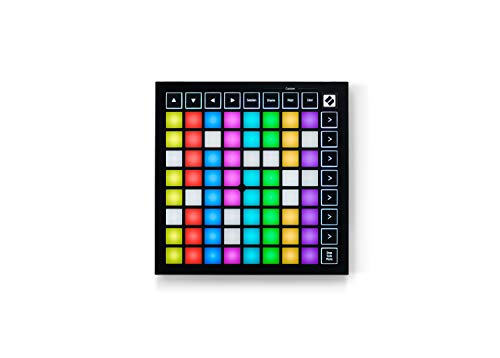
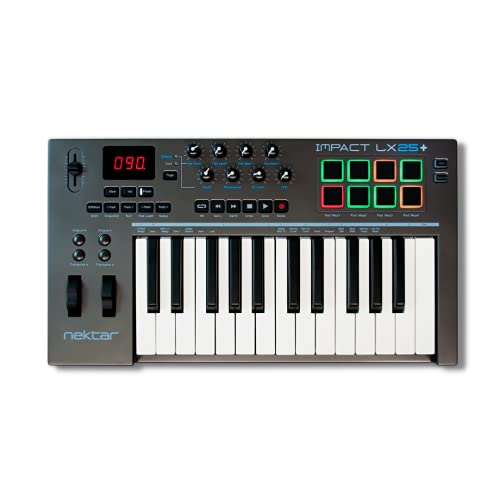
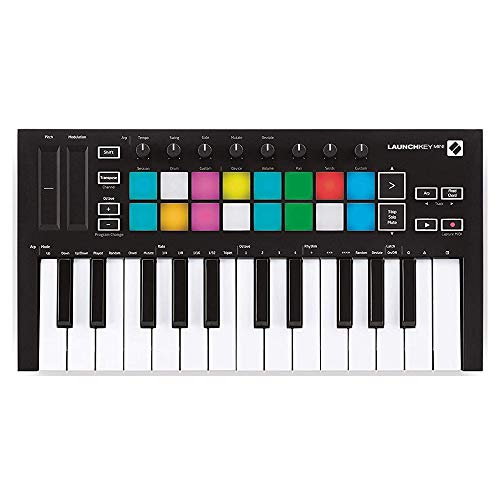
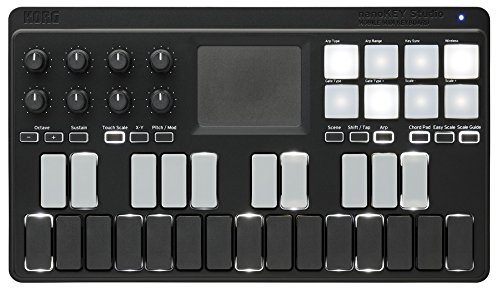
Piano-style keys or drum pads
-
USB connectivity for computers
-
Compatibility with popular DAWs
-
Assignable knobs and sliders for sound control
Pros and cons
Pros
-
Makes digital music creation more intuitive
-
Wide range of sizes and layouts for different spaces
-
Generally affordable compared to traditional instruments
-
Quiet practice with headphones or monitors
Cons
-
No sound without software or a device
-
Cheaper models can feel flimsy over time
-
Setup can be frustrating for beginners
-
Key action often isn’t comparable to an acoustic piano
Real-world performance and quality
In daily use, what stands out most is build quality and key feel. Over time, lightweight plastic bodies can start to creak, especially if you move the controller around a lot. Keys on entry-level MIDI Controllers tend to be springy and shallow. That’s fine for sketching ideas, but if you play for long sessions, finger fatigue is real.
Pads and knobs are where differences show up quickly. Better models have pads that respond evenly across the surface and knobs that don’t wobble. USB-powered units are convenient, but they rely on stable connections. A loose cable can interrupt a session fast, which is never pleasant when you’re in a flow.
From personal use and user feedback, reliability matters more than extra features. A simpler controller that keeps working tends to age better than a flashy one with software you stop using after a month.
Who it’s for
MIDI Controllers make sense for people who:
-
Produce music at home or in small studios
-
Travel and want a lightweight creative tool
-
Compose quietly using headphones
-
Prefer hands-on control instead of clicking with a mouse
They’re especially practical for beginners learning music production and for experienced musicians who don’t have space for full-sized instruments.
Who should avoid it
This category isn’t ideal if:
-
You want an instrument that makes sound on its own
-
You expect weighted, piano-like keys
-
You dislike software setup and troubleshooting
If your main goal is traditional piano practice, a digital piano with built-in speakers is usually a better fit. Guitarists who prefer tactile strings may also find controllers uninspiring.
Why consider buying
At the end of the day, MIDI Controllers are about practicality. They offer a long-term way to create music without noise complaints, heavy gear, or large investments. They’re not magical, and they won’t replace skill or practice, but they do remove friction between an idea and hearing it played back.
For many people, that alone is worth it. Just be honest about how you’ll use it and how often. Sitting unused on a shelf helps no one.
Where to buy for better value
Amazon usually has the widest selection and competitive pricing, especially for well-known brands. On Best2Buy.reviews, readers can click product links that redirect to Amazon for fast, secure checkout. It’s convenient, particularly if you value easy returns.
Walmart sometimes offers good prices on entry-level models, though availability can be limited. Official brand websites are useful for warranty details and bundled software, but prices are often higher.
Even on sale, a controller isn’t worth buying if it doesn’t fit your setup or space. A bargain you don’t use is still money spent.
Frequently asked questions (FAQ)
Do MIDI Controllers work with all music software?
Most work with major DAWs, but compatibility depends on drivers and mapping. Always check the manufacturer’s specifications.
Do I need speakers to use one?
No. Headphones work fine, and many people prefer them for quiet sessions.
Are smaller keyboards harder to use?
They can be. Compact controllers save space but limit range. It’s a trade-off, not a flaw.
How long do they usually last?
With normal home use, several years. Durability depends on build quality and how often you move it.
Quick verdict
MIDI Controllers are practical tools, not instruments of magic. They’re useful, flexible, and worth it for the right person, but they ask for patience and realistic expectations.
Final thoughts
Music has a way of meeting us where we are. For some, that’s a grand piano. For others, it’s a modest controller on a desk by the window. I’m Maria, and I’ve learned that choosing tools is less about chasing features and more about fitting real life.