
Combo Guitar Amplifiers for Real-Life Playing

Some mornings I play a few quiet chords before the house really wakes up. Coffee still brewing, Texas light coming through the window. That’s usually when I’m most aware of what an amp brings into daily life—not just volume or tone, but how easy it is to live with over time. Combo amps tend to find their way into these moments, for better or worse.
Product overview
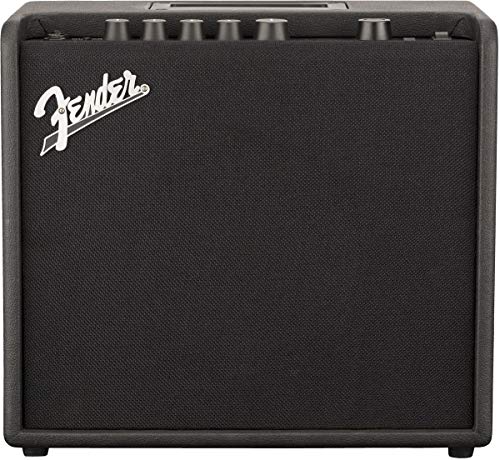
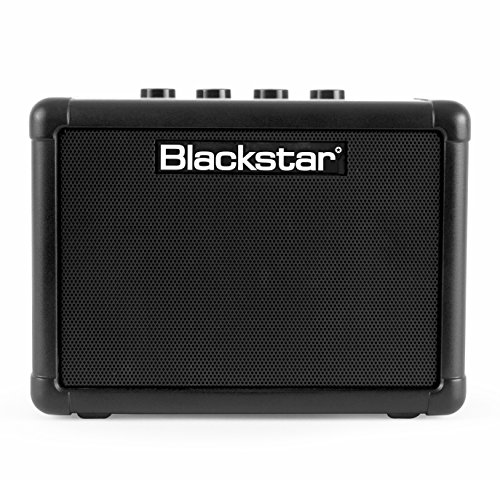
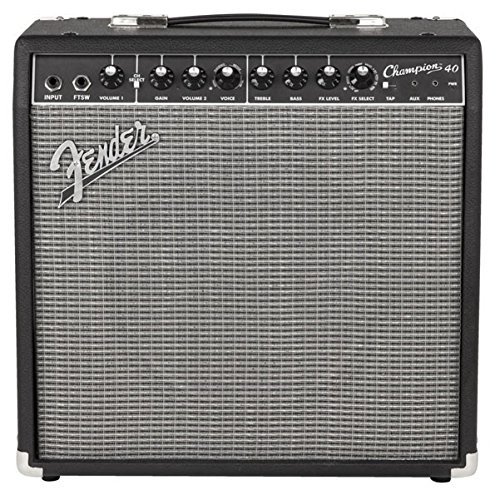
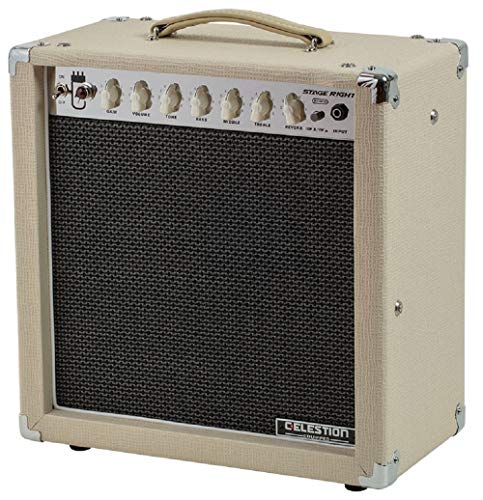
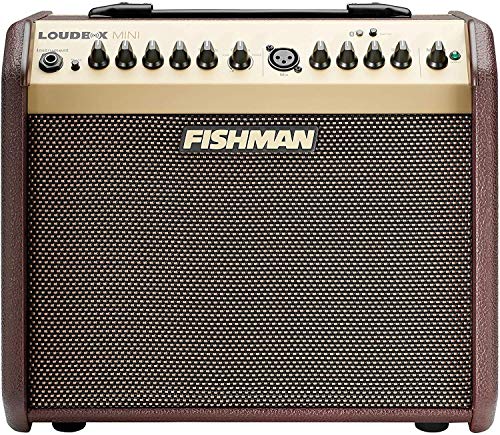
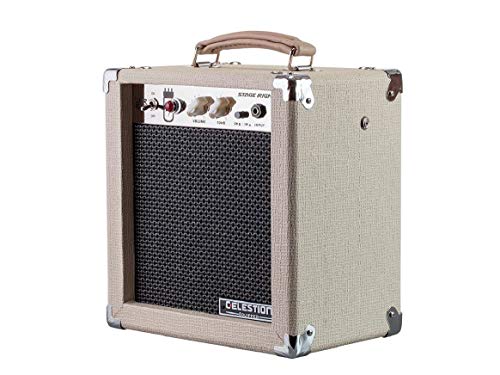
Combo Guitar Amplifiers are all-in-one units that combine the amplifier and speaker in a single cabinet. They solve a simple, very real problem: most guitar players want a usable sound without hauling separate heads and cabinets around.
People care about combo amps because they’re practical. You plug in, turn a few knobs, and play. For home practice, small gigs, or shared living spaces, they often make more sense than larger, modular setups. Over the years, manufacturers have also packed them with features—built-in effects, headphone jacks, and digital modeling—that weren’t common a generation ago.
From a factual standpoint, combo amps come in two main types: solid-state and tube (with hybrids and modeling amps sitting in between). Wattage typically ranges from 5 to 100 watts, with speaker sizes from 8 to 12 inches being the most common, according to official manufacturer specifications from brands like Fender, Roland, and Vox.
Pros and cons
Pros
-
All-in-one design is easy to set up and store
-
Generally more affordable than separate amp head and cabinet setups
-
Portable enough for practice rooms and small venues
-
Many models include onboard effects and headphone outputs
-
Fewer cables and components to maintain
Cons
-
Limited upgrade flexibility compared to separate components
-
Heavier models can still be awkward to move alone
-
Speaker quality varies widely at lower price points
-
Tube versions need more maintenance over time
-
Not always ideal for very large stages or high-volume bands
Real-world performance and quality
In everyday use, combo amps are about consistency. Once you’ve lived with one for a few months, you start noticing the details: how smoothly the knobs turn, whether the handle digs into your hand, and how the tone holds up at lower volumes.
Solid-state models tend to be reliable and forgiving. They’re less sensitive to temperature changes and can sit quietly in a corner for weeks without complaint. Tube amps, on the other hand, often sound warmer and more dynamic, but they ask for a little care—proper warm-up time, occasional tube replacements, and gentle handling.
Speaker size matters more than most people expect. A 10-inch speaker often feels tighter and more focused, while a 12-inch speaker fills a room more naturally. Built-in effects can be convenient, though in real life I find myself using just one or two regularly. The rest are nice to have, not essential.
Durability varies by brand and price tier. Mid-range combo amps generally hold up well for years of home use, based on long-term user feedback and manufacturer build specs.
Who it’s for
This type of amplifier makes sense for:
-
Home players who value simplicity and manageable volume
-
Beginners who don’t want to deal with multiple components
-
Gigging musicians playing small venues or coffeehouse shows
-
Players who practice regularly and want something always ready
It’s also a good fit for anyone living in an apartment or shared space, where controlled volume and headphone options matter more than raw power.
Who should avoid it
Combo amps aren’t ideal for everyone. You may want to look elsewhere if:
-
You play large venues and need more stage volume and flexibility
-
You enjoy customizing your setup with different cabinets
-
You already own high-quality speakers and want to use them
-
You dislike lifting heavier gear, even short distances
In those cases, a separate amp head with a lightweight cabinet, or even a direct modeling setup, may be more practical.
Why consider buying
The real value of a combo amp shows up over time. It’s not flashy, but it does the job day after day. You spend less time wiring gear and more time playing. For many musicians, that trade-off is worth it.
They’re also cost-effective in the long run. Fewer components mean fewer things to replace or troubleshoot. Even so, not every model is a good buy—ultra-cheap options often cut corners on speakers and controls, which becomes noticeable fast.
Where to buy for better value
Pricing for combo amps is fairly consistent across major retailers. Amazon often has the widest selection and quick shipping. On Best2Buy.reviews, readers can click product links that redirect to Amazon for fast, secure checkout, which is convenient if you already shop there.
Walmart sometimes offers competitive pricing on entry-level models, though selection is usually limited. Official brand websites can be worth checking for warranty details and occasional promotions, but they’re rarely the cheapest option.
If a model feels flimsy or underpowered at full price, it’s usually not worth buying even on sale.
Frequently asked questions (FAQ)
Are combo guitar amplifiers good for beginners?
Yes, they’re often easier to manage and more affordable, with fewer setup steps.
How much wattage do I actually need?
For home use, 10–20 watts is usually plenty. Small gigs may need 30–50 watts, depending on the venue.
Do built-in effects replace pedals?
They can cover basics, but many players still prefer dedicated pedals for tone shaping.
Are tube combo amps louder than solid-state ones?
Tube amps often feel louder at the same wattage, but volume perception varies by speaker and room.
How long do combo amps typically last?
With reasonable care, many last a decade or more, based on user reports and manufacturer data.
Quick verdict
Combo Guitar Amplifiers are practical, dependable tools. They’re not the most flexible option, but for everyday playing, they make life simpler.
Final thoughts
I’ve learned to appreciate gear that stays out of the way and lets the music happen. Combo amps aren’t glamorous, but they earn their place through quiet reliability. If this piece helped you sort through the noise a little, I’m glad you spent the time here with me.