
Brass Instrument Cleaning & Care Products: A Practical Look

Some mornings, when the house is still quiet and the coffee hasn’t quite kicked in, I’ll wipe down the old trumpet my nephew left here years ago. It’s a small ritual, a little like dusting books you’ve already read but aren’t ready to give away. Brass instruments have a way of holding onto memories, and taking care of them is part maintenance, part respect.
Product overview
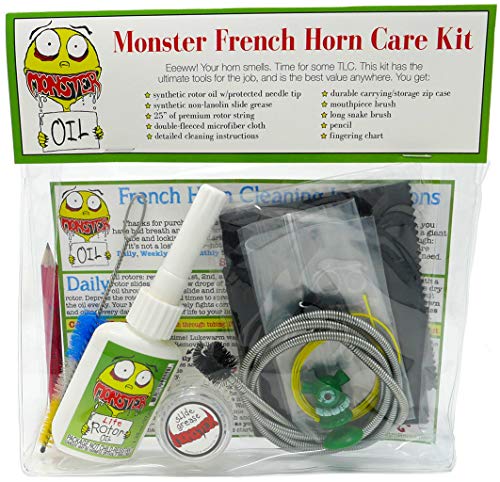
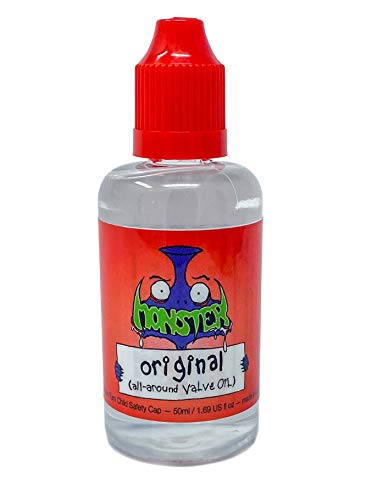
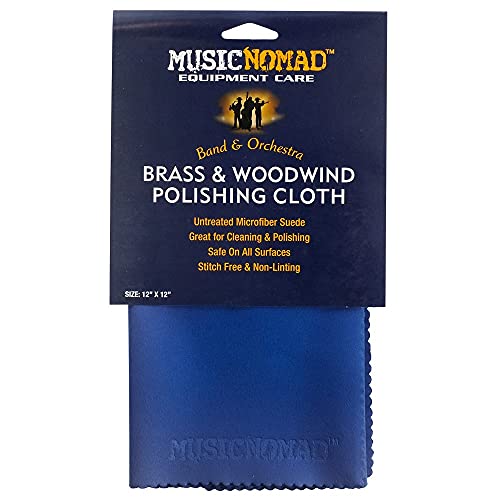
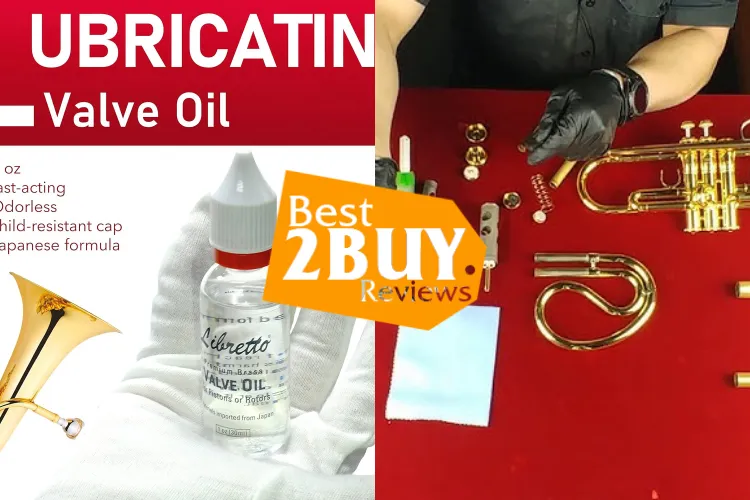
Brass Instrument Cleaning & Care Products are a broad category rather than a single item. They include valve oils, slide greases, cleaning brushes, polishing cloths, and full cleaning kits designed to keep trumpets, trombones, tubas, and horns playing smoothly and looking decent over time.
The everyday problem they solve is simple: moisture, saliva, and dust build up fast inside brass instruments. Without regular care, valves stick, slides get sluggish, and corrosion can quietly shorten the life of an instrument. People care because even modest student instruments aren’t cheap, and repairs add up quicker than most expect.
Pros and cons
Pros
-
Help extend the usable life of brass instruments
-
Improve valve action and slide movement with regular use
-
Most products are affordable and easy to find
-
Simple maintenance can prevent costly repairs later
Cons
-
Quality varies widely between brands
-
Over-cleaning or wrong products can cause damage
-
Some kits include items you may never use
-
Polishing products can wear down lacquer if misused
Real-world performance and quality
In daily use, these products tend to show their value slowly rather than all at once. A decent valve oil keeps things moving quietly and evenly, especially in dry climates like much of Texas. Slide grease, when applied sparingly, can make tuning adjustments smoother without feeling sticky.
Over time, you notice whether brushes hold their shape, whether cloths leave residue, and whether oils dry out too fast. From my experience and from long-term user feedback, simpler formulas often perform more consistently than fancy, heavily scented ones. According to manufacturer specifications from brands like Yamaha and Bach, neutral, non-abrasive cleaners are recommended to protect lacquer and plating, which lines up with what repair technicians often advise.
Who it’s for
These products make sense for:
-
Students playing regularly in school bands
-
Adult hobbyists who practice weekly at home
-
Parents maintaining a child’s instrument between professional cleanings
-
Community band members who want reliable, low-effort upkeep
If you’re playing even a couple of times a week, basic brass instrument care products are more necessity than luxury.
Who should avoid it
You may want to skip most at-home cleaning products if:
-
You own a rare or vintage instrument with fragile finishes
-
You’re unsure how to disassemble valves or slides safely
-
You rely exclusively on professional cleanings and servicing
In those cases, it’s often safer to use only a soft cloth and leave deeper maintenance to a repair shop. Consumer Reports has noted in other product categories that improper DIY maintenance can void warranties, and the same logic applies here.
Why consider buying
The practical value is in prevention. Regular, gentle care reduces friction, moisture damage, and buildup inside the instrument. Over years, that can mean fewer repairs and more consistent sound.
That said, not every kit is worth the price. If a set includes aggressive polish or unnecessary extras, even a discount doesn’t always justify it. A few well-chosen basics often work better than an all-in-one box you barely open.
Where to buy for better value
Amazon usually has the widest selection and competitive pricing, especially for individual items like valve oil or cleaning snakes. On Best2Buy.reviews, readers can click product links that redirect to Amazon for fast, secure checkout, which is convenient if you already shop there.
Walmart can be hit or miss. Prices are sometimes lower, but selection and brand consistency vary by location.
Official brand websites often cost more, but they’re a safer bet if you want exact manufacturer-approved products. For specialty instruments, that extra cost can be worth it. If a product seems overpriced everywhere, even on sale, it’s usually fine to pass.
Frequently asked questions (FAQ)
How often should brass instruments be cleaned?
Light cleaning, like wiping and oiling valves, is usually done weekly. Deeper internal cleaning is often recommended every few months, depending on use.
Are all brass instrument cleaning products safe for lacquer finishes?
No. Always check manufacturer guidelines. Many recommend non-abrasive, pH-neutral products to avoid damaging finishes.
Can household cleaners be used instead?
It’s not advised. Harvard Health has emphasized that harsh chemicals can damage metals and coatings, which applies here as well.
Do beginners really need a full cleaning kit?
Not always. A valve oil, soft cloth, and basic brush often cover most needs early on.
Quick verdict
Brass Instrument Cleaning & Care Products are quietly useful when chosen carefully. The basics work, the extras are optional, and misuse is where most problems start.
Final thoughts
Taking care of a brass instrument is a bit like tending a well-loved kitchen knife or an old bicycle. It doesn’t need constant attention, just steady, thoughtful care. I’ve learned that less fuss usually leads to better results.