
Surface Grinding Wheels Review: How to Choose the Right Wheel for Precision Metal Work

The kettle was still warming up this morning, rain tapping softly against the window, when I realised how often people underestimate the importance of the “boring” tools in a workshop. Surface grinding wheels fall firmly into that category—rarely talked about, but absolutely critical once you start working with metal seriously.
1. Product overview
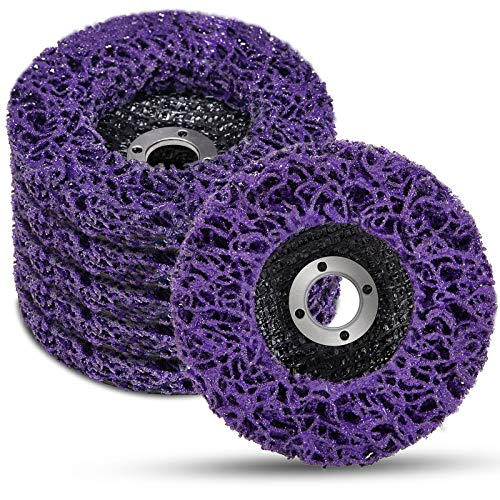
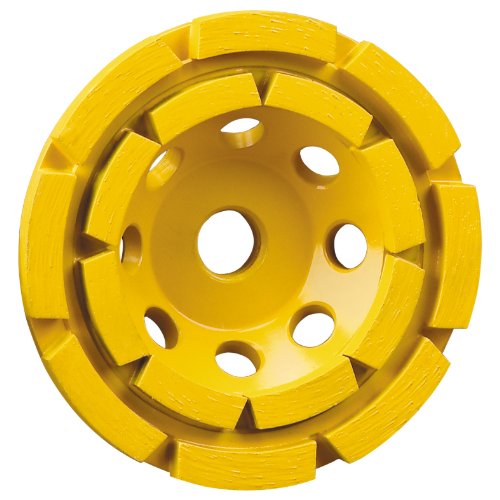
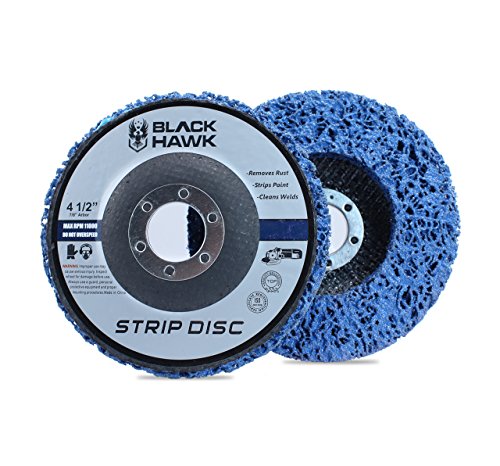
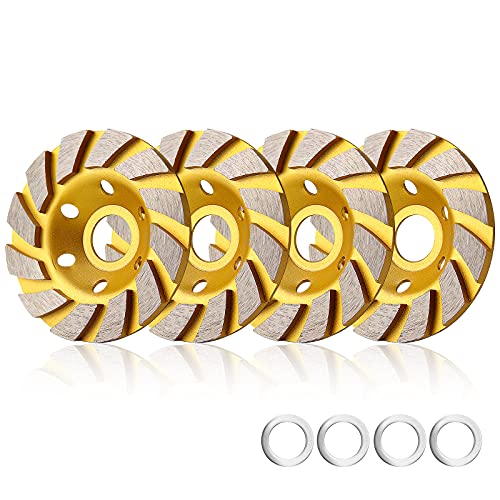
Surface grinding wheels are abrasive wheels designed for precision grinding, smoothing, and finishing flat metal surfaces. You’ll typically see them used on surface grinders in workshops, fabrication shops, and by serious DIY users who need consistent accuracy.
Their main job is simple: remove material evenly while maintaining flatness and tight tolerances. People are interested in them because the right grinding wheel can dramatically improve surface finish, reduce rework, and extend the life of both the machine and the workpiece. The wrong one, on the other hand, leads to chatter marks, overheating, and wasted time.

2. Pros and cons
Pros
-
Deliver precise, flat finishes on steel, stainless steel, and cast iron
-
Wide range of abrasive materials and grit sizes for different tasks
-
Consistent results when matched correctly to the grinder and material
-
Long service life when used within rated speeds
Cons
-
Incorrect wheel selection can cause burning or uneven wear
-
Requires proper setup and dressing for best results
-
Not beginner-friendly without basic grinding knowledge
-
Quality wheels cost more upfront than generic options
3. Real-world performance and quality
In real workshop conditions, surface grinding wheels show their value through consistency. A well-made wheel cuts cleanly, runs true, and maintains its shape longer, reducing downtime for dressing. Aluminum oxide wheels perform reliably on most steels, while silicon carbide wheels shine on non-ferrous metals and harder materials.
One noticeable drawback is heat management. Lower-quality wheels tend to glaze quickly, increasing friction and heat. Better wheels balance cutting efficiency with controlled wear, which helps prevent surface burns and micro-cracks—especially important when working on precision parts.
4. Who it’s for
Surface grinding wheels make sense for:
-
Professional machinists and metal fabricators
-
Workshop owners running surface grinders regularly
-
Skilled DIY users restoring tools or machining flat components
-
Anyone who values accuracy over speed
They’re particularly useful when surface finish and dimensional accuracy matter more than aggressive material removal.
5. Who should avoid it
You may want to look elsewhere if:
-
You only need rough grinding or deburring
-
You don’t own or plan to use a surface grinder
-
You prefer low-maintenance tools with minimal setup
-
Budget is extremely tight and precision isn’t critical
For basic grinding jobs, bench grinder wheels or flap discs are often more practical and forgiving.
6. Why consider buying
The real value of surface grinding wheels lies beyond marketing claims. They save time by reducing rework, protect expensive machinery, and deliver finishes that simply aren’t achievable with general-purpose abrasives. Over time, a quality wheel often costs less per job than cheaper alternatives due to slower wear and fewer mistakes.
7. Where to buy for better value
-
Amazon offers convenience and a broad range, but quality varies widely between brands.
-
Walmart stocks limited options, mostly suitable for light-duty users.
-
Manufacturer websites or industrial suppliers usually provide the best specifications, consistency, and support.
If a wheel lacks clear speed ratings or material compatibility details, it’s not worth buying—even at a discount. Precision tools demand transparency.
8. Frequently asked questions (FAQ)
What grit size is best for surface grinding steel?
Medium grits (46–60) are commonly used for general steel grinding, balancing material removal and surface finish.
Are aluminum oxide grinding wheels good for surface grinders?
Yes, aluminum oxide is widely used for ferrous metals and offers reliable performance in surface grinding applications.
How often should a surface grinding wheel be dressed?
Dressing frequency depends on material and workload, but regular dressing maintains cutting efficiency and surface quality.
Can surface grinding wheels be used on bench grinders?
They’re designed specifically for surface grinders. Using them on other machines is unsafe and not recommended.
9. Quick verdict
Surface grinding wheels are essential precision tools. Chosen carefully and used correctly, they deliver consistent results and long-term value. They’re not casual purchases—but for the right user, they’re absolutely worth it.
10. Final thoughts
Tools like these rarely get the spotlight, yet they quietly shape the quality of finished work. From my perspective, a good surface grinding wheel is less about brand loyalty and more about understanding your material and machine. Make that match correctly, and the results speak for themselves—no noise, no drama, just clean, accurate surfaces.