
Television Stands Review: Practical Pros, Cons, and Buying Advice

The rain’s been tapping against my flat window all morning, the kettle’s been on more than once, and I’ve been quietly staring at the TV corner thinking about how much a simple stand can change a living room. Not the television itself — just what it sits on. It’s one of those everyday things you don’t think about until it’s wrong.
1. Product overview
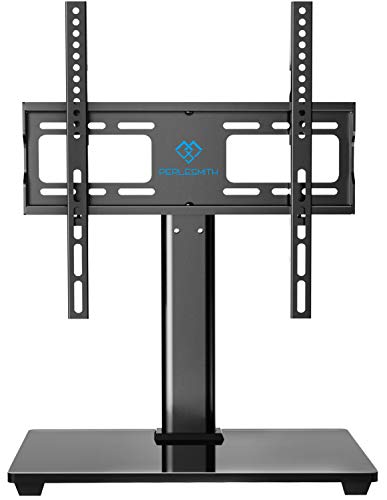
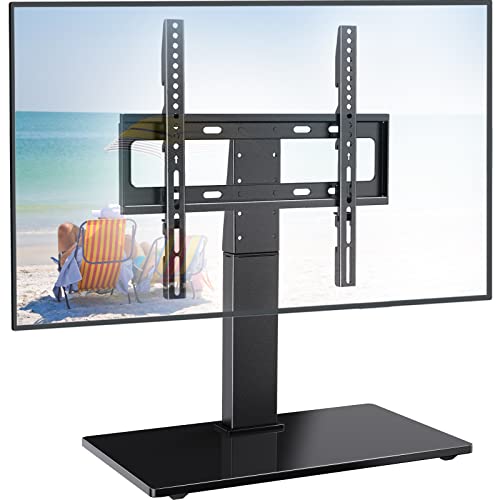
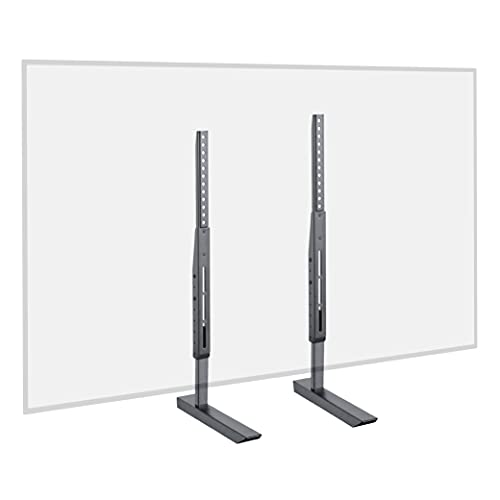
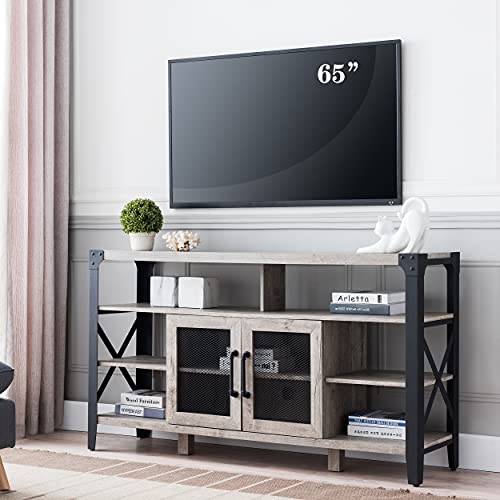
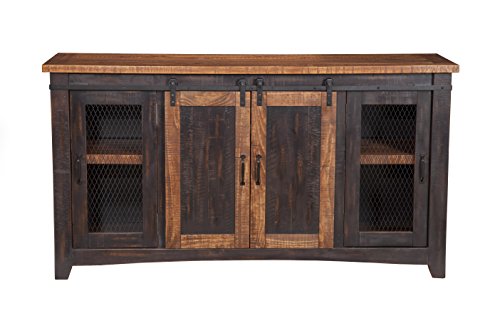
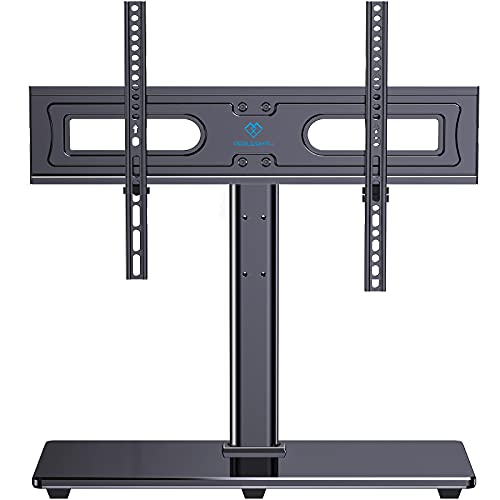
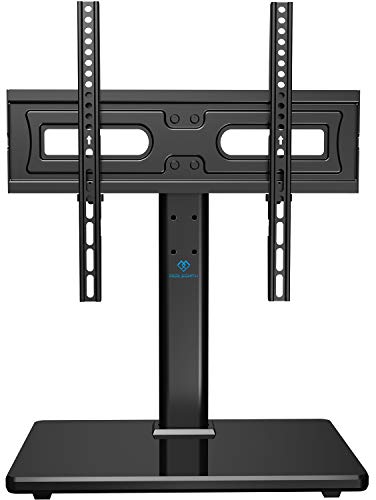
Television stands are exactly what they sound like: furniture designed to support your TV safely while also handling cables, devices, and the general clutter that comes with modern viewing. Beyond holding the screen, a good stand keeps everything stable, organised, and at a comfortable viewing height.
People tend to look for television stands when wall mounting isn’t practical, when renting limits drilling, or when they want storage for consoles, soundbars, or streaming boxes. For many households, it’s also about balancing style with function — something that doesn’t dominate the room but still feels solid and dependable.

2. Pros and cons
Pros
-
No wall drilling or permanent installation
-
Easier to reposition compared to wall mounts
-
Built-in storage for media devices and accessories
-
Wide range of styles, materials, and sizes
-
Generally more affordable than custom media units
Cons
-
Takes up floor space
-
Some models struggle with cable management
-
Stability varies widely between budget and premium options
-
Not ideal for very large TVs unless properly rated
3. Real-world performance and quality
In everyday use, the biggest difference between decent and disappointing television stands comes down to build quality. Solid wood, engineered wood with thick panels, or metal frames tend to hold up well over time. Thin particle board models can look fine initially but may sag or wobble after a year or two, especially under heavier TVs.
Cable management is another real-world test. Many stands promise neat cable routing, but in practice, smaller cutouts or poorly placed holes can still leave wires visible. Models with open backs or wider cable channels generally work better for households with gaming consoles or sound systems.
One thing that consistently stands out in user feedback is stability. According to Consumer Reports, tip-over risks are a genuine concern with taller furniture, particularly in homes with children or pets. Weight ratings matter more than aesthetics here, and anchoring options are a quiet but valuable feature when available.
4. Who it’s for
Television stands make sense for:
-
Renters who can’t mount TVs on walls
-
People who rearrange rooms occasionally
-
Homes needing storage for media players and accessories
-
Viewers using small to mid-sized televisions
-
Anyone wanting flexibility without permanent fixtures
They’re especially practical in apartments or shared spaces where adaptability matters more than a built-in look.
5. Who should avoid it
You may want to skip a television stand if:
-
You’re using an extra-large TV and lack floor space
-
You want a minimalist, floating-screen aesthetic
-
You need maximum child-proofing without anchors
-
You already have a built-in media wall
In these cases, wall mounts or custom cabinetry often offer better long-term solutions.
6. Why consider buying
What television stands do well is simplicity. They’re easy to assemble, easy to replace, and easy to live with. There’s no commitment to one layout, and upgrading your TV later doesn’t usually mean redoing the whole setup.
From a value perspective, they also bridge the gap between temporary furniture and permanent installations. Statista data shows steady demand for TV furniture across Europe and North America, largely driven by renters and smaller living spaces — a sign that practicality still wins over trendiness.
7. Where to buy for better value
Amazon and Walmart typically offer the widest range of television stands, especially in the budget to mid-range bracket. Prices are competitive, and user reviews can help flag stability or assembly issues early.
Brand websites sometimes offer better materials or longer warranties, but prices tend to be higher. That extra cost only makes sense if build quality and weight ratings justify it.
It’s worth saying plainly: if a stand feels flimsy in photos or lists an unusually low weight limit, it’s rarely worth buying — even on sale.
8. Frequently asked questions (FAQ)
Do television stands support large TVs safely?
Yes, but only if the stand is rated for the TV’s size and weight. Always check manufacturer specifications before buying.
Are television stands better than wall mounts?
They’re different solutions. Television stands offer flexibility and storage, while wall mounts save floor space and create a cleaner look.
What materials last the longest?
Solid wood, metal frames, and high-quality engineered wood tend to perform best over time.
Do television stands work with soundbars?
Most do, especially open-shelf designs. Just check shelf width and clearance beforehand.
Can television stands be child-safe?
Some include anchoring kits. Consumer safety groups strongly recommend anchoring taller furniture when children are present.
9. Quick verdict
Television stands remain a practical, flexible choice for most homes. They’re not perfect, but when chosen carefully, they offer stability, storage, and freedom without permanent changes.
10. Final thoughts
By the time the rain eased this afternoon, the TV corner looked a bit more intentional — cables tucked away, everything sitting where it should. Television stands don’t get much attention, but when they’re right, you stop noticing them altogether. And honestly, that’s probably the highest compliment they can earn.