Tabletop Fountains Review: Pros, Cons, and Who They’re Really For

A grey London morning, kettle on, rain tapping the window — that’s usually when I notice how quiet (or not) a room feels. Over the past year, I’ve seen more people turning to small home touches that soften the noise and slow things down a bit. Tabletop fountains keep coming up in that conversation, usually as a way to make a desk, shelf, or bedside table feel calmer without a big commitment.
1. Product overview
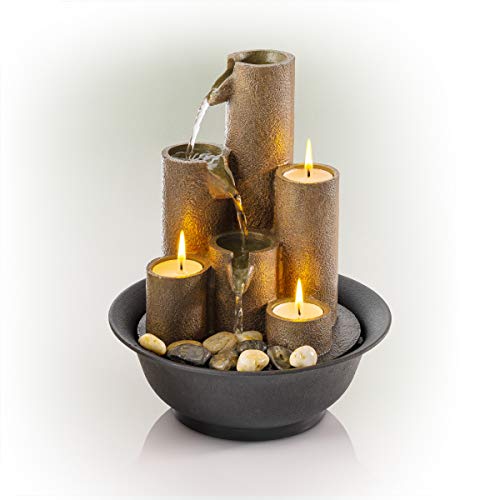
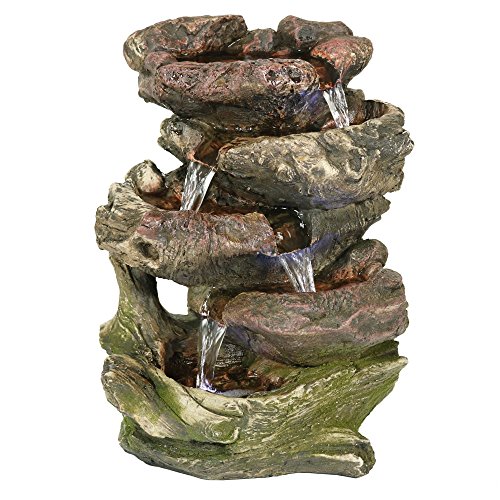
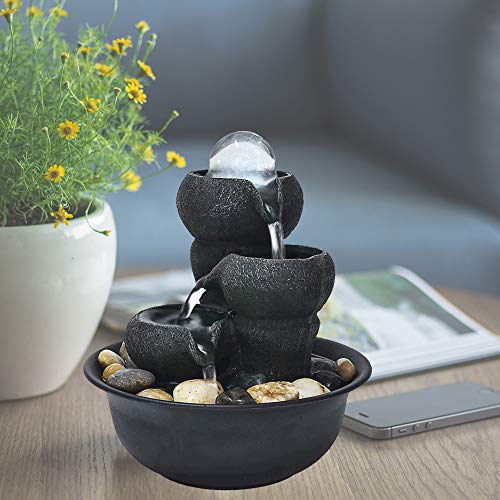
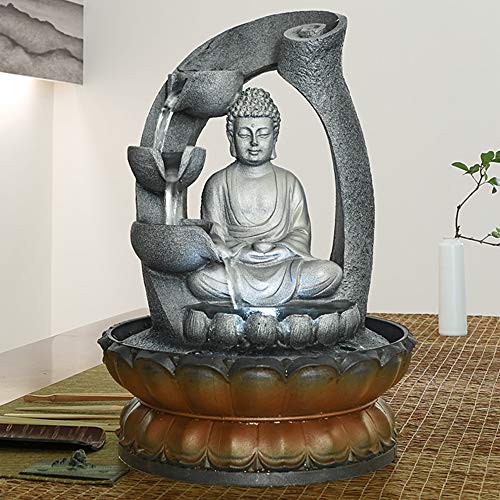
Tabletop fountains are compact decorative water features designed for indoor use. Most are small enough to sit on a desk, side table, or bookshelf, circulating water through a small pump to create gentle movement and sound.
What problem do they solve?
-
They add a sense of calm to otherwise static spaces
-
They help mask background noise like traffic or electronics
-
They bring a bit of visual interest to minimalist rooms
People are drawn to them because they’re approachable. No plumbing, no installation, no major redesign. Just plug in, add water, and let it run.

2. Pros and cons
Pros
-
Easy to set up and move around
-
Creates soft, ambient water sound
-
Works well in small apartments or offices
-
Generally affordable compared to larger indoor fountains
-
Adds visual warmth without taking much space
Cons
-
Sound quality varies widely by model
-
Small water reservoirs need regular refilling
-
Cheap pumps can become noisy over time
-
Not all designs look as good in person as in photos
-
Limited impact in larger or very noisy rooms
3. Real-world performance and quality
In everyday use, the biggest difference between good and mediocre tabletop water fountains is the pump. When it’s well-made, the sound is smooth and consistent — more like a gentle stream than a dripping tap. Poor pumps tend to hum or rattle, which defeats the whole purpose.
Materials matter too. Resin models are lightweight and affordable but can feel hollow. Ceramic and stone-look fountains usually feel more solid and sit more securely on a surface, which helps with stability and noise control.
One thing many buyers underestimate is maintenance. Even the best indoor tabletop fountains need:
-
Weekly water top-ups
-
Occasional cleaning to prevent mineral buildup
-
Distilled water if you want to avoid residue
Ignore that, and performance drops quickly.
4. Who it’s for
Tabletop fountains make sense if you:
-
Work at a desk and want subtle background sound
-
Live in an apartment and can’t install larger water features
-
Enjoy meditation, reading, or quiet evenings
-
Want a decorative piece that also feels functional
They’re especially popular for home offices, bedrooms, and small living rooms where silence feels a bit too sharp.
5. Who should avoid it
They’re probably not the right fit if:
-
You’re sensitive to repetitive sounds
-
You want something truly silent
-
You dislike regular cleaning tasks
-
You expect strong humidity benefits (they’re minimal)
If your main goal is air quality or moisture, a dedicated humidifier will always do a better job.
6. Why consider buying
Beyond aesthetics, the real benefit is atmosphere. A well-chosen tabletop fountain changes how a space feels without asking much from you day to day.
Practical value shows up in small ways:
-
Softer background noise during calls or reading
-
A visual focal point in plain rooms
-
A sense of routine when turning it on or off
It’s not life-changing, but it’s quietly satisfying when it fits your space.
7. Where to buy for better value
Most people shop for tabletop fountains through:
-
Amazon – widest selection, easy returns, mixed quality
-
Walmart – good pricing on basic designs
-
Brand websites – better specs, higher prices, limited variety
Spending slightly more usually gets you a better pump and sturdier materials. Ultra-cheap models often end up unused after a few months due to noise or leaks. Even on sale, a poorly reviewed fountain isn’t worth it.
8. Frequently asked questions (FAQ)
Do tabletop fountains really help with relaxation?
They can, mainly by providing gentle sound and movement. Research on water features and stress reduction suggests sensory elements like sound and motion contribute to perceived calm, though effects vary by person.
Are indoor tabletop fountains safe to leave on all day?
Most are designed for extended use, but pumps last longer when given breaks and kept clean. Always follow manufacturer specifications.
Do tabletop water features increase humidity?
Only slightly. According to Consumer Reports, the effect is minimal compared to even the smallest humidifiers.
What’s the best material for durability?
Ceramic and stone-look designs tend to last longer and feel more stable than thin resin models.
9. Quick verdict
Tabletop fountains are a small upgrade that works best when expectations are realistic. Choose a well-reviewed model, maintain it properly, and it can quietly improve how a room feels. Expect miracles, and you’ll be disappointed.
10. Final thoughts
Some evenings I switch one on while making coffee or sorting notes, and it’s enough to take the edge off the day. Not essential, not perfect — just a modest, calming presence when the room feels a little too still. For the right person and space, that’s reason enough.