
Stovetop Espresso & Moka Pots Review: Practical Brewing for Strong Coffee at Home

The rain’s been doing its usual London thing this week — on, off, never fully committing — which usually nudges me toward the kitchen for something warm and familiar. Lately, that’s meant dusting off a stovetop espresso maker and slowing down for a few minutes while coffee bubbles away. It’s a small ritual, but one that’s got a lot of people revisiting Stovetop Espresso & Moka Pots lately.
1. Product overview
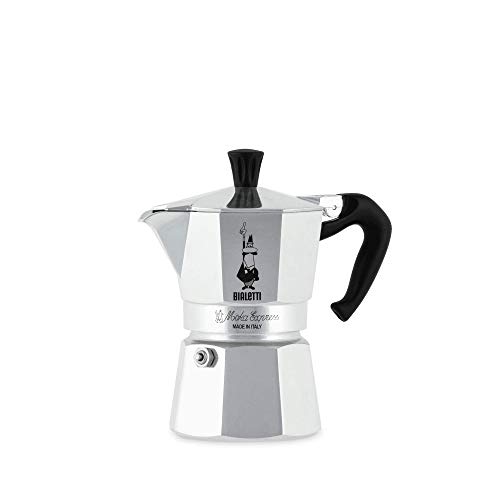
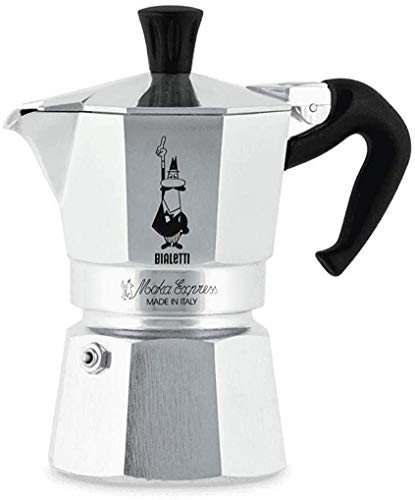
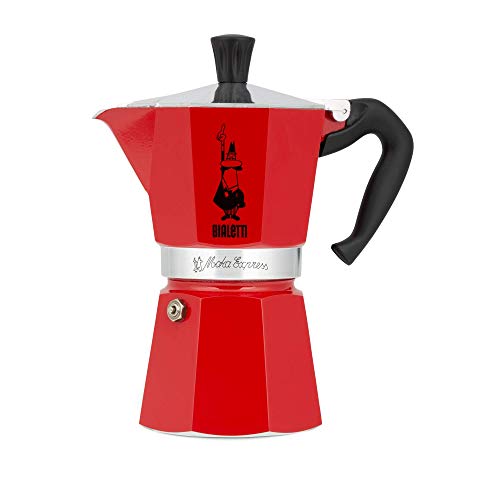
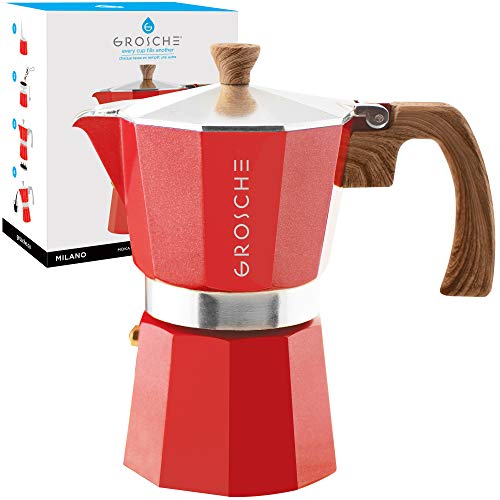
Stovetop Espresso & Moka Pots are compact coffee makers designed to brew strong, concentrated coffee on a gas, electric, or induction hob (with the right base). They sit somewhere between drip coffee and true espresso, producing a bold cup without pumps, pods, or electricity.
They solve a simple problem: how to get rich, café-style coffee at home without spending hundreds on a machine or cluttering your counter. Interest has grown thanks to rising café prices, more people working from home, and a renewed appreciation for slower, hands-on brewing methods.
You’ll see them everywhere from Italian kitchens to minimalist apartments, often passed down or kept for years rather than replaced every season.
2. Pros and cons
Pros
-
Affordable compared to espresso machines
-
No electricity or complex parts
-
Durable when properly cared for
-
Compact and easy to store
-
Produces strong, flavourful coffee
Cons
-
Not true espresso (no crema or pressure)
-
Can taste bitter if brewed incorrectly
-
Requires attention while brewing
-
Not ideal for making multiple cups quickly
3. Real-world performance and quality
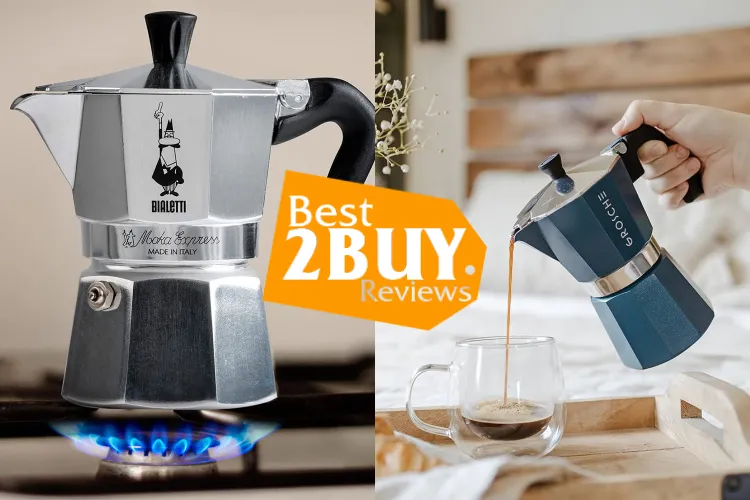
In everyday use, Moka Pots are refreshingly straightforward. Fill the base with water, add coffee to the basket, assemble, and place on the stove. Within a few minutes, you’ll hear the familiar gurgle as coffee rises into the upper chamber.
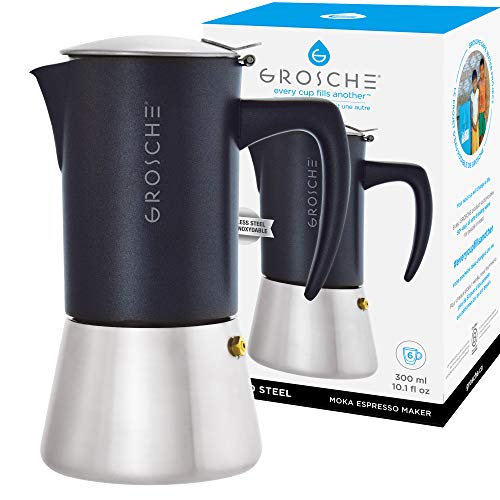
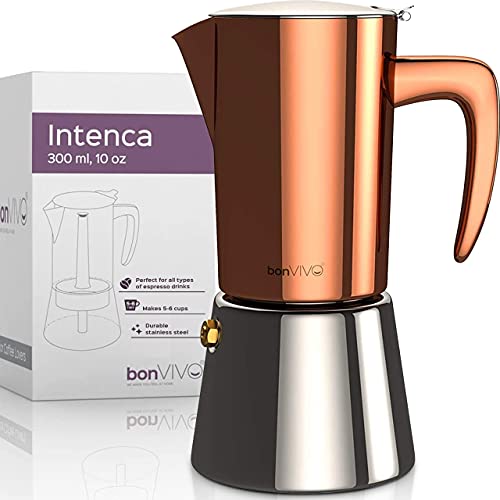
What stands out is consistency. Once you dial in grind size and heat level, the results are reliably bold and aromatic. Aluminium models heat quickly but need gentle handling, while stainless steel versions feel sturdier and work better on induction hobs.
The biggest drawback is margin for error. Too much heat or packing the coffee too tightly can lead to harsh flavours. There’s a learning curve, but it’s short — and for many, that’s part of the appeal.
4. Who it’s for
Stovetop Espresso & Moka Pots suit:
-
Coffee drinkers who enjoy hands-on brewing
-
Small households or solo drinkers
-
Anyone short on counter space
-
Those who prefer strong coffee without gadgets
They work especially well for morning routines where making coffee is a moment, not a rush.
5. Who should avoid it
You may want to look elsewhere if:
-
You expect café-style espresso with crema
-
You often brew coffee for groups
-
You want push-button convenience
-
You dislike monitoring heat and timing
In these cases, pod machines or automatic espresso makers may be a better fit.
6. Why consider buying
Beyond nostalgia, Moka Pots offer practical value. There’s very little that can break, replacement parts are inexpensive, and the cost per cup is low. Compared to capsule systems, they also reduce waste — no pods, no filters.
For many people, it’s about control. You choose the coffee, the grind, the heat, and the pace. That flexibility is hard to replicate at this price point.
7. Where to buy for better value
You’ll typically find the best prices at:
-
Amazon: Wide selection, frequent discounts, easy returns
-
Walmart: Competitive pricing on popular brands
-
Brand websites: Better build quality, clearer specifications
If a model feels unusually cheap, it’s worth checking reviews. Thin metal and poor seals can ruin the experience, even at a discount. A well-made Moka Pot is worth paying slightly more for, as it can last years with basic care.
8. Frequently asked questions (FAQ)
Do Stovetop Espresso & Moka Pots make real espresso?
No. They brew strong coffee, but without the pressure required for true espresso.
Are stainless steel Moka Pots better than aluminium?
Stainless steel versions are more durable and induction-compatible, while aluminium heats faster and is usually lighter.
What grind size works best?
A medium-fine grind, slightly coarser than espresso, helps avoid bitterness and clogging.
How long do Moka Pots last?
With proper cleaning and gasket replacement, many last decades.
Are they safe to use daily?
Yes. According to manufacturer specifications and general food safety guidelines, regular use is safe when maintained correctly.
9. Quick verdict
Stovetop Espresso & Moka Pots aren’t perfect, but they’re honest tools. If you enjoy strong coffee and don’t mind a bit of involvement, they offer excellent value and character.
10. Final thoughts
There’s something grounding about waiting for coffee to brew on the stove, especially on grey mornings. It’s not about chasing perfection — it’s about enjoying a process that’s been working quietly for generations. For the right person, a Moka Pot isn’t just a purchase; it’s a small daily pleasure worth keeping around.