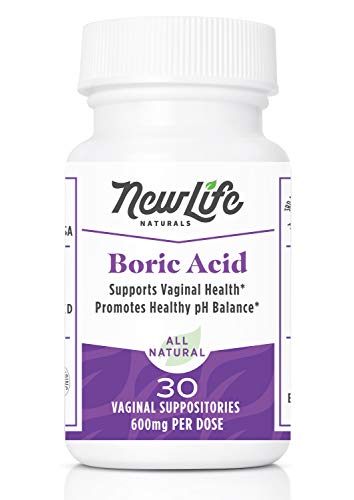

Yeast Infection Treatments That Actually Fit Real Life

Some mornings begin quietly for me, coffee cooling on the counter, a book still open from the night before. And then there are the mornings when discomfort barges in and won’t be ignored. Yeast infections have a way of doing that. They’re common, inconvenient, and not something most of us want to linger on—but choosing the right treatment matters more than people admit.
Product overview
Yeast Infection Treatments cover a range of options meant to relieve itching, burning, and discharge caused by an overgrowth of Candida. Most women will deal with this at least once, often more. The goal is simple: clear the infection without upsetting the body more than necessary.
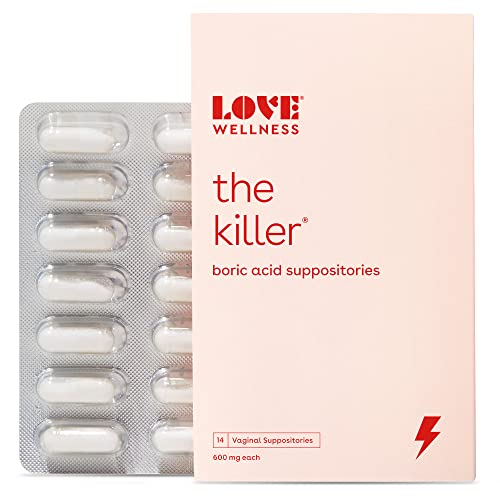
In the U.S. and Europe, treatment usually falls into a few buckets—over-the-counter antifungal creams, prescription oral medication like fluconazole, and some alternative options such as boric acid suppositories. Each solves the same everyday problem, but they don’t work the same way, and they’re not interchangeable for everyone.
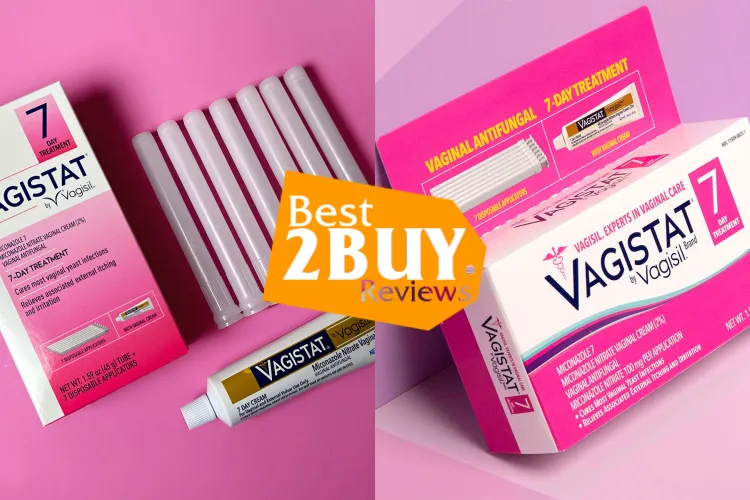
Pros and cons
Pros
-
Widely available OTC treatments at pharmacies and big retailers
-
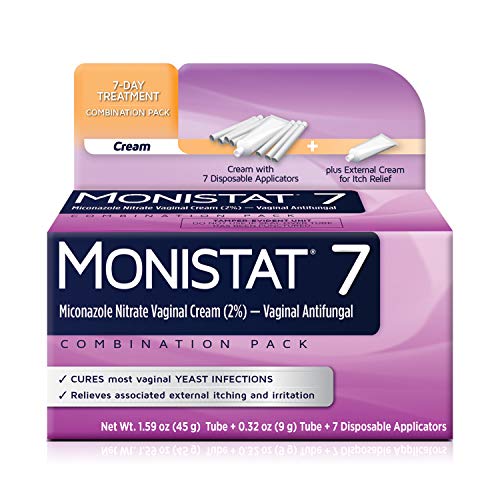
Antifungal creams (like clotrimazole or miconazole) are well-studied
-
Prescription options can work quickly for recurring infections
-
Clear dosing instructions and safety guidelines
Cons
-
Short-course creams can be messy and uncomfortable
-
Oral medication isn’t suitable for everyone
-
Boric acid requires careful use and is not for pregnancy
-
Misdiagnosis is common, leading to wasted time and money
Real-world performance and quality
In day-to-day use, antifungal creams do the job for uncomplicated vaginal yeast infection cases. The 3- or 7-day versions tend to be gentler than the single-dose options, which can feel harsh. That’s something many gynecologists quietly acknowledge.
Oral fluconazole is convenient—one pill, no applicators—but it can take a couple of days to bring relief. Some women notice mild side effects like nausea or headache. Boric acid suppositories get talked about a lot online; in real life, they’re best reserved for stubborn or recurrent infections under medical guidance.
What becomes noticeable over time is how your body responds. If infections keep returning, the issue often isn’t the treatment quality but an underlying trigger—antibiotics, uncontrolled blood sugar, or even constant moisture from workout clothes.
Who it’s for
These treatments make sense for:
-
Women who recognize familiar symptoms and have had yeast infections before
-
Those comfortable using OTC antifungal creams correctly
-
People following a clinician’s advice for recurrent cases
-
Travelers who need accessible, shelf-stable options
Who should avoid it
Some people should pause before self-treating:
-
First-time symptoms without a confirmed diagnosis
-
Pregnant women, especially with boric acid products
-
Anyone with frequent infections (four or more a year)
-
Those with diabetes or immune conditions without medical input
In these cases, a prescription treatment or lab confirmation is usually the better route.
Why consider buying
Yeast Infection Treatments aren’t about convenience alone; they’re about getting back to normal without creating new problems. The practical value lies in choosing the mildest effective option and using it fully. Longer courses often work better than quick fixes, even if they require patience.
At the end of the day, it’s less about price and more about suitability. A $10 cream that actually clears the infection is worth more than repeated half-measures.
Where to buy for better value
Amazon and Walmart both carry reputable OTC brands with consistent pricing and easy availability. On Best2Buy.reviews, readers can click product links that redirect to Amazon for fast, secure checkout—helpful when comfort is a priority.
Official brand websites sometimes offer coupons, but pricing isn’t always better. If a product is deeply discounted yet close to expiration, it’s usually not worth buying, even on sale.
Frequently asked questions (FAQ)
How long do antifungal creams take to work?
Most start relieving symptoms within 24–48 hours, with full treatment lasting 3 to 7 days.
Is oral fluconazole stronger than creams?
It’s different, not stronger. It works systemically and suits some recurrent cases, but isn’t ideal for everyone.
Are probiotics a treatment?
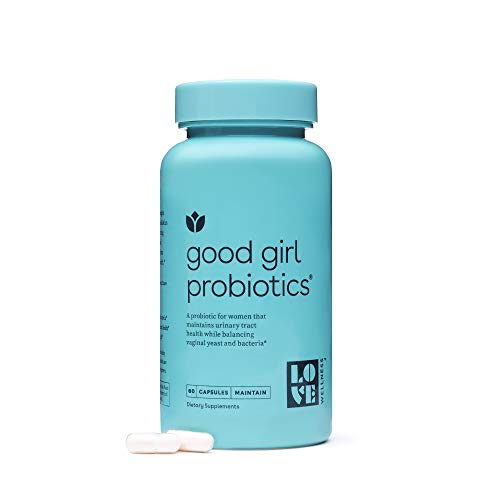
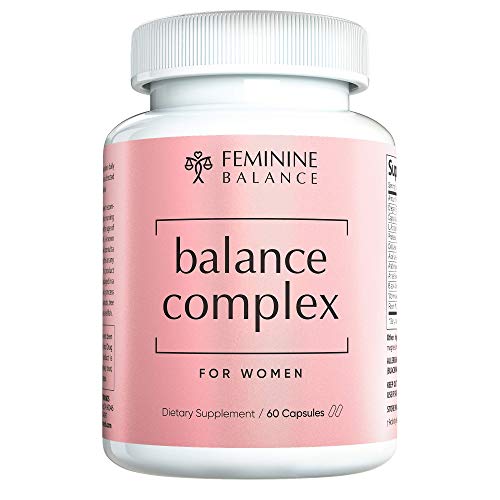
They’re better viewed as support. Evidence for treating active infections is limited, but they may help balance over time.
Can boric acid be used regularly?
Only under guidance. It’s effective for resistant infections but unsafe if misused.
Quick verdict
There’s no single “right” option. Well-chosen antifungal creams remain reliable, prescriptions help recurring cases, and alternatives require caution.
Final thoughts
I’ve learned, both personally and through years of reading clinical guidance, that listening to your body matters as much as reading the box. Comfort, safety, and patience go a long way here.