

Tattoo Kits Review: Pros, Cons, and What Beginners Should Know

The kettle had just clicked off, rain tapping lightly against the window, and I caught myself scrolling through photos of fresh ink ideas instead of the news. Tattooing has quietly moved from niche hobby to something many people are genuinely curious about doing at home, which is where Tattoo Kits keep coming into the conversation.
1. Product overview
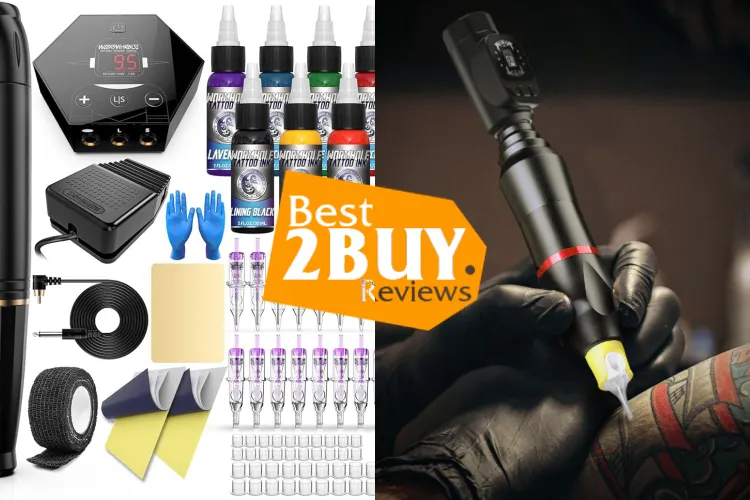
Tattoo kits are all-in-one sets designed to let beginners or casual users practice tattooing without hunting down every individual tool. Most kits include a tattoo machine (or pen), needles or cartridges, ink, power supply, grips, and basic accessories.
The problem they’re trying to solve is simple: getting started can feel overwhelming and expensive if you buy everything separately. People are drawn to tattoo starter kits because they promise convenience, affordability, and a way to test the waters before committing to professional-grade equipment.
Interest has also grown thanks to social media and DIY culture. That said, curiosity doesn’t always equal readiness, and that’s where a clear-eyed look matters.
2. Pros and cons
Pros
-
Convenient way to get all essential tattoo supplies in one box
-
Lower upfront cost compared to buying individual components
-
Useful for learning machine handling and line control
-
Often includes practice skin for safer experimentation
Cons
-
Quality can vary widely between brands
-
Inks in cheaper kits may not meet professional standards
-
Limited durability for long-term or frequent use
-
Not suitable for professional client work in most cases
3. Real-world performance and quality
In practical use, most beginner tattoo kits do what they’re meant to do: they let you practice. Machines in entry-level kits usually handle basic line work and light shading reasonably well, though they can struggle with consistency over longer sessions.
What stands out is accessibility. Being able to unpack a box and start practicing within an hour is appealing. However, the drawbacks become noticeable fairly quickly. Motors can run hot, needles may feel inconsistent, and included inks are often best kept for practice skin only.
Verified facts matter here. The FDA has previously warned that some tattoo inks may contain harmful substances if not properly regulated, which is why many experienced artists replace kit inks immediately with trusted brands (FDA guidance on tattoo inks).
4. Who it’s for
Tattoo kits make sense for:
-
Complete beginners curious about tattooing
-
Artists wanting to practice on synthetic skin
-
Hobbyists experimenting with design and technique
-
People deciding whether tattooing is something they want to pursue seriously
In these scenarios, a starter tattoo kit can be a sensible, low-pressure entry point.
5. Who should avoid it
You should think twice if:
-
You plan to tattoo other people regularly
-
You expect professional-level results out of the box
-
You’re sensitive to equipment quality and long-term reliability
-
You want inks certified for professional studio use
In these cases, buying individual professional tools is usually the smarter route.
6. Why consider buying
Beyond the marketing promises, the real value of tattoo kits lies in learning. They allow you to:
-
Understand how tattoo machines feel in hand
-
Learn needle depth and hand control
-
Practice safely without risking someone’s skin
For many, this trial phase prevents costly mistakes later. According to industry data from Statista, the tattoo equipment market continues to grow, driven largely by beginners and hobbyists exploring the craft before professional training.
7. Where to buy for better value
Most people look to:
-
Amazon for variety, user reviews, and easy returns
-
Walmart for budget-friendly beginner tattoo kits
-
Brand websites for slightly better quality control
Price alone shouldn’t decide it. A very cheap kit isn’t worth buying if replacement parts cost more than the kit itself. Even on sale, some poorly built kits are best skipped altogether.
8. Frequently asked questions (FAQ)
Are tattoo kits safe to use at home?
They’re generally safe for practice on synthetic skin if hygiene instructions are followed. Tattooing human skin carries health risks and requires proper training.
Do tattoo starter kits include everything needed?
Most include basic tattoo equipment, but many users upgrade inks, needles, or power supplies over time.
Can beginners learn proper technique with a tattoo machine kit?
Yes, for fundamentals like hand control and machine handling, but professional instruction is still essential.
Are tattoo inks in kits regulated?
Not always. The FDA monitors tattoo ink safety, but regulations vary, especially for imported products.
9. Quick verdict
Tattoo kits are a practical starting point for learning and experimentation, not a shortcut to professional tattooing. Used with realistic expectations, they can be genuinely helpful.
10. Final thoughts
By the time my tea had gone cold, I’d come to the same conclusion I often do with tools like these: it’s less about the kit and more about how you use it. If you treat a tattoo kit as a learning aid rather than a finished solution, it can earn its place on your desk. Just don’t expect it to replace experience, training, or higher-quality equipment down the line.


