

Sports Nutrition Pea Protein Powders Review: Pros, Cons & Who They’re For

The kettle was just about boiling this morning, rain tapping lightly against the kitchen window, when I realised how routine protein powders have quietly become for a lot of people I know. Not gym fanatics, just regular folks trying to eat a bit better. That’s usually where Sports Nutrition Pea Protein Powders enter the conversation.
1. Product overview
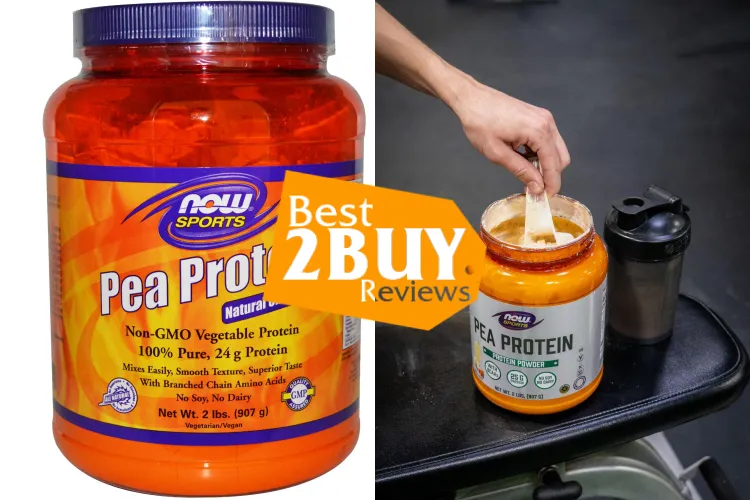
Pea protein powder is exactly what it sounds like: a protein supplement made by extracting protein from yellow split peas. In the sports nutrition world, it’s positioned as a plant-based alternative to whey and other animal-derived proteins.
People tend to look at pea protein powders for a few main reasons:
-
They want to increase daily protein intake without dairy
-
They’re managing lactose intolerance or mild digestive issues
-
They prefer plant-based or vegan nutrition
-
They want something simple for post-workout recovery or meal supplementation
Within sports nutrition, pea protein powders usually aim to support muscle recovery, general strength training, and everyday fitness rather than elite performance alone.
2. Pros and cons
Pros
-
Naturally dairy-free and lactose-free
-
Suitable for vegan and plant-based diets
-
Typically easy to digest compared to some animal proteins
-
Decent amino acid profile for muscle support
-
Often lower in allergens than soy or milk-based powders
Cons
-
Texture can be gritty if not well blended
-
Flavor is more “earthy” than whey or rice protein
-
Methionine content is lower than animal proteins
-
Not always the best option for those chasing maximum muscle gain
-
Some brands rely heavily on sweeteners to mask taste
3. Real-world performance and quality
In everyday use, pea protein powder is fairly straightforward. Most people mix it into smoothies, oats, or just water after workouts. When blended properly, it’s drinkable, though rarely luxurious.
What genuinely stands out is digestibility. Many users who struggle with bloating or discomfort from whey report fewer issues with plant-based protein powders like pea protein. That lines up with research showing pea protein is generally well tolerated by people sensitive to dairy.
On the downside, texture and taste remain the biggest complaints. Even high-quality formulations can feel slightly chalky, especially when mixed with water alone. Flavoring matters a lot here, and unflavored versions are usually better suited for smoothies than quick shakes.
In terms of protein content, most sports nutrition pea protein powders deliver around 20–25 grams of protein per serving, which is solid but not exceptional compared to whey isolates.
4. Who it’s for
Pea protein powder makes the most sense for:
-
People following vegan or vegetarian diets
-
Anyone avoiding dairy for digestive or personal reasons
-
Casual gym-goers focused on general fitness
-
Runners, cyclists, or yoga practitioners needing protein support
-
Those looking for a neutral protein to blend into foods
It works particularly well for people who value consistency and comfort over chasing rapid physique changes.
5. Who should avoid it
Pea protein isn’t ideal for everyone.
You may want to skip it if:
-
You’re focused on maximum muscle hypertrophy
-
You dislike earthy or plant-forward flavors
-
You rely on water-only shakes and dislike texture issues
-
You already consume plenty of plant protein from whole foods
In these cases, whey isolate or blended protein powders might offer better results and satisfaction.
6. Why consider buying
The real benefit of pea protein powder isn’t hype or muscle transformation promises. It’s reliability.
It offers:
-
A steady protein source without digestive drama
-
Flexibility for different diets and lifestyles
-
A cleaner ingredient profile in many formulations
-
Practical support for workouts and daily nutrition
For many people, especially those easing into sports nutrition, that practicality matters more than marginal gains.
7. Where to buy for better value
You’ll find pea protein powders across major retailers:
-
Amazon offers the widest variety, with frequent discounts and user reviews that help spot texture or flavor issues.
-
Walmart often stocks affordable options, though selection can be limited.
-
Brand websites sometimes provide higher-quality formulations and subscription discounts.
Price-wise, pea protein powder typically sits in the mid-range. If it’s heavily discounted but loaded with artificial sweeteners or fillers, it’s usually not worth buying, even on sale. Quality varies more by brand than price tag.
8. Frequently asked questions (FAQ)
Is pea protein powder effective for muscle recovery?
Yes, for general recovery and fitness. While it’s not as leucine-rich as whey, sports nutrition pea protein powders still support muscle repair when consumed consistently.
Does pea protein contain all essential amino acids?
It contains most essential amino acids, but it’s slightly lower in methionine. Many people balance this by eating varied plant proteins throughout the day.
Is pea protein easier to digest than whey?
For many people, yes. Plant-based protein powders like pea protein are often gentler on digestion, especially for those sensitive to dairy.
Can pea protein help with weight management?
It can support satiety and protein intake as part of a balanced diet, but it’s not a weight-loss product on its own.
Are pea protein powders safe for long-term use?
According to available nutrition research, consuming pea protein as part of a balanced diet is considered safe for most healthy adults.
9. Quick verdict
Sports nutrition pea protein powders are a sensible, no-drama option for people who want dependable protein without dairy. They’re not perfect, but they’re practical and generally easy to live with.
10. Final thoughts
I’ve reviewed enough supplements to know that the best ones rarely shout the loudest. Pea protein powder sits quietly in that category. It won’t change your life overnight, but for many people, it makes daily nutrition simpler and more comfortable.
If your goals lean toward steady fitness rather than extremes, it’s worth considering. Sometimes the most useful choices are the ones you don’t have to think too hard about.
— Christopher Wilson


