

Contact Lens Care: Choosing the Right Solution for Daily Comfort

Some mornings start quietly for me, a cup of coffee cooling beside an open book, before the day pulls me along. On those mornings, small routines matter more than we admit. If you wear contacts, you already know this: how your eyes feel at 7 a.m. can set the tone for everything that follows. That’s where contact lens care becomes less of a chore and more of a daily kindness to yourself.
Product overview
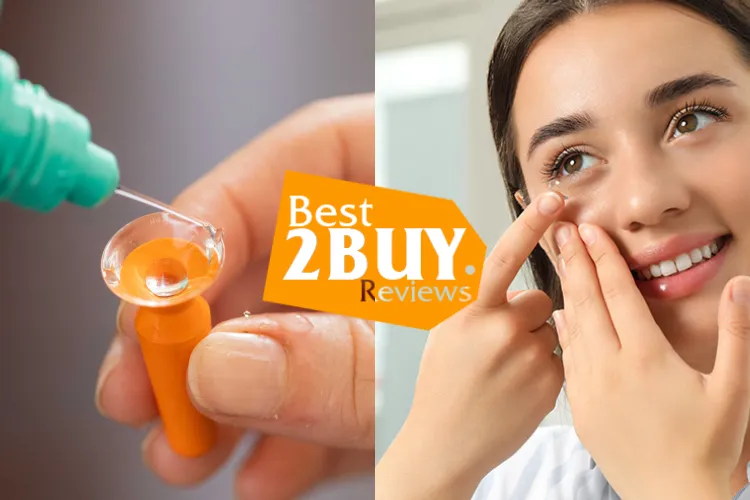
Contact lens care solutions are sterile liquids designed to clean, disinfect, rinse, and store contact lenses. At a basic level, they help remove protein buildup, debris, and microorganisms that collect on lenses during daily wear. More importantly, they keep lenses moist so they sit comfortably on the eye instead of feeling dry or scratchy by midafternoon.
Most people care about contact lens care because poor maintenance doesn’t just feel uncomfortable—it can lead to irritation, dryness, or even eye infections. According to the FDA, improper lens hygiene is one of the most common risk factors for eye complications. That’s not meant to scare anyone, just to be clear about why these solutions matter beyond convenience.
Pros and cons
Pros
-
Helps maintain lens moisture and comfort throughout the day
-
Reduces protein and debris buildup with consistent use
-
Supports eye health by lowering infection risk
-
Widely available in multipurpose and saline-only options
-
Easy to incorporate into a daily routine
Cons
-
Not all solutions work well for sensitive eyes
-
Preservatives can cause irritation for some users
-
Multipurpose solutions may not clean as deeply as peroxide-based systems
-
Ongoing cost adds up over time
-
Requires discipline—skipping steps shows up quickly
Real-world performance and quality
In everyday use, the quality of a contact lens solution shows up gradually, not dramatically. Over a few weeks, you notice whether your eyes stay comfortable into the evening or if dryness creeps in earlier than it should. Good solutions tend to keep lenses clear and flexible, without that stiff feeling that makes you want to rub your eyes (something eye doctors strongly advise against).
From my own experience and from long-term user feedback, multipurpose solutions are convenient and “do the job” for most people. They’re straightforward: clean, rinse, store, repeat. Hydrogen peroxide systems often clean more thoroughly, but they demand attention and patience. Forgetting a neutralization step can sting—literally. Quality isn’t just about how well a solution cleans, but how realistically it fits into your life.
Who it’s for
Contact lens care solutions make sense for:
-
Daily or monthly contact lens wearers who value comfort
-
People with busy schedules who need reliable, low-effort care
-
Travelers who need consistent lens hygiene away from home
-
Users following eye doctor recommendations for specific lens types
If you’re someone who appreciates simple routines that quietly work in the background, a solid lens solution earns its place on the bathroom shelf.
Who should avoid it
Some people should be more cautious or consider alternatives:
-
Those with chronic dry eye or known preservative sensitivities
-
Users who frequently forget cleaning steps
-
Anyone wearing specialty lenses that require unique care systems
In these cases, preservative-free saline solutions or peroxide-based systems may be better, but only with proper guidance from an eye care professional. Skipping advice here isn’t worth the risk.
Why consider buying
The real value of contact lens care isn’t flashy. It’s practical. A dependable solution extends the usable life of your lenses, keeps your eyes feeling normal instead of strained, and reduces the chance of problems that send you back to the optometrist sooner than planned. At the end of the day, it’s about trade-offs: convenience versus sensitivity, cost versus comfort, simplicity versus thoroughness.
Where to buy for better value
In the U.S. and Europe, contact lens solutions are easy to find:
-
Amazon often has competitive pricing and multipacks. On Best2Buy.reviews, readers can click product links that redirect to Amazon for fast, secure checkout. It’s convenient, especially if you already rely on home delivery.
-
Walmart is a solid option for in-store pickup and store-brand alternatives that can save money.
-
Official brand websites sometimes offer rebates or subscriptions, though prices are usually higher unless there’s a promotion.
If a solution irritates your eyes, it’s not worth buying again—even on sale. Comfort always costs less than dealing with eye problems later.
Frequently asked questions (FAQ)
How often should I replace contact lens solution?
Fresh solution should be used every time you store lenses. Reusing or topping off old liquid increases infection risk, according to the FDA.
Is saline solution enough for contact lens care?
Saline solutions rinse and moisten lenses but do not disinfect. They’re best used alongside proper cleaning systems when recommended by an eye doctor.
Can contact lens care solutions expire?
Yes. Expired solutions can lose effectiveness and may harbor bacteria. Always check the date on the bottle.
Are generic store brands safe?
Many are FDA-regulated and safe for general use, but comfort and tolerance vary. Your mileage may vary.
Quick verdict
Contact lens care solutions are a quiet essential. When chosen carefully and used consistently, they support comfort, eye health, and long-term lens performance without much fuss.
Final thoughts
I’ve learned, over years of routines and small adjustments, that taking care of your eyes is one of those habits that pays you back daily. Contact lens care isn’t glamorous, but it’s steady, practical, and worth doing right. Thank you for spending some of your time here with me. I hope the rest of your week feels clear, comfortable, and unhurried. More reviews will be coming soon.


