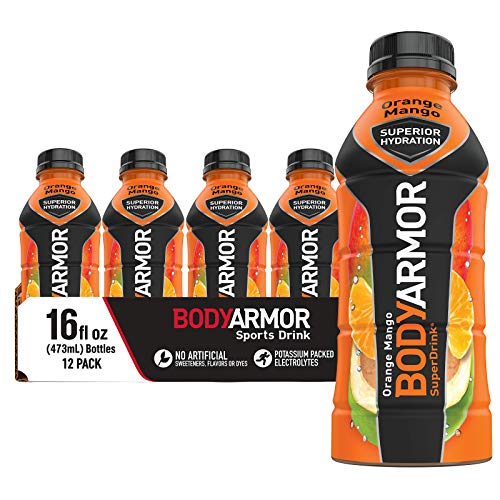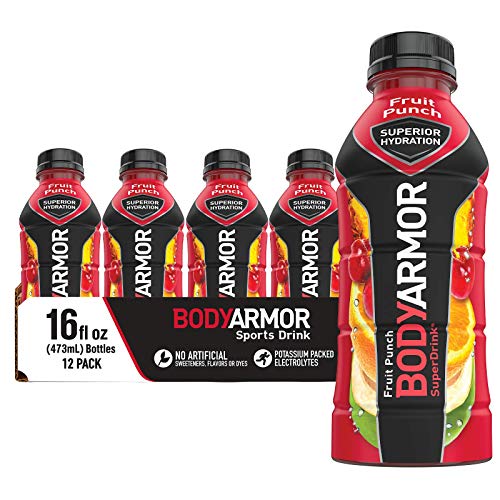

Sports Drinks Review: When They Help, When They Don’t, and Who Actually Needs Them

The other morning, standing in my kitchen while the kettle took its time, I realised how often people reach for something colourful and cold after a workout without really thinking about what’s inside. Sports Drinks have become almost automatic for many of us — gym bag, car boot, office fridge — so it’s worth slowing down and looking at what they actually offer.
1. Product overview
Sports Drinks are beverages designed to help replenish fluids, electrolytes, and sometimes carbohydrates lost through sweating during physical activity. They’re typically aimed at people exercising for longer periods or at higher intensity, where plain water may not fully replace what the body loses.
Interest in them has grown because they promise quicker hydration, better endurance, and reduced fatigue. For runners, cyclists, gym-goers, and team sports players, that sounds appealing — especially during long sessions or warm weather.

2. Pros and cons
Pros
-
Help replace electrolytes like sodium and potassium lost through sweat
-
Convenient and easy to consume during or after exercise
-
Often improve fluid intake thanks to flavour
-
Useful for long-duration or high-intensity training
Cons
-
Many contain added sugars that aren’t necessary for short workouts
-
Not always suitable for casual exercise or daily hydration
-
Can be more expensive than water without added benefit
-
Some formulas rely more on marketing than meaningful nutrition
3. Real-world performance and quality
In real use, Sports Drinks do what they’re meant to — they make it easier to keep drinking during prolonged activity. The combination of mild sweetness and salt encourages people to sip more regularly, which genuinely helps hydration during endurance exercise.
Where they fall short is everyday use. For a 30–40 minute gym session or a light jog, the extra sugar and calories often add nothing. Quality also varies widely between brands. Some stick close to evidence-based electrolyte ratios, while others lean heavily on flavourings and colour.
According to the Mayo Clinic, water is sufficient for most workouts under an hour, with sports beverages becoming more relevant during longer or more intense sessions .
4. Who it’s for
Sports Drinks make the most sense for:
-
Endurance athletes training longer than 60 minutes
-
Team sport players with repeated high-intensity efforts
-
People exercising heavily in hot or humid conditions
-
Those who struggle to drink enough plain water during workouts
In these scenarios, the electrolyte balance and carbohydrates can genuinely support performance and recovery.
5. Who should avoid it
They’re not ideal for:
-
Casual walkers or light gym users
-
Anyone managing sugar intake or calorie control
-
Daily hydration outside of exercise
-
Children or teens during normal activities
If your workouts are short and moderate, water — or water with a pinch of salt — often does the job just as well.
6. Why consider buying
The real benefit of Sports Drinks isn’t magic performance boosts, but practicality. They help some people stay hydrated when fatigue sets in, especially during long sessions. For endurance training, that consistency can matter more than any headline claim.
The key is using them intentionally, not habitually.
7. Where to buy for better value
You’ll find Sports Drinks widely available:
-
Amazon offers variety packs and subscription savings, though prices add up over time
-
Walmart often has the best per-bottle pricing for mainstream brands
-
Brand websites sometimes offer cleaner formulas but at a premium
They’re rarely worth buying in bulk unless you train regularly at endurance levels. Even on sale, they’re poor value for casual use compared to water or diluted electrolyte powders.
8. Frequently asked questions (FAQ)
Are Sports Drinks better than water?
For long or intense exercise, yes. For most daily workouts, no.
Do electrolyte drinks contain a lot of sugar?
Many do. Checking labels matters, especially if you exercise under an hour.
Can Sports Drinks help prevent cramps?
They may help when cramps are linked to electrolyte loss, but evidence is mixed. Hydration overall is more important.
Are low-sugar sports hydration drinks effective?
Yes, especially for hydration-focused needs without extra calories.
Can I drink them every day?
They’re not designed for daily casual consumption and offer little benefit outside exercise.
9. Quick verdict
Sports Drinks have a place — just a smaller one than marketing suggests. They’re useful tools for endurance and heat-heavy training, not everyday hydration.
10. Final thoughts
I still keep a bottle around for long runs or summer cycling days, but most of the time, water wins. Like most things in fitness, Sports Drinks work best when used with a bit of intention and restraint. Once you match them to the right situation, they make sense — and outside of that, they’re easy to skip.