Stereo Jack Cables Review: What Really Matters Before You Buy

The rain’s been doing its usual thing outside my London window, and while making coffee this morning I realised how often small, overlooked accessories quietly hold our daily tech together. Stereo Jack Cables fall squarely into that category. You only really think about them when one starts crackling, cutting out, or simply refusing to work.
1. Product overview
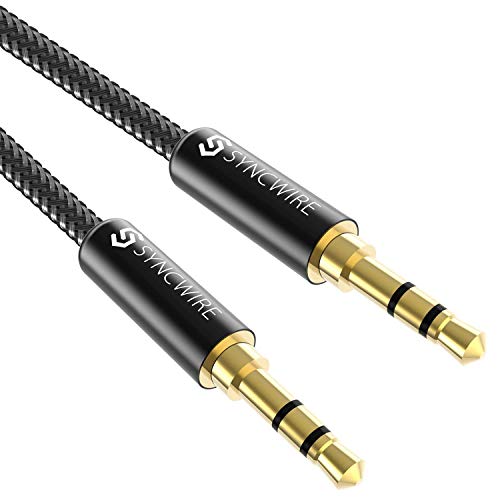
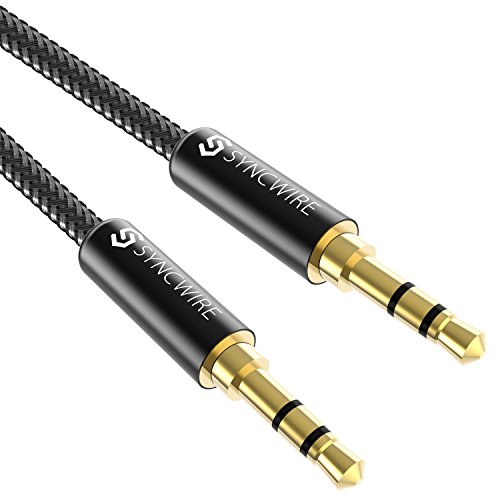
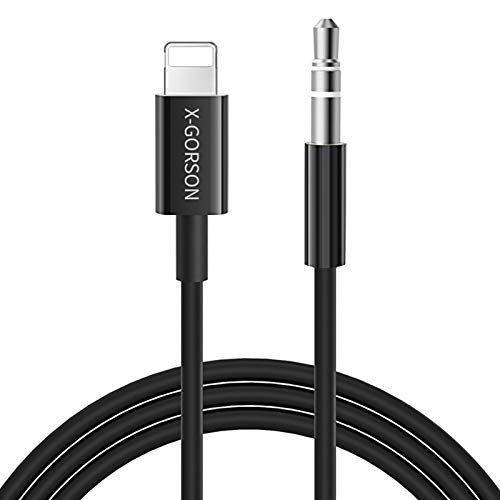
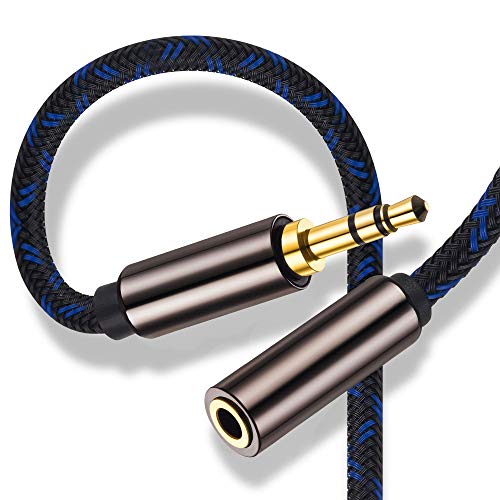
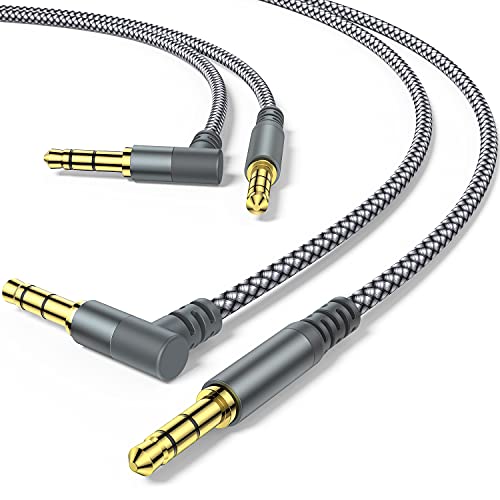
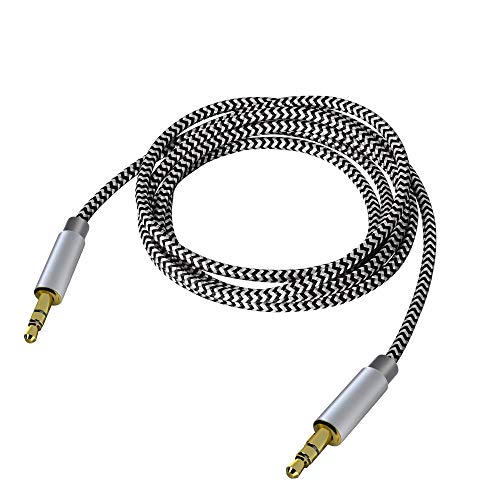
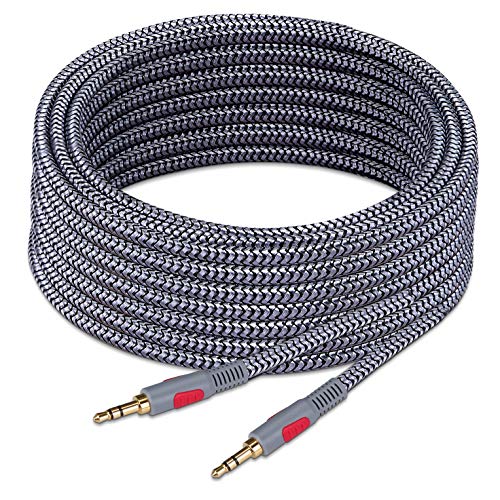
Stereo Jack Cables are simple audio connectors designed to carry sound from one device to another — think phones, laptops, speakers, car stereos, headphones, and audio interfaces. Most commonly, they’re the familiar 3.5mm aux cables, though 6.35mm (¼-inch) versions are still common in studio and hi-fi setups.
They solve a basic but important problem: delivering clean, stable audio without relying on Bluetooth or wireless connections. People are still interested in them because wired audio remains more reliable, has no latency, and doesn’t depend on batteries or signal strength.
Despite how basic they look, not all stereo audio cables are created equal — and that’s where buying decisions start to matter.
2. Pros and cons
Pros
-
Simple, plug-and-play audio connection
-
No latency compared to wireless audio
-
Works across a wide range of devices
-
Generally affordable and easy to replace
-
No charging or pairing required
Cons
-
Cable quality varies widely between brands
-
Cheap models can crackle or fail quickly
-
Not ideal for devices without headphone jacks
-
Can be prone to wear at the connector ends
3. Real-world performance and quality
In everyday use, a well-made stereo jack cable should disappear into the background — no noise, no dropouts, no fiddling to get both channels working. The biggest difference between good and bad options usually comes down to build quality.
Cables with proper shielding tend to handle interference better, especially around laptops, monitors, or car dashboards. Thicker insulation and reinforced connectors reduce the chance of internal wire breaks, which is the most common failure point.
On the downside, even mid-priced cables can stiffen over time, particularly if left coiled tightly or used outdoors. Gold-plated connectors don’t magically improve sound, but they do help resist corrosion, which matters if you’re plugging and unplugging frequently.
4. Who it’s for
Stereo jack cables make the most sense for:
-
Anyone using wired headphones or external speakers
-
Car owners relying on aux input for music or podcasts
-
Home office setups connecting laptops to speakers
-
Musicians and hobbyists using basic audio gear
-
People who prefer reliability over wireless convenience
If you value consistent audio without interruptions, a decent cable still earns its place.
5. Who should avoid it
You may want to look elsewhere if:
-
Your devices no longer support headphone jacks
-
You rely heavily on modern wireless earbuds
-
You need long cable runs for professional setups
-
You expect heavy daily bending or mobile use
In those cases, USB-C audio adapters, Bluetooth receivers, or balanced audio cables may be better options.
6. Why consider buying
The real value of stereo jack cables isn’t flashy sound upgrades — it’s dependability. A solid cable delivers stable audio day after day, works instantly, and doesn’t become obsolete when apps update or batteries degrade.
For everyday listening, calls, or casual recording, they remain one of the most cost-effective audio accessories around. When chosen carefully, they often outlast far more expensive wireless alternatives.
7. Where to buy for better value
-
Amazon: Wide selection, easy returns, and plenty of user feedback — useful for spotting durability issues.
-
Walmart: Convenient pricing and in-store availability, though the range can be limited.
-
Brand websites: Often better specs and warranty details, but prices can be higher.
Ultra-cheap bundles are rarely worth it, even on sale. If a cable costs less than a cup of coffee, it usually shows within weeks.
8. Frequently asked questions (FAQ)
Do stereo jack cables affect sound quality?
A properly built cable won’t change the sound itself, but poor shielding or loose connectors can introduce noise or channel imbalance.
What’s the difference between aux cables and stereo jack cables?
They’re essentially the same thing. “Aux” is just a common name for 3.5mm stereo audio cables.
Are gold-plated connectors necessary?
Not essential, but they can improve long-term durability and resist corrosion, especially in humid environments.
Can I use long stereo audio cables without signal loss?
For normal home use, yes. Extremely long runs may introduce noise, especially without proper shielding.
9. Quick verdict
Stereo Jack Cables remain a practical, reliable solution for wired audio. Choose solid construction over flashy claims, and they’ll quietly do their job without fuss.
10. Final thoughts
Some tech trends come and go, but wired audio has a way of sticking around. When everything else feels a bit overcomplicated, there’s something reassuring about plugging in a cable and knowing it’ll just work. I keep a couple of decent ones in a drawer — and more often than not, they end up saving the day.
— Christopher Wilson, Best2Buy.reviews