How to Choose the Smart Glasses

The rain’s been tapping on the window of a small café in Brooklyn this morning, the kind of slow, steady drizzle that makes you linger over a second coffee. I’ve got Coltrane playing softly through my headphones, my bag half-packed for a short trip upstate, and a pair of Smart Glasses sitting on the table next to my notebook — looking a lot more like regular Ray-Bans than a piece of tech. That’s usually a good sign.
- 1. What you get & what it’s for
- 2. Real-world performance
- 3. Quality, design & durability
- 4. Comparison with similar products
- 5. Pros and cons
- 6. Who it’s best for
- 7. Who should skip it
- 8. Is it worth the money?
- 9. Where to buy it (with value in mind)
- 10. Frequently Asked Questions (FAQ)
- 11. Quick verdict
- 12. Final thoughts
What you get & what it’s for
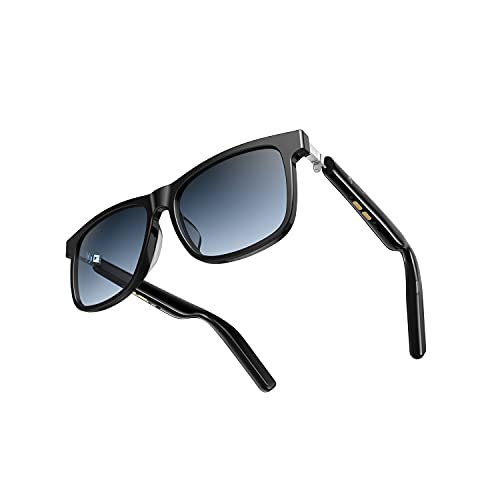
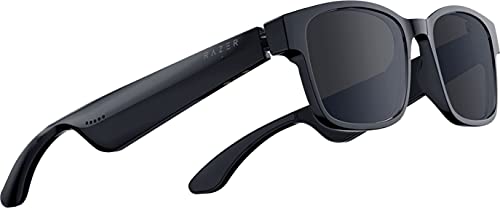
Smart Glasses are, at their core, regular-looking glasses with a bit of tech baked in. In this case, I’ve been using the Ray-Ban Meta Smart Glasses — a collaboration that tries to make wearable tech feel less… wearable-techy.
They’re designed to solve a pretty simple problem: staying connected without pulling your phone out every five minutes. You get hands-free calls, music, voice control, and a small camera for quick photos and short videos. No full augmented reality overlays here — these aren’t sci-fi goggles.
They’re best for people who like convenience, travel light, and want subtle tech that blends into daily life. Right now, that matters because most of us are tired of juggling phones, earbuds, and watches just to do basic things.
Real-world performance
Day to day, these Smart Glasses are surprisingly easy to live with. Setup takes about ten minutes through the Meta app, and after that, they mostly stay out of the way — which is exactly what you want.
Audio quality is decent for open-ear Bluetooth glasses. You won’t get deep bass, but for podcasts, calls, and background music while walking the city, it does the job. Call quality is solid, even outdoors, and people on the other end rarely notice I’m not using my phone.
The camera is the most polarizing part. In good light, photos and short clips are perfectly usable for social media or quick memories. In low light, results drop fast. Battery life improves once you get into a routine — about a full day of mixed use, plus extra juice from the charging case.
Quality, design & durability
Ray-Ban’s influence shows. The frames feel like normal glasses, not fragile gadgets. Hinges are sturdy, materials feel premium, and they don’t scream “tech.”
They’ve survived backpacks, plane overhead bins, and being tossed on café tables without issue. The only real weak spot is that they’re not meant for rough outdoor sports or heavy rain. Fine for travel, commuting, and daily wear — not for mountain biking.
Comparison with similar products
I’ve tried other smart eyewear and camera glasses, including Snap Spectacles and a couple of lesser-known wearable tech options.
Compared to those:
-
Ray-Ban Meta Smart Glasses look the most normal
-
Audio quality beats most camera glasses
-
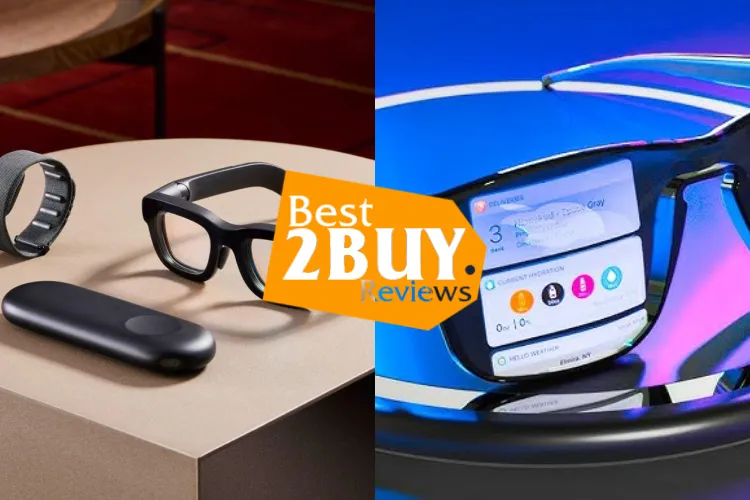
No true augmented reality features, unlike some experimental AR glasses
-
Better app support and updates than cheaper alternatives
If you want full AR, these aren’t it. If you want something you’ll actually wear, they make more sense than most.
Pros and cons
✔️ Pros
-
Normal-looking Ray-Ban design
-
Easy hands-free calls and music
-
Comfortable for long wear
-
Simple camera for quick moments
-
Solid build quality
❌ Cons
-
Camera struggles in low light
-
No display or true AR features
-
Pricey for what’s essentially convenience tech
-
Limited use for sports or rugged travel
Who it’s best for
These Smart Glasses fit well into:
-
Travelers who like capturing moments without a phone
-
City commuters who take lots of calls
-
Minimalists who want fewer devices
-
Anyone curious about AI glasses without going all-in on AR
Who should skip it
You should pass if:
-
You want augmented reality overlays or navigation in your vision
-
Camera quality is a top priority
-
You already dislike wearing glasses
-
You need all-day battery for heavy recording
In those cases, a phone or action camera makes more sense.
Is it worth the money?
They’re not cheap, and value depends on how much you’ll actually use the hands-free features. At full price, they’re worth it for frequent travelers and commuters. On sale, they’re a much easier recommendation. If you’ll only use them occasionally, the cost is harder to justify.
Where to buy it (with value in mind)
Amazon usually offers the most reliable pricing, fast delivery, and easy returns. Walmart sometimes matches prices but has less consistent stock. Buying direct from the brand gives you official support, but sales are rarer.
Best2Buy.reviews product links go to Amazon for secure checkout, which keeps things simple and return-friendly.
Frequently Asked Questions (FAQ)
Do Smart Glasses work without a phone?
They need a phone for setup and syncing, but basic functions like music playback can work once connected.
Are Ray-Ban smart glasses good for calls?
Yes. For Bluetooth glasses, call quality is one of their stronger points.
Do these count as augmented reality glasses?
No. These are not AR glasses — there’s no visual display.
Can you listen to music privately?
Sound is directional but not silent. In quiet spaces, others nearby may hear faint audio.
Are smart eyewear devices safe for daily use?
They meet standard consumer electronics safety guidelines according to the manufacturer.
Quick verdict
Smart Glasses like the Ray-Ban Meta model are about convenience, not transformation. They’re well-made, easy to wear, and genuinely useful — as long as you know their limits.
Final thoughts
As I zip up my bag and step back into the drizzle, these glasses end up where good travel gear should be — quietly useful, not demanding attention. They won’t replace your phone, and they’re not the future of AR. But for everyday life, moving between places, playlists, and quick moments, they fit in better than most tech I’ve tried.
More reviews coming soon — from wherever the next coffee happens to be.
— Samuel