

Changing Pad Covers for Daily Use: What Actually Matters

There’s a quiet moment most mornings when the house hasn’t fully woken up yet. Coffee’s brewing, the light is soft, and you’re changing a baby who’s very awake and very opinionated about it. That’s usually when small details show themselves. Fabrics feel different. Seams matter. And the things we thought were “good enough” sometimes aren’t. Changing pad covers fall squarely into that category.
Product overview
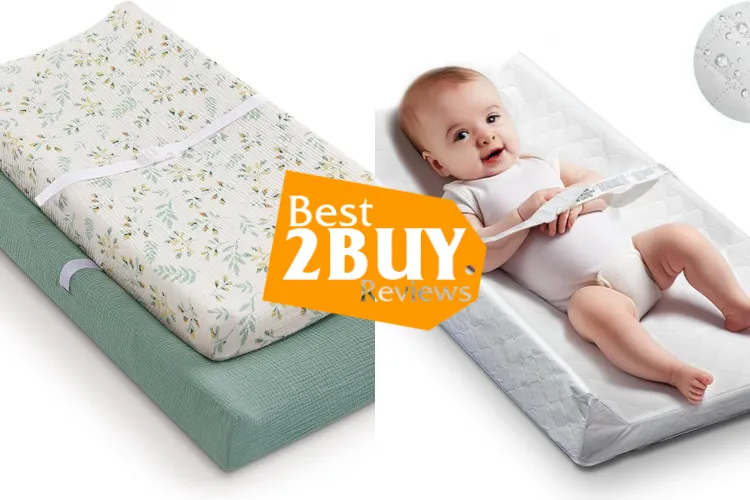
Changing pad covers are fitted fabric covers designed to go over standard baby changing pads. Their job is simple: protect the pad, keep the surface comfortable for the baby, and make cleanup easier for parents. Most are elasticized, removable, and machine washable.
People care about them more than they expect because this is one of the most-used surfaces in a nursery or bathroom. It’s not a once-in-a-while item. It’s multiple times a day, sometimes half-asleep, sometimes rushed. A good cover doesn’t call attention to itself. It just does the job.
Common materials include cotton, organic cotton, bamboo blends, and polyester knits. Sizes are usually meant to fit standard pads around 16 x 32 inches, though “standard” can be looser than it sounds.
Pros and cons
Pros
-
Adds softness and warmth compared to bare vinyl pads
-
Helps protect the pad from stains and wear
-
Easy to remove and wash
-
Available in neutral or simple patterns that don’t overwhelm a space
-
Affordable compared to replacing a whole pad
Cons
-
Fit can be inconsistent across brands and pad shapes
-
Thinner fabrics may pill or stretch over time
-
Some materials hold stains more than expected
-
Elastic can loosen after repeated washing
-
Decorative options don’t always equal practical quality
Real-world performance and quality
In daily use, what stands out most is fabric quality and fit. Thicker cotton or bamboo-blend covers tend to feel better over time. They stay softer after many washes and don’t develop that thin, tired feel as quickly. Polyester blends dry fast, which is helpful, but they can feel slick or less breathable.
Elastic matters more than people realize. A snug fit keeps the cover from shifting during changes, which is both a comfort and safety issue. Loose corners are distracting at best and frustrating at worst.
From personal experience and long-term user feedback, most changing pad covers last about a year of regular use before showing wear—assuming you rotate at least two or three. That’s normal. This isn’t heirloom-quality fabric. It’s a workhorse.
Who it’s for
Changing pad covers make sense for:
-
Parents who use a changing pad several times a day
-
Anyone wanting a softer surface for newborn skin
-
Families who prefer washable layers instead of wiping vinyl constantly
-
Nurseries or shared bathrooms where appearance matters a little
-
People who like having backups for laundry days
They’re especially helpful during the first year, when changes are frequent and messes are unpredictable.
Who should avoid it
You might want to skip them if:
-
You rarely use a changing pad and prefer disposable liners
-
Your changing area is temporary or travel-only
-
You dislike doing extra laundry
-
Your pad has an unusual shape that standard covers don’t fit
In those cases, waterproof changing liners or wipeable pads can be more practical and less fussy.
Why consider buying
The real value of changing pad covers isn’t style. It’s comfort and convenience. They create a more forgiving surface, reduce cleanup time, and extend the life of the pad underneath.
They’re not expensive, but they’re not throwaway either. Spending a little more on better fabric and stitching usually pays off over months of use. Cheap covers tend to lose shape quickly, which defeats the purpose.
At the end of the day, this is about smoothing out a small but frequent part of daily life.
Where to buy for better value
Amazon offers the widest selection and often the best availability. On Best2Buy.reviews, readers can click product links that redirect to Amazon for fast, secure checkout, which is convenient when you’re already juggling enough.
Walmart is solid for budget-friendly options and in-store pickup, though selection can be limited depending on location.
Official brand websites sometimes offer higher-quality or organic options, but prices are often higher and shipping slower. Unless you’re looking for a very specific material or certification, they’re not always worth it.
If a cover feels flimsy out of the package, even at a discount, it’s usually not worth buying. Laundry is hard enough on good fabric.
Frequently asked questions (FAQ)
How many changing pad covers do you actually need?
Most families find that two or three covers are enough to rotate through laundry comfortably.
Do changing pad covers fit all pads?
No. While many claim to fit “standard” sizes, pad thickness and contouring can affect fit. Measuring before buying helps.
Are organic or bamboo covers better?
They can be softer and more breathable, which some parents prefer. Durability depends more on weave and stitching than material alone.
Do covers reduce safety compared to bare pads?
As long as the cover fits snugly and doesn’t bunch, they’re generally safe. Always follow pad manufacturer guidelines.
Quick verdict
Changing pad covers are a small upgrade that makes daily routines easier. Not essential for everyone, but genuinely helpful for many.
Final thoughts
I’ve learned over the years that it’s the quiet, repetitive moments that shape our days the most. Changing pad covers live in that space. They’re not exciting, but they can make things gentler and simpler, which counts for a lot.


