
Zippers: What Holds Up and What Quietly Fails

Some mornings start slowly in my house. Coffee cooling on the counter, a book left open from the night before, and a jacket tossed over a chair because the zipper caught again. It’s a small thing, but those small things add up. Over the years, zippers have taught me more about patience and quality than I ever expected.
Product overview
Zippers are one of those everyday components we barely notice—until they stop working. You’ll find them in jackets, jeans, luggage, backpacks, boots, and even bedding. Their job is simple: open and close smoothly, stay aligned, and hold up to repeated use. People care about zippers because when they fail, the whole product often becomes frustrating or unusable, even if the rest of it is still in good shape.
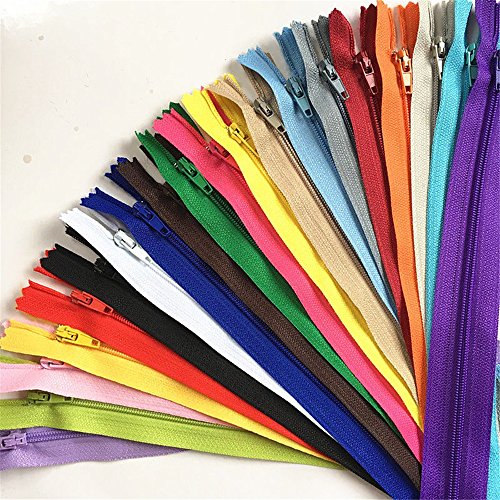
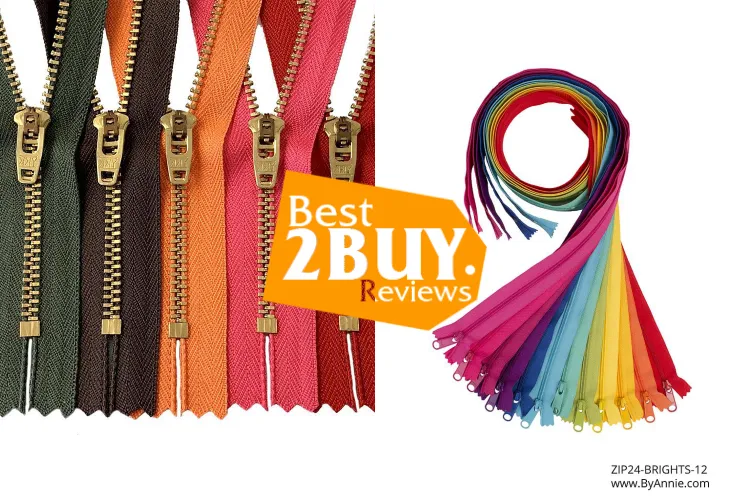
From a technical standpoint, most zippers fall into three main types: coil, plastic molded, and metal. Each solves a slightly different everyday problem, whether it’s flexibility, strength, or resistance to wear.
Pros and cons
Pros
-
Simple mechanism that’s easy to use and repair in many cases
-
Available in different strengths for clothing, bags, and heavy-duty gear
-
Replacement parts are widely sold and inexpensive
-
Good-quality versions can last years with daily use
Cons
-
Low-quality zippers fail early, even if the product itself is well-made
-
Sliders wear out faster than teeth, which surprises many people
-
Metal zippers can feel cold, stiff, or heavy on clothing
-
Repairs aren’t always worth it on cheaper items
Real-world performance and quality
In daily life, zipper performance comes down to smoothness and alignment. Coil zippers, often used in lightweight jackets and backpacks, feel flexible and quiet. They’re comfortable, especially when you’re sitting or bending, but they can split under strain if poorly made.
Plastic molded zippers are common in outdoor gear and kids’ clothing. They handle moisture better and don’t corrode, which matters in rainy climates or beach towns. Metal zippers, my personal favorite on denim and leather, feel sturdy and reassuring. They age visibly, though—scratches and dullness show up over time.
Consumer Reports has noted that zipper failure is one of the top reasons people replace otherwise functional clothing and luggage, usually due to slider wear rather than broken teeth. That tracks with what tailors often say as well.
Who it’s for
Quality zippers make sense for:
-
People who wear the same jackets, jeans, or bags for years
-
Travelers who rely on luggage zippers that won’t burst mid-trip
-
Parents buying clothing that needs to survive constant washing
-
Anyone who prefers repairing over replacing
If you value durability over trendiness, you’ll notice the difference quickly.
Who should avoid it
Spending extra on premium zippers may not be worth it if:
-
The item itself is disposable or rarely used
-
Fashion turnover matters more than longevity
-
The zipper is decorative rather than functional
In those cases, a basic zipper does the job, and paying more won’t change the outcome much.
Why consider buying
A good zipper extends the life of whatever it’s attached to. That’s the real value. Instead of tossing a coat because it won’t close, a reliable zipper keeps it in rotation year after year. From a practical standpoint, it’s a small upgrade with long-term payoff, especially on items you touch daily.
According to manufacturer specifications from brands like YKK, higher-grade zippers are tested for tens of thousands of open-close cycles. That kind of testing shows up in real life, not just on paper.
Where to buy for better value
Amazon offers the widest selection, especially if you’re looking for replacement zippers or specific sizes. On Best2Buy.reviews, readers can click product links that redirect to Amazon for fast, secure checkout, which is convenient when you already know what you want.
Walmart tends to carry basic zipper kits and ready-made clothing with standard components. Prices are reasonable, but selection is limited. Official brand websites often charge more, though you’re more likely to get authentic, higher-grade parts. To be fair, if a zipper costs more than the item it’s meant to fix, it’s probably not worth buying—even on sale.
Frequently asked questions (FAQ)
How long should a zipper last?
With normal use, a well-made zipper can last several years. Heavy-duty versions may last decades if cared for properly.
Can a zipper be repaired instead of replaced?
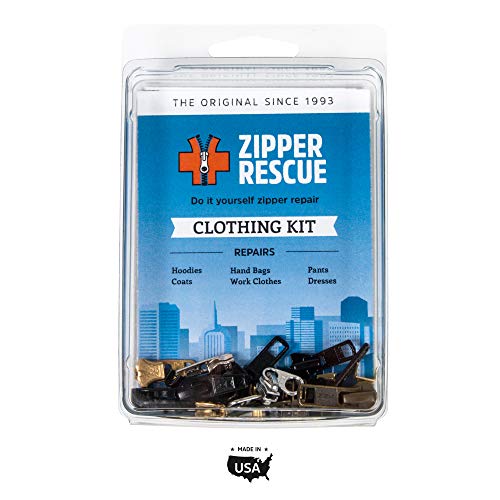
Often yes. Replacing the slider fixes many issues, according to professional tailors and clothing repair guides.
Are metal zippers stronger than plastic ones?
Not always. Strength depends on construction quality. Some plastic molded zippers outperform cheap metal versions.
Do zippers wear out from washing?
Frequent washing can shorten lifespan, especially if zippers aren’t closed before laundering. Harvard Health has noted that friction during washing contributes to clothing wear overall.
Quick verdict
Zippers aren’t glamorous, but they matter. A solid one quietly does its job for years, while a weak one turns daily routines into small annoyances.
Final thoughts
I’ve learned to check zippers the way some people check stitching or fabric weight. It’s a habit that saves money and a little bit of frustration down the road. Thank you for spending this time with me here. I hope your jackets zip smoothly, your bags stay closed, and your week ahead feels steady and unhurried. More reviews will be coming soon.