
Construction Paper for Crafts, School, and Home Projects

Some mornings I sit at the kitchen table with a cup of coffee, a book open nearby, and a small stack of paper left over from a weekend project. It’s nothing fancy—just construction paper—but it reminds me how often simple materials end up doing real work in our homes.
Product overview
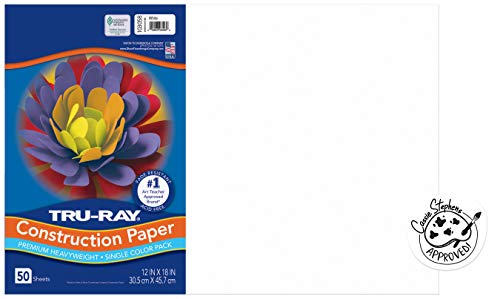
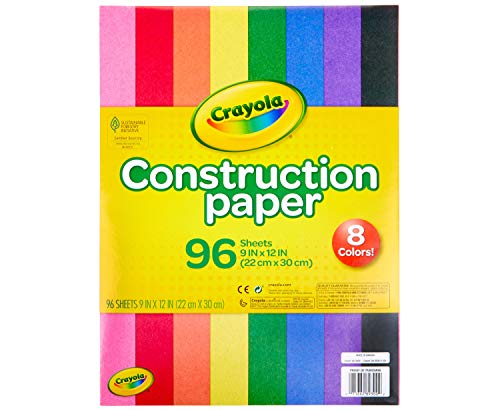
Construction Paper is a thick, slightly textured colored paper used for crafts, school assignments, posters, and simple creative projects. It solves a basic problem: people need paper that’s sturdier than printer sheets but still easy to cut, fold, and glue.
Parents care because it survives backpacks and classroom tables. Teachers care because it’s forgiving with scissors and glue. At home, it’s the paper that turns into birthday cards, last-minute signs, and quiet afternoon art sessions.
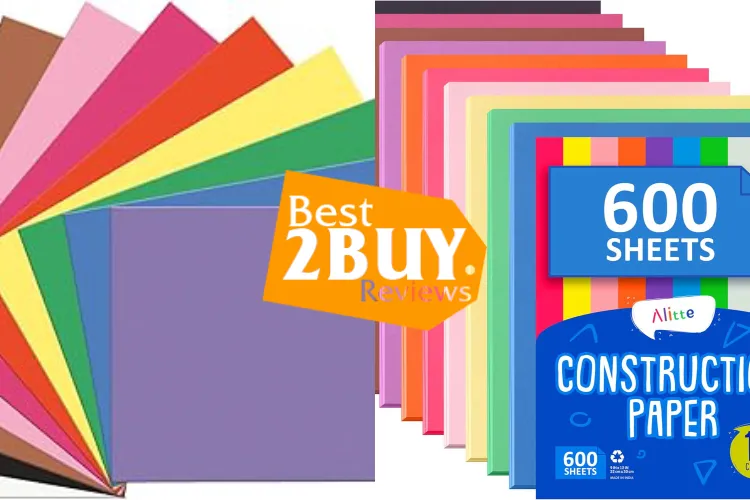
Most packs are made from dyed paper pulp, typically around 50–65 lb weight, and come in assorted colors. Brands vary, but the purpose stays the same—practical, affordable, and easy to use.
Pros and cons
Pros
-
Thicker than standard printer paper, so it holds shape better
-
Cuts cleanly with basic scissors
-
Widely available in assorted color packs
-
Affordable for bulk use in schools and homes
-
Works well with glue sticks, tape, and crayons
Cons
-
Colors can fade over time, especially in sunlight
-
Not acid-free, so it’s not ideal for keepsakes
-
Can tear if folded repeatedly
-
Heavier packs take up storage space
-
Ink markers may bleed through thinner sheets
Real-world performance and quality
In daily use, construction paper does what it’s meant to do. It handles cutting, folding, and light gluing without fuss. Over time, you start to notice differences between brands—some colors feel denser, others fuzz a bit at the edges after cutting.
Humidity matters. Here in Texas, paper stored in a garage curls faster than paper kept indoors. It’s also worth noting that darker colors sometimes shed dye if hands are damp. Not a deal-breaker, but something I’ve learned to watch for during longer projects.
For schoolwork and casual crafts, the durability is fine. For anything meant to last years, it falls short—and that’s okay, as long as expectations are realistic.
Who it’s for
Construction paper makes sense for:
-
Parents with kids doing regular school or art projects
-
Teachers needing bulk paper that’s easy to manage
-
Caregivers planning simple crafts or activities
-
Anyone making temporary signs, posters, or decorations
-
Homes that value practical supplies over specialty materials
It’s especially useful when projects are frequent and materials need to be replaced without much thought.
Who should avoid it
This paper isn’t ideal for:
-
Scrapbooking or archival projects
-
Professional art pieces meant for display
-
Ink-heavy marker or watercolor work
-
Long-term memory projects like baby books
If longevity matters, cardstock or acid-free art paper is a better choice, even if it costs more.
Why consider buying
The value of construction paper isn’t in perfection—it’s in reliability. It’s predictable, forgiving, and inexpensive enough that mistakes don’t feel costly. Over time, that matters.
For everyday creativity, classroom needs, and household projects, it offers a reasonable balance between sturdiness and flexibility. You’re trading long-term durability for ease and affordability, and for many households, that trade-off makes sense.
Where to buy for better value
-
Amazon offers the widest selection and bulk packs. On Best2Buy.reviews, product links redirect to Amazon for fast, secure checkout, which is convenient when restocking basics.
-
Walmart is often competitive on price for standard packs and easy to grab in-store.
-
Official brand websites (like Crayola) sometimes provide detailed specs, but prices are usually higher unless there’s a promotion.
If a pack is priced unusually high, it’s rarely worth it—even on sale. This is one category where reasonable pricing matters more than branding.
Frequently asked questions (FAQ)
Is construction paper recyclable?
Most standard construction paper is recyclable, but heavily glued or painted sheets may not be accepted by local programs.
What size does it usually come in?
The most common size is 9 x 12 inches, though larger sheets are available for posters and classroom use.
Does construction paper fade over time?
Yes. According to manufacturer specifications, most dyed paper will fade with prolonged light exposure.
Is it safe for kids?
Reputable brands meet U.S. safety standards for children’s art supplies, but it’s always good to check labeling.
Quick verdict
Construction paper is practical, affordable, and easy to use. It’s not meant to last forever, but it does its job well for everyday projects.
Final thoughts
I’ve used construction paper for years—school assignments, quick notes, and quiet afternoons when creativity feels better than scrolling. It’s one of those supplies that doesn’t ask for much and rarely disappoints when used as intended.