

How to Choose Hair Straighteners Without Regret

It’s one of those cool, slightly drizzly London mornings where the sky can’t decide whether to brighten up or stay grey. I watched a woman on the train earlier carefully smoothing out a section of her hair with a travel tool, doing her best with the little mirror on her phone. It made me think about how essential straighteners have become for many people — not as a luxury, but as a practical way to manage frizz, texture, or chaotic mornings.
- 1. 1. Product overview
- 2. 2. Pros and cons
- 3. 3. Real-world performance and quality
- 3.1. What stands out
- 3.2. Noticeable drawbacks
- 4. 4. Who it’s for
- 5. 5. Who should avoid it
- 6. 6. Why consider buying
- 7. 7. Where to buy for better value
- 8. 8. Frequently asked questions (FAQ)
- 9. 9. Quick verdict
- 10. 10. Final thoughts
1. Product overview
Straighteners are heated styling tools built to smooth, straighten, or lightly shape hair using two heated plates — usually ceramic, titanium, or tourmaline. They work by applying consistent heat and pressure to the hair strand, helping it look sleeker and more controlled.
What problem they solve
-
Taming frizz and flyaways
-
Straightening naturally wavy or curly hair
-
Creating a polished look quickly
-
Offering a more affordable alternative to frequent salon visits
Why people are drawn to them
In both the US and Europe, the demand for at‑home styling tools has increased. According to Statista, the hair tool market remains strong thanks to a rise in DIY grooming and work‑from‑home routines where people still want to look put‑together on camera.
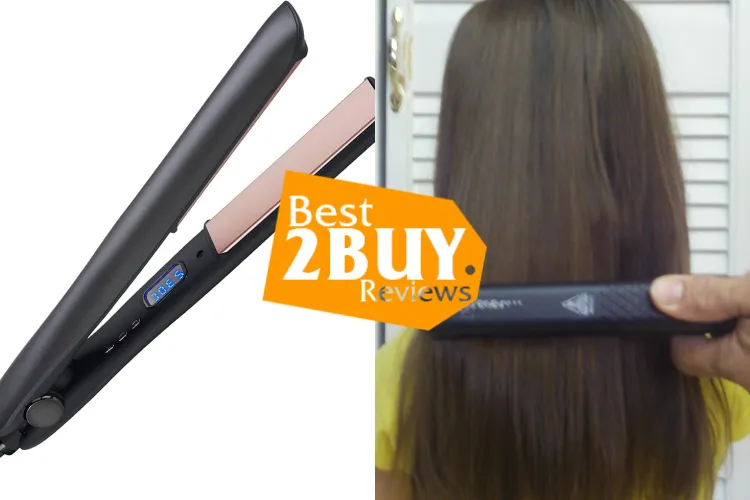
2. Pros and cons
Pros
-
Quick, predictable styling once you know your settings
-
Works on a wide range of hair types
-
Many models can also curl or add bends
-
Helpful for managing frizz in humid or dry climates
-
Good long-term value if used regularly
Cons
-
Risk of heat damage with frequent high‑temperature use
-
Cheaper models often have inconsistent temperature control
-
Heavier straighteners can be uncomfortable over long styling sessions
-
Requires careful handling when hot
3. Real-world performance and quality
In daily use, the things that genuinely matter are the quality of the plates, temperature stability, and overall comfort.
What stands out
-
Ceramic plates heat evenly and are typically more forgiving.
-
Titanium plates heat rapidly and are efficient for thick or coarse hair, though they require a bit more care.
-
Models with adjustable heat settings reduce unnecessary exposure to high temperatures.
Consumer Reports highlights that temperature consistency is the biggest factor in reducing heat‑related damage, more so than plate material alone.
Noticeable drawbacks
-
Higher heat isn’t always better. It’s easy to overdry hair, especially fine or color‑treated strands.
-
Some straighteners take a long time to cool down, which isn’t ideal if you’re rushing.
-
Budget models may snag hair if the plates aren’t aligned well.
Personal observation: In my own household, the difference between a good and bad straightener is clear — the better ones glide smoothly and require fewer passes, which matters for hair health.
4. Who it’s for
Straighteners are a strong fit for:
-
Women who deal with frizz or uneven texture
-
Anyone wanting quick, polished styling during busy mornings
-
People who prefer controlled, sleek looks over air‑dried shapes
-
Those who need a versatile tool that can straighten and curl lightly
They're especially practical before work, travel, or special events.
5. Who should avoid it
You might want to skip straighteners if:
-
Your hair is extremely fine, brittle, or heavily processed
-
You prefer heat‑free styling for health or convenience reasons
-
You seldom style your hair and don’t want another device on your shelf
-
You struggle with tools that require careful handling and heat awareness
In these situations, blow‑dry brushes, gentle hot air stylers, or heatless methods may be better.
6. Why consider buying
Beyond the usual marketing claims, straighteners offer real, grounded benefits:
-
Consistency: Once you find the right temperature, results are repeatable.
-
Time-saving: Most users can smooth their hair in under 10 minutes.
-
Versatility: They work for straightening, curling ends, shaping bangs, and creating soft waves.
The FDA notes that modern styling tools must meet basic safety standards, including thermal regulation and electrical safety features. Auto shut‑off is one feature that’s especially helpful for peace of mind.
7. Where to buy for better value
Popular buying options in the US and Europe include:
-
Amazon: Great for comparing models and reading user feedback
-
Walmart / Target: Solid mid‑range tools and reliable return policies
-
Brand websites (e.g., Dyson, GHD): Clearer specs, longer warranties, premium prices
-
Beauty retailers: Often run seasonal promotions, though prices vary
When not to buy — even on sale
-
No adjustable temperature
-
No auto shut‑off
-
Extremely thin plates that don’t heat evenly
-
Noticeably poor build quality or unclear specifications
If a deal feels “too cheap,” it often means compromising on safety or durability.
8. Frequently asked questions (FAQ)
Do straighteners damage hair?
Heat can cause damage if used frequently at high temperatures, but using lower settings and heat protectants helps reduce risk.
What plate type is best for everyday styling?
Ceramic is generally the safest and most consistent option. Titanium suits thicker or coarser hair.
How hot should a straightener be?
For fine hair: around 300°F (150°C).
For medium or thick hair: 325–375°F (160–190°C).
Avoid going higher unless absolutely necessary.
Can straighteners be used to curl hair?
Yes — many people use them to create soft waves or curled ends, especially with slimmer plates.
Are expensive straighteners worth it?
Not always. Pay attention to temperature regulation, build quality, and user reviews rather than price alone.
9. Quick verdict
A well‑made straightener is a practical, time‑saving tool for anyone who styles their hair regularly and wants predictable results. It’s not essential for everyone, but for many women, it’s a genuinely useful everyday device — provided it’s used with care and reasonable heat settings.
10. Final thoughts
As the London clouds clear just a bit, I’m reminded that good tools don’t need to be flashy — just reliable. Straighteners fall into that category. They do their job, they simplify the morning routine, and when chosen wisely, they last.
If you're considering one, choose based on how you actually LIVE, not on the promises on the box.
— Christopher Wilson


