Steam Mops Review: Pros, Cons, and What to Know Before Buying

The kettle was taking its time this morning, rain tapping gently against the window, and I found myself staring at the kitchen floor thinking it probably deserved a bit more attention than it’s been getting lately. That’s usually when people start looking at Steam Mops — not out of excitement, but out of a quiet wish to make cleaning a little less annoying.
1. Product overview
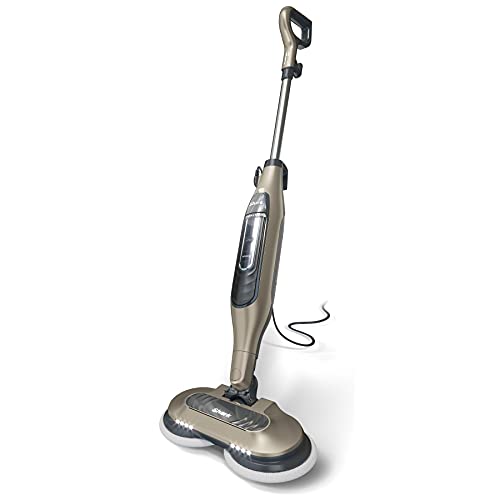
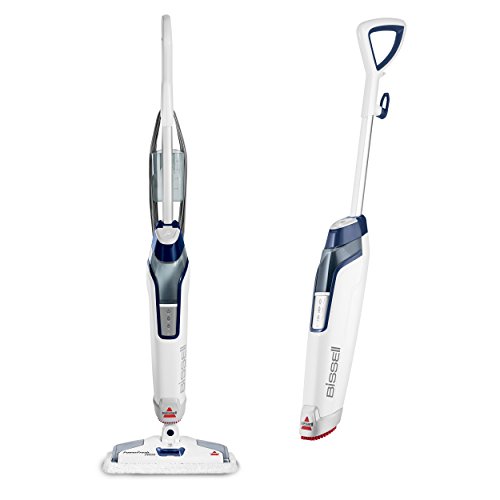
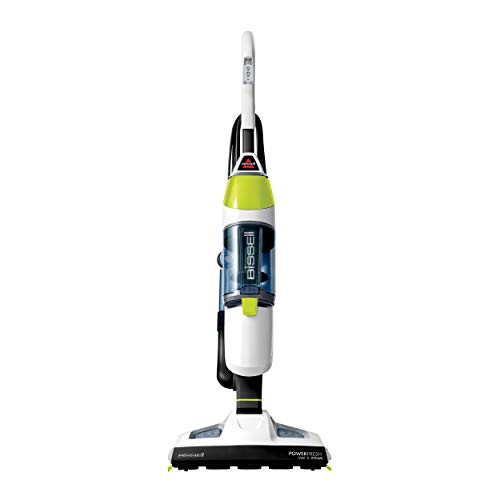
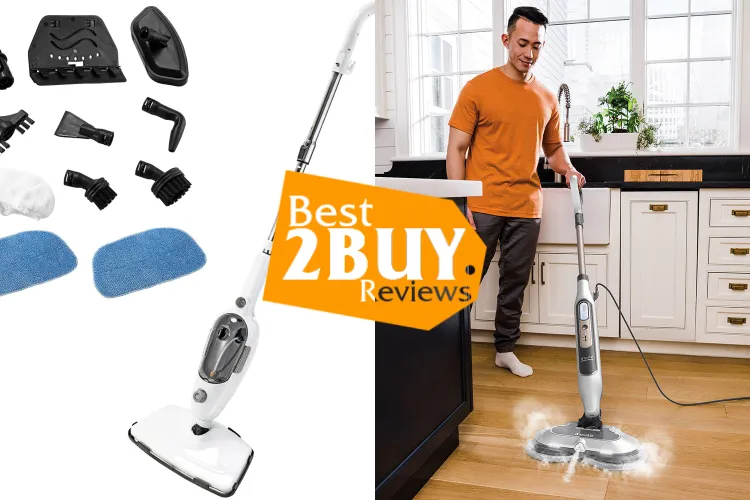
Steam mops are electric floor cleaners that use heated water to produce steam, loosening dirt and grime without relying on traditional chemical cleaners. Most are designed for sealed hard floors like tile, laminate, vinyl, and sealed hardwood.
The problem they aim to solve is pretty straightforward: regular mopping can feel messy, time-consuming, and never quite as hygienic as we’d like. Buckets get dirty fast, floors take ages to dry, and cleaning products can leave residue behind.
People are interested in steam mops because they promise a simpler routine — plug in, fill with water, and clean using heat instead of chemicals. For households with kids, pets, or allergy concerns, that idea alone is often enough to spark curiosity.
2. Pros and cons
Pros
-
Uses heat instead of harsh chemicals
-
Generally effective at loosening stuck-on dirt
-
Faster drying time compared to traditional mops
-
Many models are lightweight and easy to store
-
Washable mop pads reduce ongoing costs
Cons
-
Not suitable for unsealed or delicate wood floors
-
Struggles with heavy grease or old stains
-
Smaller water tanks mean frequent refills
-
Corded designs can limit movement
-
Build quality varies a lot by brand and price
3. Real-world performance and quality
In everyday use, steam mops do a solid job on routine messes. Dust, light spills, dried footprints — these are where they shine. The heat helps soften grime so you’re not scrubbing as hard as you might with a regular mop.
What genuinely stands out is convenience. Most models heat up in under a minute, and the floors are usually dry within moments. That’s a real advantage in busy homes or apartments where you don’t want to wait around.
The drawbacks become noticeable with tougher jobs. Burnt-on kitchen grease or deeply set stains often need multiple passes or some manual effort beforehand. Lower-priced models can also feel a bit flimsy, especially around the handle joints and water caps.
From a quality perspective, mid-range steam mops tend to offer the best balance. Entry-level models work, but they don’t always last. Premium versions add features like adjustable steam settings or detachable handheld units, though not everyone needs those extras.
4. Who it’s for
Steam mops make sense for:
-
Homes with mostly hard, sealed flooring
-
Families wanting to reduce chemical cleaners
-
Pet owners dealing with muddy paw prints
-
Apartments where quick drying matters
-
Anyone who dislikes hauling buckets around
They work particularly well for regular maintenance rather than deep restoration cleaning.
5. Who should avoid it
You may want to skip a steam mop if:
-
Your floors are unsealed hardwood or waxed
-
You expect it to replace deep scrubbing entirely
-
You prefer cordless cleaners and hate managing cables
-
You rarely mop and want something ultra-powerful for occasional heavy-duty cleaning
In those cases, a traditional mop, a spray mop, or even a hard floor vacuum might be a better fit.
6. Why consider buying
Beyond the marketing claims, the real benefit is consistency. Steam mops make it easier to clean more often, and that alone keeps floors in better shape over time.
There’s also practical value in the reduced need for cleaning solutions. According to Harvard Health, minimizing chemical exposure at home can be beneficial, especially for people with respiratory sensitivities. Steam cleaning relies on heat, which aligns well with that advice.
It’s not magic, but it does simplify a chore most of us already dislike.
7. Where to buy for better value
Amazon typically offers the widest selection and the most user reviews, which helps when comparing reliability. Walmart often competes well on price for mainstream brands, especially during seasonal sales. Buying directly from the manufacturer can make sense if extended warranties or replacement pads are included.
That said, it’s not always worth buying just because it’s on sale. Very cheap steam mops often have weak steam output or poor durability. Even at a discount, they can end up costing more in replacements and frustration.
Spending a little more upfront for a well-reviewed model usually pays off over time.
8. Frequently asked questions (FAQ)
Do steam mops really sanitize floors?
Steam can reduce bacteria on sealed hard floors when used correctly. Consumer Reports notes that high-temperature steam is effective for routine sanitizing, though it doesn’t replace professional disinfection.
Are steam mops safe for laminate flooring?
Most manufacturers say yes, as long as the laminate is sealed and you don’t leave the mop in one spot for too long.
How often should mop pads be replaced?
Washable pads can last months with regular washing. Replace them when they stop absorbing water or start leaving streaks.
Can steam mops remove pet odors?
They help with surface odors, especially from dried messes, but deep-set smells may still require targeted cleaners.
9. Quick verdict
Steam mops aren’t a miracle solution, but they’re a practical upgrade from traditional mopping for everyday cleaning. If your floors are compatible and your expectations are realistic, they can make life a bit easier.
10. Final thoughts
As the rain eased off and the kettle finally clicked, I realised cleaning doesn’t have to be perfect to be good enough. Steam mops fit neatly into that mindset — not flashy, not flawless, but genuinely helpful when chosen carefully. Sometimes that’s all you really need.